Start Growing a Fall Harvest This Week
Sow carrots, beets, or radishes into a grow bag filled with potting mix this month and you’ll be enjoying sweeter-than-summer roots this autumn—no garden bed required.
The month after the summer solstice is the month to start your fall carrots, and you don’t need a large garden to do it. A deep grow bag on a balcony, porch, patio, or sunny stretch of driveway is all the real estate required to try it out. Sow now, while the rest of the garden is busy with tomatoes, and the seeds you tuck in this week will mature into crisp roots through the fall months before winter.
But first, make sure you also regularly ‘harvest’ empowering information from Sustainable Practice’s library by joining our community!
Join Sustainable Practice
Expand your positive impact on Earth by becoming a sustainable practitioner today! www.sustainablepractice.life
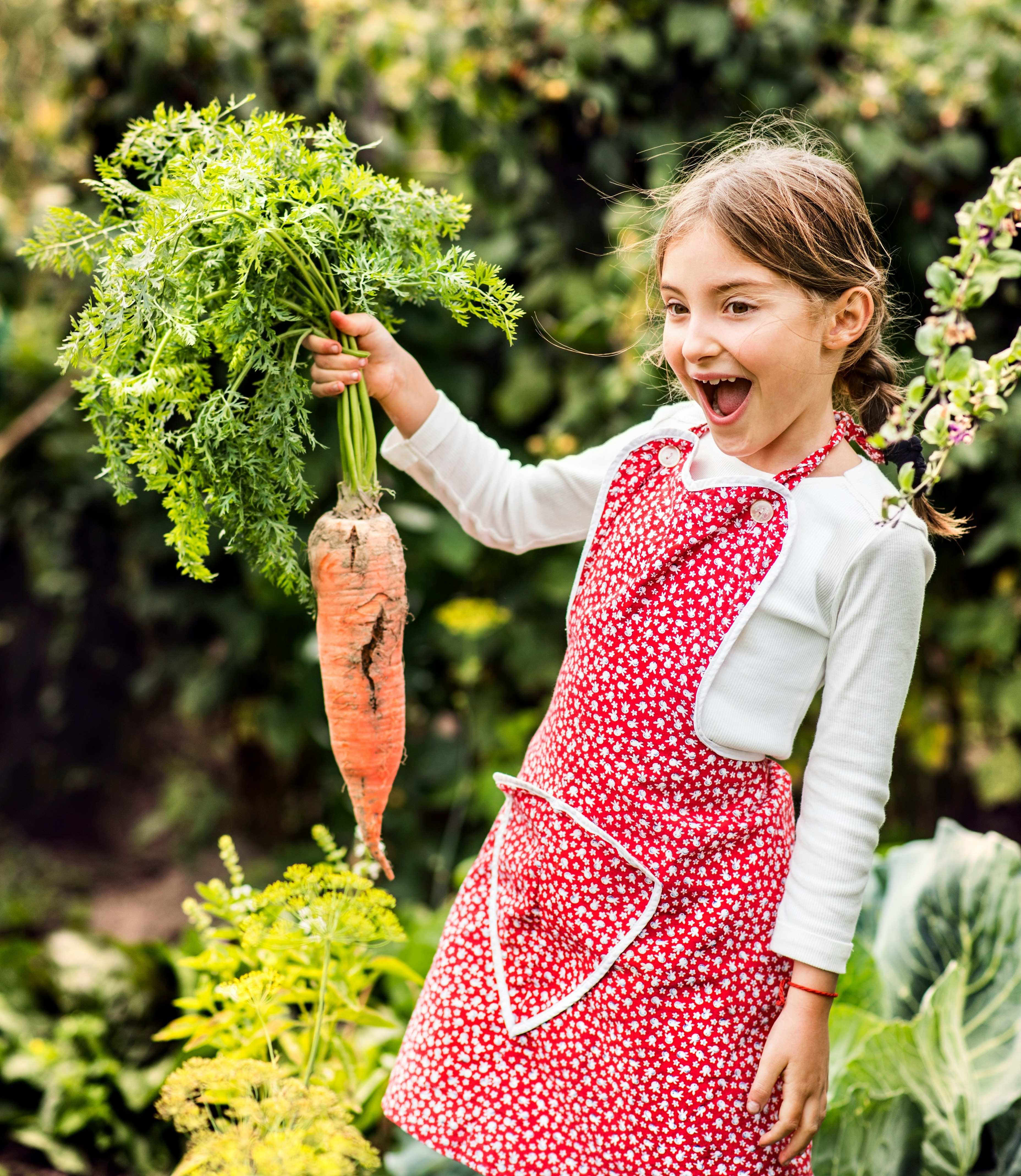
There’s a bonus waiting at season’s end. Carrots, beets, turnips, and parsnips respond to the first cold nights by converting stored starch into sugar—a built-in antifreeze that keeps their cells from freezing. To you, that tastes like candy: a carrot pulled after a light frost tastes noticeably sweeter than the same variety pulled mid-summer.
This is a step along the Food pathway—the sustainable practices concerned with how we eat, grow, and source what’s on our plates. Growing even a fraction of your own food shortens the distance between soil and table to a few paces, and it tends to pull the rest of your living habits along with it. Your one step this week is simple: fill a deep container or grow bag with potting mix and direct-sow (i.e., plant from seed) a fall root crop.
Why a bag beats a garden bed for roots
Root vegetables are fussier about their soil than almost anything else you can grow, and that’s exactly why a container suits them. A carrot turns forked or stubby when its growing tip hits a rock or a clod of clay. In a bag of loose, screened potting mix, there’s nothing in the way—just soft, even texture all the way down, which is the key to growing straight, well-shaped roots. If you live in an older home that can leach lead into the soil around it, or in an urban environment where you are concerned about what other chemicals might be in the ground, container growing solves that concern because you’ll be using safe soil from another location.
Bags solve a few other problems at once. Fabric grow bags are breathable, so they drain freely and resist the waterlogging that rots roots in solid pots or poorly draining garden plots. When a root tip reaches the fabric wall, the drier air “prunes” it, prompting the plant to develop a more efficient root system toward the middle of the bag. Furthermore, bags are inexpensive, fold flat at season’s end, and some have handles that allow you to slide them into the sun or out of a downpour. While fabric grow bags are an ideal solution, the University of New Hampshire Extension points out that almost any vessel that holds soil and drains—plastic nursery pots, buckets with holes drilled in the bottom, wooden boxes, even recycled reusable cloth grocery bags—will grow vegetables, so you don’t have to buy anything fancy to dip your toe into the world of root crops.
Container growing is what makes fall root crops possible for renters, apartment dwellers, and anyone whose only open ground is paved—a row of bags along a driveway can grow a surprising variety and number of vegetables with less pest pressure than in-ground crops. One thing you don’t need to worry about is pollination: unlike fruit, plants grow their roots all by themselves with no need for a partner. If the top of the plant is looking healthy, chances are good its roots are doing well, too.
There is a limit, however, to the number of carrots (or any other root crop) you can grow in one bag. If you’re looking to grow all the carrots you might want to eat in a year, then a garden bed will be more practical. But for beginner gardeners just getting started, for people with limited space, or even for an experienced gardener who wants to try a few different carrot varieties to see how they grow and taste, containers are a great option.
Getting the timing right
Growing for fall harvest runs on a countdown to your first freezing temperature. Find your area’s average first-frost date—your regional extension office or a frost-date lookup will tell you—then count backward by each crop’s days to maturity, adding a couple of weeks because shorter autumn days slow everything down.
That gives you a planting window from mid- to late summer. Radishes are the sprinters, going from seed to harvest in three to five weeks, so they can be sown well into early fall. Turnips need roughly six to eight weeks; beets and carrots need about eight to twelve weeks. For much of North America and Europe, July into August is prime time to sow carrots and beets for a fall harvest, with radishes and turnips following close behind. If you’re unsure you’ve timed it perfectly, plant radishes as a first attempt—they reward you fast and forgive a late start.
Some varieties are especially well-suited to containers. While long carrots need more room to grow than most containers can provide, short, round-tipped carrots like Nantes, Chantenay, and the little globe-shaped Paris Market grow happily in a bag eight to twelve inches deep; long, slender types want closer to eighteen inches. Beets, turnips, and radishes are content in eight to ten inches of soil.
How to plant this week
Fill your container with potting mix—not dirt dug from your yard or garden, which can be too dense for roots to grow easily. Stir in a few handfuls of compost for nutrients. Pro tip: put your container in a location with six to eight hours of full sun and on a saucer, so once your seeds have sprouted, you can fill the saucer with water, which will wick up from the bottom to encourage your plants to develop a deep root system. Light, water, and air are three essentials for all plant growth.
Root vegetables resent being transplanted, so sow the seeds right in the container where they’ll grow their whole lives. Read the seed packet or look up planting instructions online. Space them out and cover with the planting soil mix you’re using. A general rule is that the smaller the seed, the less soil it should be covered with.
Then comes the one task that makes or breaks a summer sowing: keep the soil continually moist until the seedlings are up. Knowing how long seeds take to germinate (i.e., start growing) is important so you know when to expect to greet your young plants. In warm, wet soil, carrot seeds take one to three weeks to sprout.
Tending your garden
Bags dry fast in July heat—often needing water once or even twice a day—and carrot and beet seed simply won’t germinate in dry soil. To help keep the surface soil from drying out, you can cover it with a piece of cardboard, a thin piece of wood, or a burlap sack for the first week while the seeds are underground and the young plant hasn’t started reaching for the sky. After you see green starting to poke up, uncover your young plants and keep them well hydrated.
Once the seedlings have a few leaves, thin them with scissors (simply snip the plants you want to remove, rather than trying to pull them up, to avoid disturbing their neighbors) so each remaining plant's root has room to swell; crowded roots stay small and spindly. Once your plants have a few adult leaves, you can start watering them from the bottom, and then wait and watch for pests or signs of disease. Promptly pull any plants that get attacked by fungus or bacteria (often diagnosed by yellowed, misshapen, or suddenly dying leaves). As the weather cools, the plants slow down, and the roots fatten. If all goes well, your edible roots will grow safe and snug in their homes far above the slugs and bugs that attack so many plants in the ground.
Don’t rush the harvest, but you can pull a few plants if you get impatient to see whether the roots have reached an edible size. Try to leave some through the first light frosts to let that sweetening do its work. Many will keep through the winter in the soil in the bag if you cover them with straw or dry leaves, or store them after harvest for months in cool, humid conditions.
When the growing and harvesting are all done, cover or move your containers to keep them out of the rain, let them dry out, then empty your dry potting soil into a tote to store for next year. Fold and store your fabric grow bags in another tote, then stack it on top of your soil tote, or, if you’re using rigid containers, stack them.
The payoff beyond your plate
A widely cited figure puts the average distance produce travels in the United States at around 1,500 miles—often trucked under refrigeration and wrapped in plastic somewhere along the way. A carrot grown on your driveway travels a few steps to your kitchen, with no diesel emissions and no refrigerants required to prevent it from rotting before you can eat it.
A home garden is one more way to celebrate Plastic Free July. Homegrown roots quietly sidestep the produce aisle’s plastics: the bagged baby carrots and shrink-wrapped organic beets. Roots are low-input, long-storing crops—they ask little in the ground and keep for months afterward without refrigeration. Root cellars have worked for centuries.
None of this asks you to devote your life to becoming a farmer. The point of taking a step on the Food pathway is moving in the right direction as you decide your ultimate destination: one bag of carrots this season builds the habit that leads to two bags next spring, then a few more crops, then a significant share of your plate grown in a few square feet you tend yourself.
Your One Step This Week
Get one deep container or grow bag, fill it with potting mix, and direct-sow a fall root crop. Look up your first-frost date and count back: if it’s tight, start with radishes for a quick win; if you have eight to twelve weeks, sow carrots or beets. Set the bag where it will catch the most sun, cover the seeds lightly, and keep them moist until they sprout. You can get started in a few minutes this weekend.
For dozens more planet-protecting practices across the Food pathway—growing, sourcing, and eating in ways that sustain our life-giving Earth—visit www.suspra.com or pick up Sustainable Practices: Your Handbook for Effective Action from your favorite bookseller (or online at www.sustainablepractice.life/store). If you’d like to read more now, our piece on growing food without a yard, our look at why winter root vegetables are a win for the planet, and our guide to building better soil without digging all pair naturally with today’s article. Find our full archive at sustainablepractice.life/archive.
Sow this week, and come Thanksgiving, you might be handing a friend a frost-sweetened carrot you’ve grown on your own driveway.
References and Resources
Root Crops — Virginia Cooperative Extension, Virginia Tech (days to maturity and the mid-summer planting window for fall and winter root harvests)
Carrot, Beet, Radish & Parsnip — Clemson Cooperative Extension Home & Garden Information Center (root crops as cool-season plants; germination and growing temperatures)
Growing Vegetables in Containers — University of New Hampshire Extension (almost any draining vessel works, including bags and boxes; use lightweight mix rather than garden soil)
Grow Bags for Vegetables: Benefits, Best Plants, and Air Pruning Tips — The Old Farmer’s Almanac (breathability, air pruning, drainage, and portability of fabric grow bags)
How far did your food travel to get to you? — Michigan State University Extension (conventionally grown produce traveled an average of roughly 1,500 miles to market)
Why carrots taste sweeter in winter — The Washington Post, featuring University of California biochemist Liz Roth-Johnson (cold-triggered conversion of starch into sugar in roots)
Related One Step Articles
No Yard? You Can Still Grow Food! — Sustainable Practice, One Step This Week (the small-space, container-first companion to this piece)
Eat the Season: Why Winter Root Vegetables Are a Win for Earth — Sustainable Practice, One Step This Week (why the roots you’re planting are a low-impact choice on the plate, too)
Less Work, Better Dirt in Your Garden — Sustainable Practice, One Step This Week (a deeper look at building the loose, living soil your roots love)
Sustainable Practice empowers you to protect our planet in practical ways. Share this article with someone who has a sunny porch or an empty driveway—and help one more fall harvest grow where there used to be only pavement.