Shower, Sink, Toilet: 16,000 Gallons of Water You Can Save
A handful of bathroom swaps can save an average household close to two months of its own indoor water use.
Lift the lid off your toilet tank and look along the inside wall for a stamped date. Anything dated before 1994 (or with no date stamp at all) means you’re flushing water and money down the drain up to 5 times faster per flush than a model sold today that meets United States water-efficiency standards.
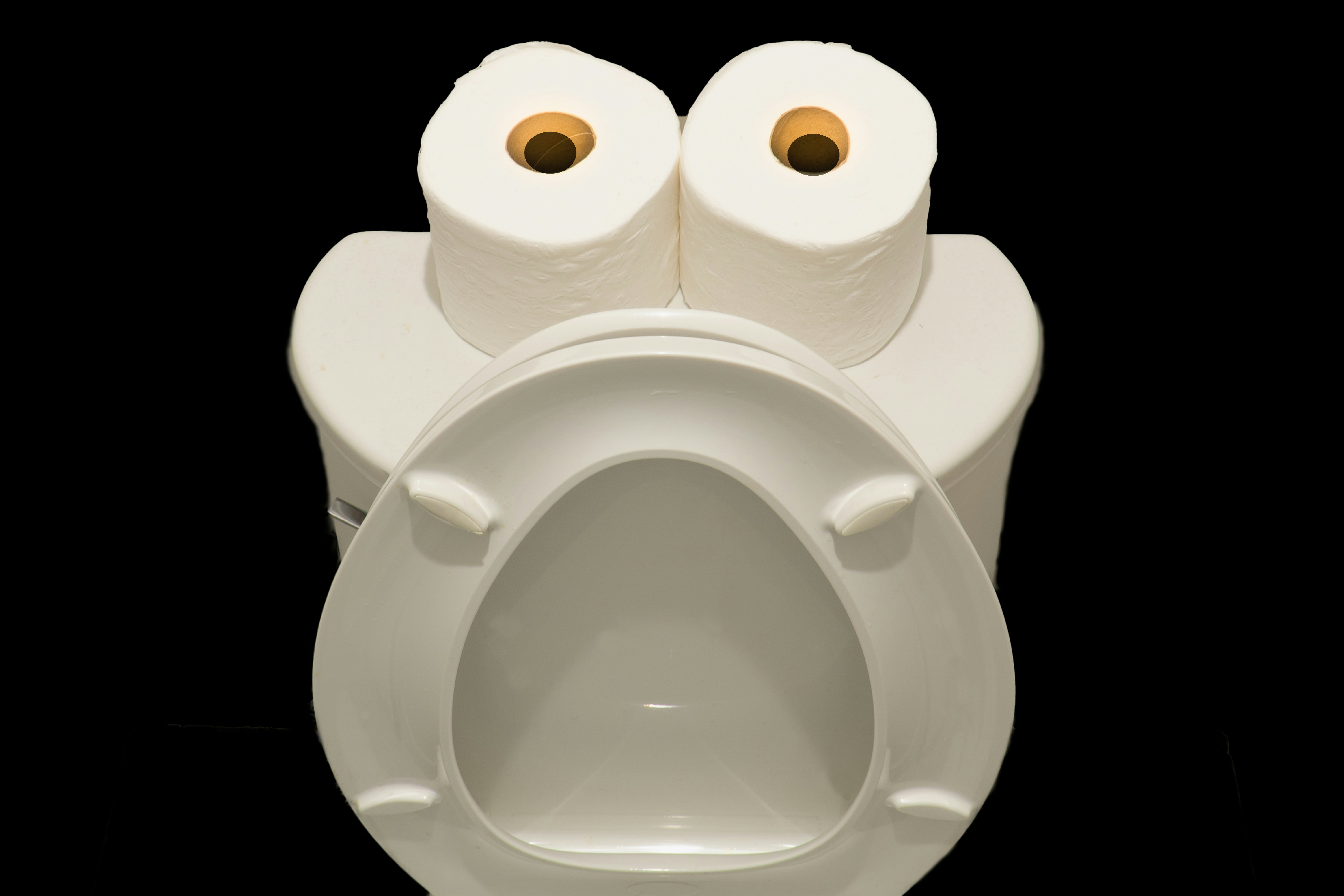
Water is our focus this week because it’s World Water Week, run by the Stockholm International Water Institute since 1991. The 2025 sessions drew more than 13,000 people from 188 countries. This year’s programming, under the theme “Water for People and Progress,” will cover aquifers, treaties, and essential infrastructure. Your bathroom is your largest and most consequential connection to that life-sustaining system.
This is a step on the Water pathway: respecting and protecting the water sustaining all life on Earth. This year we’ve written about water leaving your property — down a storm drain, off a lawn, all the way to a reef — and past One Step discussions have considered the water consumption represented by the food and beverages you choose. This week’s step is more obvious: the fixtures that allow water to flow in and out of your home.
Peggy's Take: I used to live in an older home, and when I moved to a newly built sustainable apartment building, I realized how different water flow was with new showerheads, faucets, and a toilet that used much less water to flush. You can reduce water use and still have a hot, enjoyable shower; you can easily aerate your faucets and use far less water to flush by taking the steps listed in today’s One Step. I notice no difference in comfort with the new fixtures, but I know the small, daily water-conservation differences have a big impact.
Your Bathroom Is Doing Most of the Work
Indoor water use in a typical American home is unevenly split: bathrooms account for more than half of it. Toilets alone account for close to 30 percent of indoor water use, more than laundry, dishes, and cooking combined. That’s true even with a toilet installed to the federal standard set in 1994, which caps flush volume at 1.6 gallons. Anything older can use 3.5 to 7 gallons per flush, and a toilet running continuously on a worn flapper can stealthily waste 200 gallons a day without a drop showing on the floor.
The EPA’s WaterSense label helps you cut through the guesswork on what to buy. A product earns it only after independent, third-party testing confirms it uses at least 20 percent less water than the federal standard while performing as well as or better than a conventional model — no weak trickle, no double-flushing to compensate. Look for the blue water-drop logo rather than trusting “low-flow” printed on a box; that phrase isn’t a regulated term, and it’s covered a lot of underperforming hardware over the years.
Three Swaps, One Afternoon
A faucet aerator is the cheapest water upgrade in the house: a few dollars, a few twists to install, done in minutes. A WaterSense-labeled aerator caps flow at 1.5 gallons per minute, well under the 2.2-gallon federal standard, and the EPA estimates it saves an average family 700 gallons a year — about the amount of water used in 45 showers.
A showerhead swap takes about the same effort. Standard showerheads run at 2.5 gallons per minute; WaterSense models are capped at 2.0 gallons per minute. Showering already accounts for roughly 17 percent of indoor water use, close to 40 gallons a day for a typical family, so trimming that rate adds up fast. An average household saves about 2,700 gallons a year, plus enough energy to run the house for eleven days since you’re no longer heating as much water.
The toilet is the bigger project, but even that can be installed in an afternoon. A WaterSense-labeled model uses 1.28 gallons per flush or less, at least 20 percent below the federal standard, and replacing an old toilet saves the average family close to 13,000 gallons and $170 a year, often $3,400 over the toilet’s lifetime. Many utilities offer rebates or vouchers that knock a meaningful chunk off the purchase price, so it’s worth a quick search for your provider’s name alongside “WaterSense rebate” before you buy.
Add the results from the three swaps together, and a household saves roughly 16,400 gallons a year, close to two months of that same home’s entire indoor water use. The EPA calculates that a full high-efficiency bathroom makeover, sink to shower to toilet, might pay for itself within a single year of combined water and energy savings. Multiply by every home in the country, and a showerhead swap alone would save an estimated 260 billion gallons and $2.9 billion in water bills annually, a Niagara Falls worth of savings built up from a part that can cost less than $10.
Your one step this week
Start by timing how long it takes your faucets and showerheads to fill an empty one-gallon jug (a rinsed milk or water jug works fine). If the faucet fills it in less than 40 seconds, or the showerhead fills it in less than 30 seconds, you’ve got a water-wasting fixture. You can save water by buying and installing a WaterSense-labeled faucet aerator or high-efficiency showerhead. Most hardware stores stock them for well under $30 combined. You can install them yourself; both use standard threading, and neither requires a plumber.
Then inspect your toilets to make sure none are leaking. Open the toilet tank (in the back of most models, where water is stored for your next flush) to check the date printed inside. If it predates 1994 or shows a flush volume above 1.6 gallons, start pricing a WaterSense replacement and looking into rebates or incentives offered by your local water utility. None of this requires giving up water pressure or the shower you actually enjoy; the testing behind the WaterSense label exists precisely so you don’t have to.
World Water Week will feature experts discussing water policy and technology at the national scale over decades. Your bathroom is where policies get settled at the scale of one household in twenty minutes, saving up to sixteen thousand gallons a year. For more on the Water pathway, from what leaves your tap to what leaves your yard, visit www.suspra.com or pick up Sustainable Practices: Your Handbook for Effective Action. The related articles below help you explore the story further.
References and Resources
About WaterSense — U.S. Environmental Protection Agency (bathrooms account for more than 50 percent of a home’s indoor water use; 5 to 10 percent of U.S. homes have easy-to-fix leaks wasting 90+ gallons a day)
Residential Toilets — U.S. Environmental Protection Agency (toilets account for nearly 30 percent of indoor water use; WaterSense models use 1.28 gallons per flush or less, 20 percent below the 1.6-gallon federal standard; average household savings near 13,000 gallons and $170 per year)
Showerheads — U.S. Environmental Protection Agency (showering accounts for roughly 17 percent of indoor water use; standard showerheads use 2.5 gpm versus 2.0 gpm for WaterSense models; average savings of 2,700 gallons and 330 kWh per year; national potential of 260 billion gallons and $2.9 billion annually)
Bathroom Faucets — U.S. Environmental Protection Agency (WaterSense aerators cap flow at 1.5 gpm versus a 2.2 gpm federal standard; average household savings of 700 gallons per year)
Statistics and Facts — U.S. Environmental Protection Agency (a full WaterSense bathroom makeover of toilet, showerhead, and faucet can pay for itself within one year)
World Water Week 2026 — UN-Water (World Water Week 2026 runs August 23–27 under the theme “Water for People and Progress”)
About World Water Week — Stockholm International Water Institute (World Water Week 2025 drew more than 13,000 participants from 188 countries)
Related One Step Articles
The Water You Eat: What Your Dinner Has to Do with World Water Day — Sustainable Practice, One Step This Week (the water hidden in your food, for when the fixtures in this piece aren’t the whole picture)
From Leaf to Reef: Managing Nutrient Run-off From Your Yard — Sustainable Practice, One Step This Week (what happens to water once it leaves your property instead of your tap)
Spring Clean Your Water: A Cleaning Swap That Protects Every River Downstream — Sustainable Practice, One Step This Week (another household choice on the Water pathway, this one at the sink instead of the shower)
Join Sustainable Practice
Expand your positive impact on Earth by becoming a sustainable practitioner today! www.sustainablepractice.life
Sustainable Practice empowers you to protect our planet in practical ways. Share this article with whoever handles the hardware store runs in your house — a five-dollar part and twenty minutes of their time could save thousands of gallons of fresh, clean water every year.