Drinking 101 - Liquid Logic: How Tap Water Wins Over Bottled Beverages
An estimated $221 billion was spent on carbonated beverages worldwide in 2020, about the same as the global investment in solar power that year.
Our one step this week is Drinking 101: More Tap Water, Fewer Bottled Beverages. This is a practice everyone can afford; in fact, it’s one of the easiest ways to save money—hundreds of billions of dollars each year if everyone in the world got on board—while very effectively protecting our environment. An Idaho water utility reports that the average price of tap water in the United States is about $1.50 per 1,000 gallons, which is about 1,000 times cheaper than bottled water. Besides more money in your pocket, less plastic in your waste stream is another compelling reason to turn on a tap to quench your thirst.
For additional practical sustainability guides, please visit our website at www.SustainablePractice.Life.
Two That Matter Most
To know whether you are meeting your need for water in a sustainable way, these two environmental indicators matter most:
How much money you spend on beverages.
How many beverage containers you put in the garbage or recycling.
Successfully Changing Drinking Practices: A Quick Note
Changing drinking habits is hard. You may have the best intentions to drink tap water, but catch yourself putting soft drinks in your shopping cart. A six-step continuous improvement practice proficiency model helps you make successful changes:
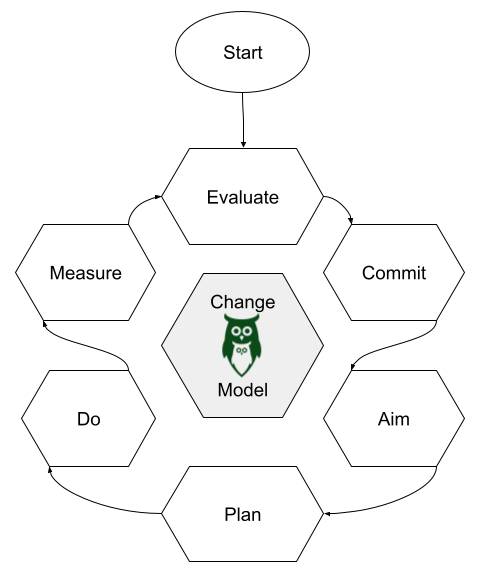
Start by evaluating your current practices to identify what can and needs to change. Make and share a commitment to improve. Then take aim by setting specific, measurable, achievable, relevant, and time-bound goals. Develop a plan that describes how you will achieve your goals. Do the work. Measure what matters, so you can evaluate your results and keep making positive change happen.
Sustainable Practice: Drinking 101
More Tap Water, Fewer Bottled Beverages
Drink more tap water and fewer bottled beverages to save energy and materials, prevent pollution, and reduce waste.
Equipment and Materials
Potable water supply
Refillable water bottle [Optional]
Water filter [Optional]
Steps
Fill your glass or water bottle from a potable tap
Discussion
Once humans are weaned, plain water is sufficient for hydration for the rest of their lives. But beverages are big business—sweetened drinks are an affordable luxury enjoyed around the world, and bottled water is sold as a convenience or as a safer alternative in communities where public potable water supplies are unreliable. If your household or organization has access to a safe drinking water supply, you can meet your need for water affordably and sustainably simply by turning on the tap.
In most communities in developed countries, public water supplies are treated to be potable, and private water supplies, such as deep wells, are typically designed to provide potable water without requiring treatment. Non-potable water supplies, such as untreated surface water intended for irrigation, are often labeled. Activated charcoal filters can be used to improve the taste of treated potable water, removing chlorine and other odors. More extensive filtration systems and additional treatment may be required before it is safe to drink water from non-potable water supplies.
The choice to drink tap water is environmentally beneficial for many reasons:
Less energy and materials are required to provide tap water compared to bottled beverages, which is why tap water is 1,000 times more affordable per gallon than bottled water.
Agricultural resources are not required to grow sugar cane, beets, or corn to provide sweeteners, which are not in tap water but are often added to beverages.
You can use reusable glasses or refillable water bottles, meeting the need for drinking water without producing solid waste.
Drinking tap water makes good use of existing infrastructure and prevents pollution. Most residential and commercial structures in developed countries have water pipes buried underground to deliver potable water on demand year-round. But bottled beverages must be delivered, usually requiring a road network. Leveraging the existing water infrastructure prevents pollution by avoiding the need to produce, distribute, or dispose of single-use plastic, glass, or metal beverage containers.
Drinking plain water instead of sweetened beverages prevents food waste if the extra food energy is not necessary to meet dietary needs. Sugar cane, beets, or corn—or the land used to grow them—can be used in more beneficial ways to feed people.
Choosing to drink plain tap water rather than bottled beverages allows you to allocate more money to more sustainable investments, saves energy and materials, prevents pollution, and reduces waste.
Definitions
Beverage: a liquid for drinking.
Bottled: bottled beverages are distributed in plastic, glass, or metal containers, usually designed for single use.
High fructose corn syrup: a common sweetener in beverages derived from corn.
Potable: water that is safe to drink.
Tap: water that is distributed under pressure in pipes rather than bottled.
Troubleshooting
Your local water supply is unsafe:
Filter your water
Your local area is experiencing a severe drought:
Conserve water in other ways, such as reducing the amount you use for flushing toilets to ensure you have enough for drinking
You want something more exciting to drink than plain water
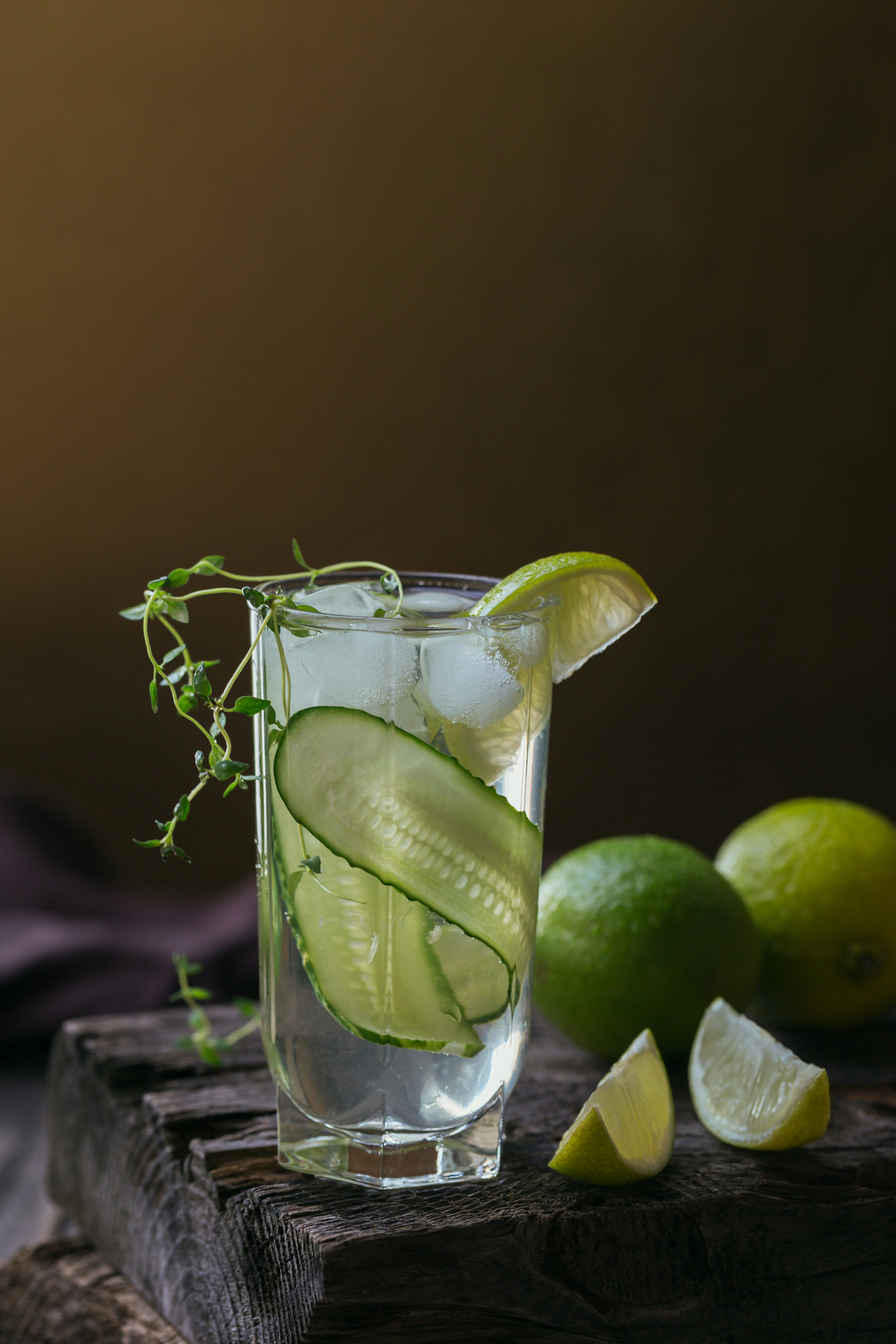
Add fresh fruit, such as a lime wedge, or vegetables, such as a cucumber slice
Brew mint tea
Add sugar or syrup sparingly to make your own beverage sweetened to taste
Strategies and Goals
Community
Demonstrate sustainable practices
Refill reusable water bottles from the tap.
Food
Reduce Food Waste
Drink water without unnecessary sweeteners.
Water
Protect Water Quality
Drink water that minimizes pollution.
Energy
Conserve energy
Drink tap water to save energy from being used to produce, distribute, and dispose of beverage containers.
Goods
Buy Less
Drink tap water to avoid buying unnecessary packaging.
Milestones
Decrease bottled beverages purchased
Measure: Bottled beverages purchased
Method: Logbook
Time Period: Season
Decrease packaging purchased
Measure: Waste sent to be incinerated or landfilled
Method: Logbook
Time Period: Week
Limitations
Finding sources of tap water may be inconvenient when traveling
Public water supplies are unreliable in some communities
Other beverages are more appealing than tap water
Opportunities
Drinking 102 - Sustainable Coffee
Get your caffeine fix without destroying our planet
References
Water Organizations
Refillable Water Bottle Companies
Water Filter Companies
Keywords
water, tap, drinking, refillable water bottle, water filters