Feast on Fresh: Savor the Flavor of Local, Organic Goodness.
Organic farms use 45% less energy while maintaining or exceeding yields compared to conventional farms, according to a forty-year study by the Rodale Institute.
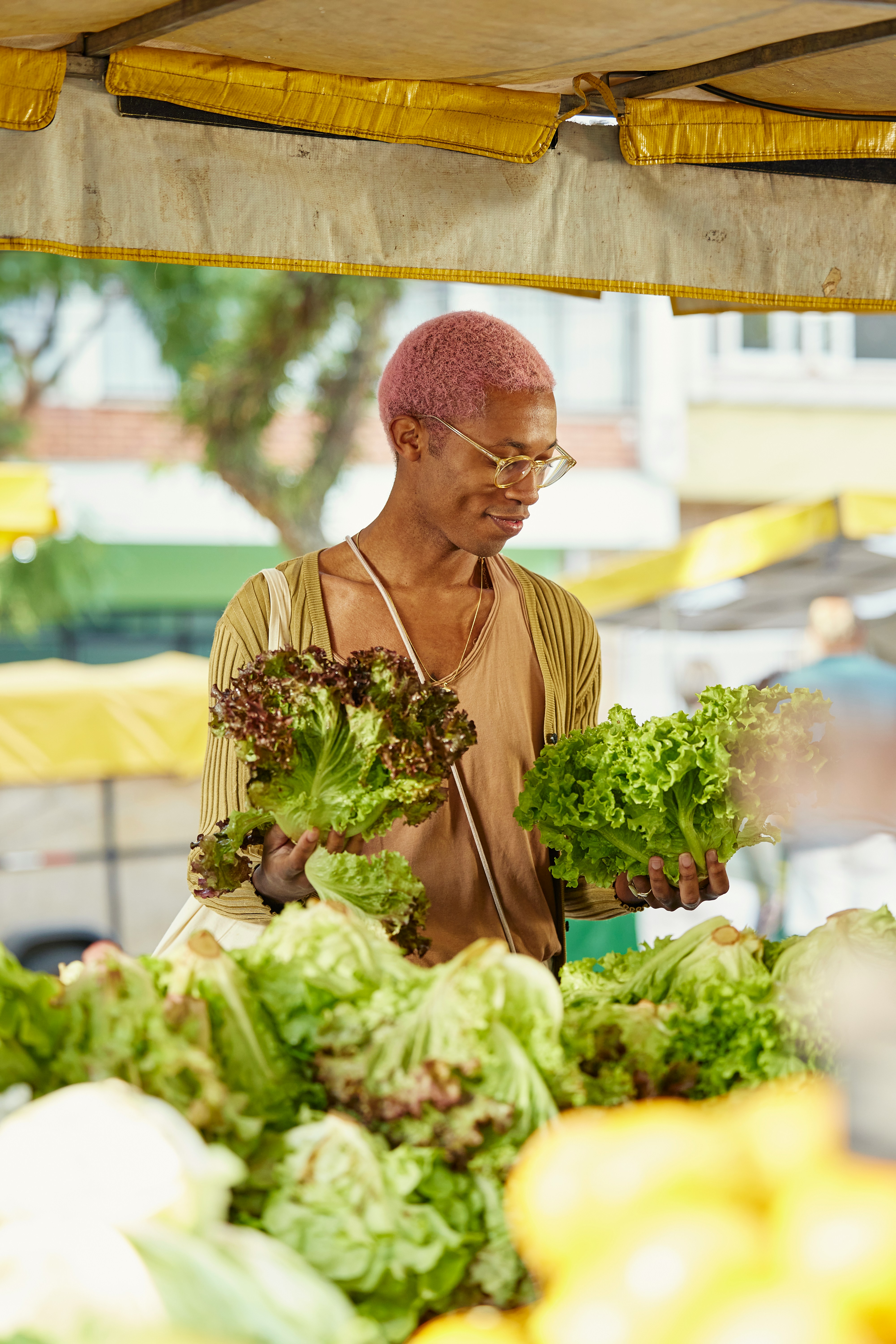
Our one step this week is to buy local organic food in season. This is Eating 102, continuing our sustainable practices regarding food. Eating 101 offered a More Plants, No Beef practice guide. Let us know what favorite fresh fruits and vegetables are available at farmers markets and community-supported agriculture near you!
For additional practical sustainability guides, please visit our website at www.SustainablePractice.Life.
Two That Matter Most
To know whether you are meeting your need for food in a sustainable way, these two environmental indicators matter most:
How much organic food you purchase.
How much non-organic food you purchase.
Successfully Changing Eating Practices: A Quick Note
Changing eating habits is hard. You may have the best intentions to eat organic, but catch yourself putting non-organic items in your shopping cart. A six-step continuous improvement practice proficiency model helps you make successful changes:
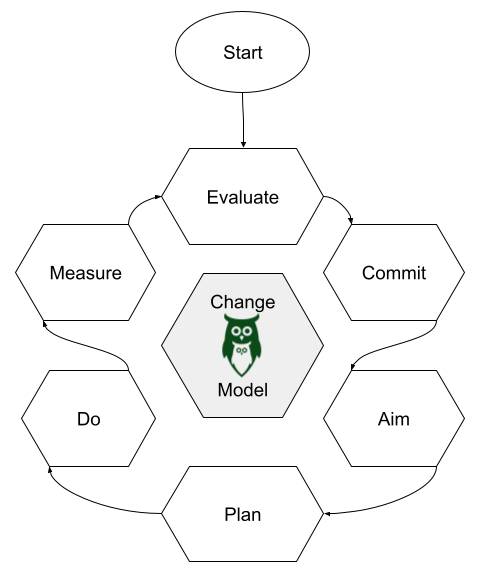
Start by evaluating your current practices to identify what can and needs to change. Make and share a commitment to improve. Then take aim by setting specific, measurable, achievable, relevant, and time-bound goals. Develop a plan that describes how you will achieve your goals. Do the work. Measure what matters, so you can evaluate your results and keep making positive change happen.
Sustainable Practice: Eating 102
Local Organic Food In Season
Buy food directly from local organic producers in season to protect our food supply and avoid unnecessary processing, packaging, and shipping.
Equipment and Materials
Shopping guide [Optional]
Farmers market [Optional]
Local and seasonal recipes [Optional]
Steps
Learn what food is in season in your area.
Learn who produces food in your area.
Learn which local producers use regenerative (organic) methods.
Plan your menus and food shopping in advance. [Optional]
Buy food in season from local organic farms.
Discussion
Eating local food in season reduces storage costs and the risks of spoilage and waste. Visiting local farmers markets and talking with local organic food producers is an excellent way to learn what is available in season in your area. Weather conditions, pests, disease, and other factors vary every season, so it’s helpful to talk with local farmers to know which crops have failed and which are exceeding expectations in your local foodshed.
Supporting local organic food producers helps keep them in business. Modern market forces reward industrial agricultural practices: monoculture, large-scale production dependent on synthetic fertilizers, pesticides, and long-distance transportation. Although the industrial agriculture approach is efficient for food production over the typical 90-day to 48-month planning horizon that most corporate managers and policymakers must consider, it is blind to risks over decadal time scales that are beyond the planning horizon for most individual corporations, politicians, and consumers. As a result, we know that our modern agricultural system is accruing catastrophic systemic risks every season, but we do not have good tools to measure or reduce these risks.
Small-scale organic food production provides many environmental benefits that sustain agricultural yields for decades and longer. Organic agricultural practices:
Retain and build healthy topsoil.
Maintain and increase biodiversity.
Prevent pests from developing resistance to synthetic control measures.
Preserve germplasm (seeds) adapted to local conditions and tastes.
Consumers seeking to buy food directly from local producers can visit local farmers markets or join a community-supported agriculture (CSA) program. In a typical CSA, a farm will sell a season share directly to consumers and then provide a weekly mix of fruits, vegetables, mushrooms, cheese, etc., depending on what can be produced locally that season. Many CSAs offer summer season and winter season shares; others offer year-round shares or only summer season shares. In most cases, consumers shopping at a farmers market can bring their own reusable bags and containers, eliminating single-use plastic packaging.
Eating fresh food in season avoids the need to process it for long-term storage or long-distance shipping. The shorter the time and distance food must travel, the more varieties available. Many flavorful, colorful, and nutritious varieties of fruits and vegetables do not store or ship well, making them uneconomical to sell in grocery stores. Buying these varieties from local food producers (or growing them yourself) ensures they will continue to be available for people in your community to eat.
Changing the typical purchasing practice from buying all food at grocery stores or restaurants to buying food at local farmers markets or directly from food producers protects our food supply and avoids unnecessary processing, packaging, and shipping costs.
Definitions
CSA: community supported agriculture, a system in which consumers pay for shares of food from a local farmer, fisherman, etc.
Foodshed: the geographic area that produces food for a community
Food Miles: how far food travels before being eaten
Industrial Agriculture: a comprehensive approach to producing food that prioritizes economies of scale, relying on debt financing, machinery, genetic engineering, synthetic chemicals and pesticides, long-distance transportation networks, and other modern techniques
Monoculture: growing just one crop species in a field at a time, as opposed to intercropping or polyculture
Organic Chemistry: study of the structure, properties, and reactions of organic compounds containing carbon atoms
Organic Food: food produced following organic methods and standards
Organic Standards: standards for regenerative agriculture; named for the emphasis on improving the carbon content (organic chemistry) of soil
Regenerative (Organic): a comprehensive approach to producing food that prioritizes the long-term health of the ecosystem and people involved
Troubleshooting
You can’t find local food producers:
See our list of references to help you search
Start a local community garden
Your local area is experiencing a drought, disease epidemic, etc.
Buy organic food produced in another foodshed
Start your own kitchen garden
Strategies and Goals
Food
Reduce Food Waste
Eat food in season to reduce the risk of spoilage during long-term storage.
Eat food from your local foodshed to reduce the risk of waste during long-distance transportation.
Eat fresh food to reduce waste during processing.
Grow Good Farms and Gardens
Support local organic food producers.
Water
Protect Water Quality
Eat food produced using regenerative methods that minimize water pollution.
Goods
Buy Less
Buy food directly from producers to avoid buying unnecessary packaging.
Habitat
Share Habitat
Eat food produced using regenerative methods that promote biodiversity on agricultural land.
Milestones
Increase food eaten in season
Measure: Seasonal food eaten
Method: Logbook
Time Period: Season
Increase food eaten from local foodshed
Measure: Local food eaten
Method: Logbook
Time Period: Season
Increase fresh, non-processed food eaten
Measure: Fresh food eaten
Method: Logbook
Time Period: Season
Increase organic food purchased
Measure: Organic food purchased
Method: Logbook
Time Period: Season
Decrease non-organic food purchased
Measure: Non-organic food purchased
Method: Logbook
Time Period: Season
Decrease packaging purchased
Measure: Waste sent to be incinerated or landfilled
Method: Logbook
Time Period: Week
Limitations
Local foodshed may have few producers
Local foodshed may have few organic producers
Local conditions may limit the amount of food available
Opportunities
Eating 101 - More Plants, No Beef
Increase likelihood of finding local organic producers
References
Local Food Locator Services
Regenerative Agriculture (Organic Standards)
Sustainable Food Resources and Organizations
Keywords
food, farms, organic, local, regenerative