In the Sustainability Olympics, this takes the Bronze
Eating a plant-based diet can prevent 75 percent of the pollution caused by people who eat more than 3.5 ounces of meat every day.
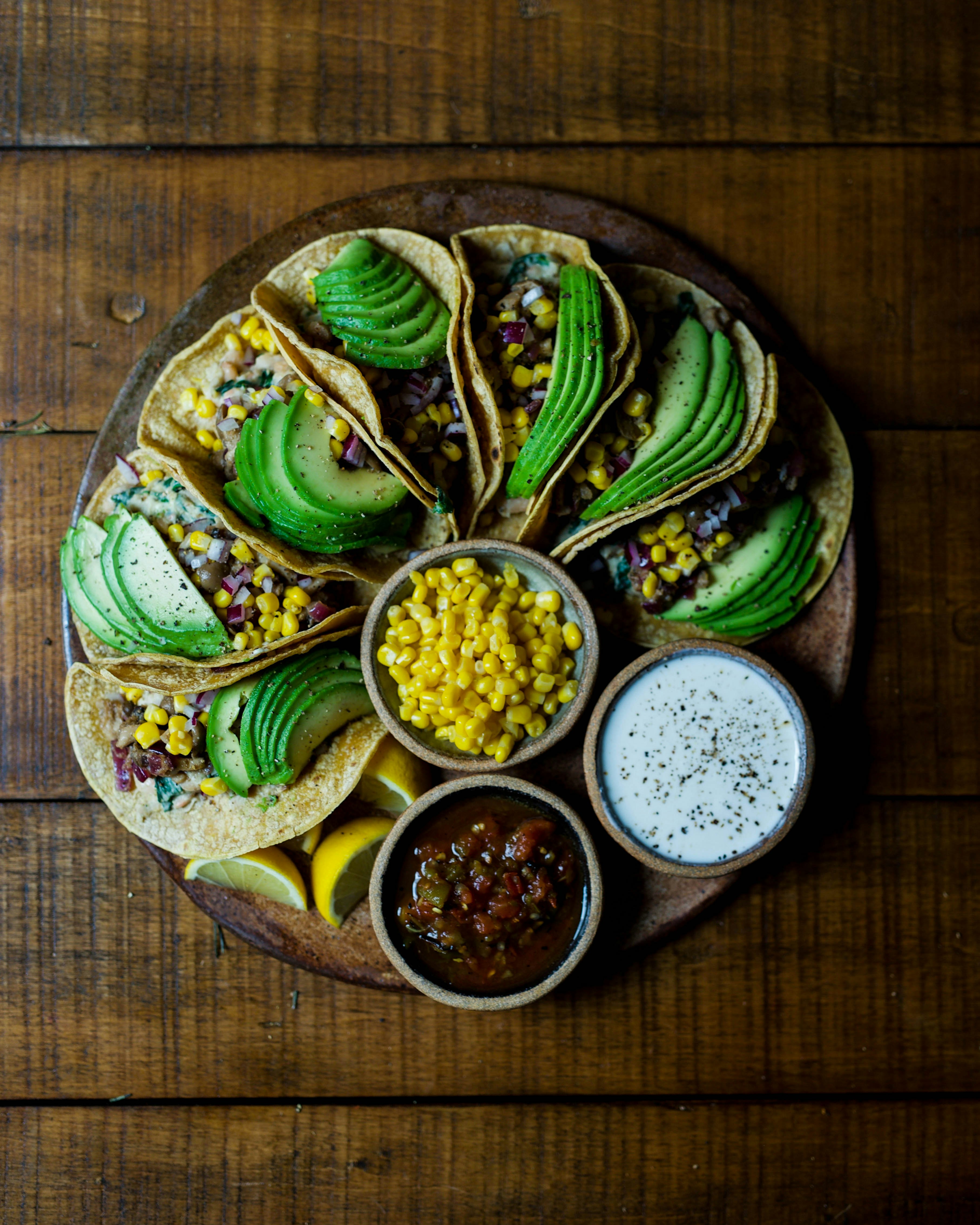
Choosing to eat delicious and nutritious plant-based meals instead of chowing down on burgers and steaks is really good for our health and pocketbooks—and our planet. Eating more plants, and less meat, takes the bronze medal in our winners list of the top 20 sustainable practices for households and organizations.
Today’s post features our Eating 101: More Plants, No Beef practice guide. For more sustainable eating guides, see our Sustainable Practice website.
Successfully Changing Eating Practices: A Quick Note
Changing eating habits is hard. You may have the best intentions to eat better, but catch yourself buying beef burgers for an easy meal when you haven’t planned ahead. A six-step continuous improvement practice proficiency model helps you make successful changes:
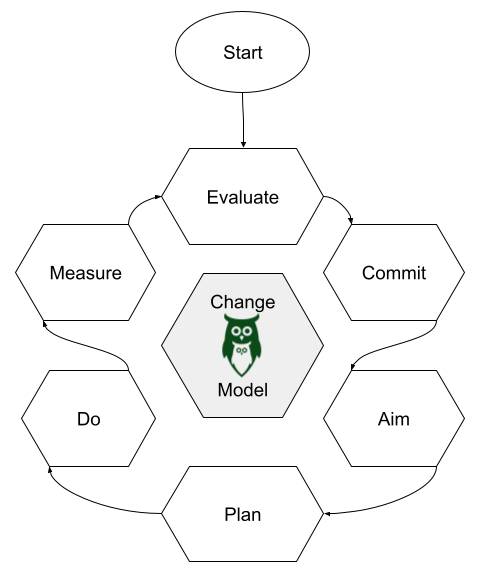
Start by evaluating your current practices to identify what can and needs to change. Make and share a commitment to improve. Then take aim by setting specific, measurable, achievable, relevant, and time-bound goals. Develop a plan that describes how you will achieve your goals. Do the work. Measure what matters, so you can evaluate your results and keep making positive change happen.
The Two That Matter Most
To evaluate your eating practices, two measurements matter most:
How much of your total nutrition are you getting from plant-based sources?
How much beef, veal, mutton, lamb, goat, farmed venison, farmed elk, and farmed bison meat are you buying?
Eating 101 Practice Guide
More Plants, No Beef
Eat food primarily from plant sources. Avoid buying the meat of domesticated ruminant animals: beef, veal, mutton, lamb, goat, farmed venison, farmed elk, and farmed bison.
Strategic Goals
Save the environmental costs of:
growing feed for animals,
dedicating land for pasture and
managing large volumes of manure.
Reduce methane emissions from domesticated ruminants.
Divert revenue from animal ranchers to fishermen and plant growers.
Demonstrate how to enjoy nutritious and delicious plant-based meals.
Equipment and Materials
Flexitarian recipes [Optional]
Steps
Learn which meats come from domesticated ruminants: cows, sheep, goats, bison, buffalo, yaks, reindeer, camels, llamas, alpacas, antelope, and deer species.
For home-cooked meals, stop buying beef, lamb, and other meats from any domesticated ruminant.
While eating out, avoid ordering menu items containing beef, lamb, or other meats from any domesticated ruminant.
Learn how to satisfy your dietary requirements from plant sources.
Prepare “beef-free” flexitarian meals at home.
Bring “beef-free” flexitarian dishes to potlucks and other social gatherings.
Order “beef-free” flexitarian menu items when eating out.
Discussion
Plant-based diets are more sustainable than animal-based diets. Per hectare of land, we can grow four times as much plant-based food as beef, measured by nutritional units including joules, carbohydrates, proteins, fats, fiber, vitamins, and minerals. As omnivores, humans can survive on a wide variety of diets, ranging from 0% to 100% plant-based.
This practice is a flexitarian diet that aims to increase the percentage of your nutritional needs met by plant sources, decrease the amount of animal products you eat, and exclude a few types of meat with the worst environmental impacts. As the name suggests, flexitarian diets are flexible. With this practice, you will aim to get more of your food from plant sources so you can cut out meat from domesticated ruminant animals: cows, sheep, goats, bison, buffalo, yaks, reindeer, camels, llamas, alpacas, and deer.
By excluding domesticated ruminant meat from your food purchases, you increase the efficiency of your diet, and you eliminate unnecessary methane emissions. Raising and slaughtering ruminants for meat wastes time, money, energy, land, water, fertilizer, and other resources, because eating plants is much more efficient than feeding plants to animals and eating meat. Besides wasting resources, ruminants belch methane, which is a potent greenhouse gas.
Not spending your money to buy meat from ruminant animals reduces revenue to animal ranchers. Because you’ll obtain equivalent nutritional units from other sources, you’ll send more money to growers of fruits, vegetables, edible fungi such as mushrooms, and edible microbes such as yeast. This decreases the relative political and purchasing power of ranchers compared to growers.
Eating meat from wild-caught ruminants, such as deer, elk, moose, and bison, has positive as well as negative environmental impacts. Humans can function as apex predators to keep herd populations at sustainable levels, especially in places where large carnivores such as wolves and mountain lions conflict with human activities. Eating wild game reduces the amount of other food you eat and can replace beef, lamb, and similar meat in traditional recipes your family may enjoy.
When you serve flexitarian meals to family and friends or order flexitarian menu items, you demonstrate a sustainable practice and establish a social custom. If you are served a meal containing ruminant meat, consider whether the benefits of refusing to eat it outweigh the costs (i.e., the waste of the meat not being eaten).
Definitions
Animal Products: meat, eggs, dairy, and other food derived from animals
“Beef-free”: shorthand for a recipe without ruminant meat
“Red” Meat: beef, veal, mutton, lamb, goat, venison, and similar meats
Dairy: food derived from the lacteal secretions of cows
Domesticated: species that are managed by humans rather than wild
Flexitarian: a plant-based diet that allows for fish, meat, dairy, and eggs
Lacteal secretion: milk produced by animals, especially mammals
Meat: edible parts of animals, typically mammalian species
Methane: CH4, which ruminant animals burp as they digest feed
Nutritional Unit: a measure of the human-relevant nutrient content of food
Plant-based: food derived from plants; may include fungus and microbes
Poultry: edible parts of birds, especially chickens
Ruminant: an herbivore with a multi-chambered stomach that chews cud
Vegetarian: a plant-based diet that excludes meat, poultry, and fish
Vegan: an exclusively plant-based diet without meat, eggs, or dairy
Troubleshooting
You are worried about getting sufficient nutrients without eating red meat:
Talk with your doctor about your dietary requirements.
You don’t know how to cook without using red meat:
Look online for flexitarian recipes.
Talk with friends who cook without red meat.
Your family likes eating hamburgers, steaks, and other red meat:
Have a conversation about changing dietary practices.
Try turkey burgers.
Try Impossible burgers.
Try other veggie burgers.
Limitations of this Practice
A flexitarian diet is only somewhat sustainable; choose another eating practice to do better:
A vegetarian diet (Eating 201), without meat, is moderately sustainable.
A vegan diet (Eating 301), without any animal products, is superbly sustainable.
Plant-based food can be grown in unsustainable ways.
Opportunities to Improve
Eating 102: Meatless Monday
Introduce the idea of regularly eating meals without meat
Try out vegetarian or vegan recipes
Eating 201: Being Vegetarian, Eating 301: Being Vegan, or Gardening 101: Growing Greens
Improve the sustainability of your diet
Eating 103: Buying Organic
Improve the practices of the farms growing your food
Measurements
How many nutritional units you eat.
How many nutritional units plant sources supply in your diet.
How much domesticated ruminant meat you buy.
How many plant-based meals you share with family and friends.
Milestones
Increase the percentage of nutritional units supplied by plants in your diet.
Increase the days per kilogram of domesticated ruminant meat you buy.
Increase the percentage of your food budget going to plant growers and not animal ranchers.
Enjoy more plant-based meals with family and friends.
Pathway Strategies
Food: Choose Planet-Friendly Ingredients
Food: Eat a Plant-Based Diet
Food: Grow Good Farms and Gardens
Water: Protect Water Quality
Habitat: Conserve Habitat
Community: Demonstrate Sustainable Practices
References
Books
Articles
Organizations
Feedback Groups
We are recruiting friendly groups of smart people who care about sustainability to be sounding boards to help us improve our resources as we prepare to publish our Handbook for Sustainability this year. If you enjoy thinking about and discussing practical sustainability—especially how to measure sustainability indicators to quantify the results of changing practices in households and organizations—please allow us to share drafts of our work with you so you can share your insights with us.
To request to join a feedback group, please visit