When You Wish Upon a Bin…
Just putting items in your recycling bin doesn’t magically make them recyclable
You probably know someone—maybe it’s you—who hates to throw away yogurt cups, plastic bags, old phone chargers, and all sorts of other random things and thinks, I’m not sure, but maybe they can recycle it. So in the recycling bin it goes, whether it can really be recycled or not. The recycling industry has a word for this: wishcycling. And it’s one of the most common ways that well-meaning people accidentally make recycling worse.
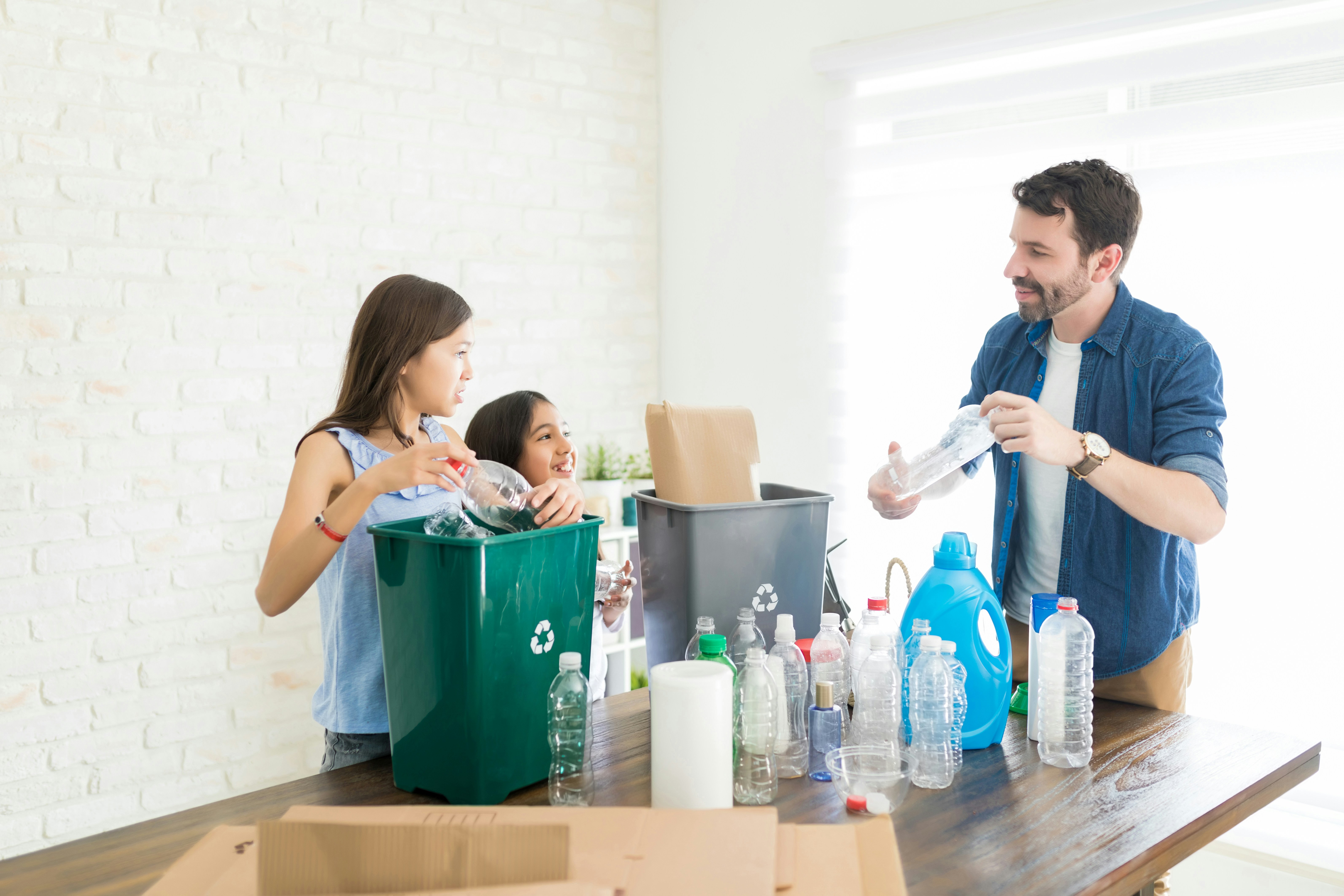
Wishcycling is putting something in your recycling bin just because you wish it could be recycled, not because you know it can be. At home, it makes you feel better to put things in recycling than in the trash. But at the sorting facility where the contents of your blue bin end up, those good intentions cause bad problems.
Recycling is on the Goods pathway in the Sustainable Practices framework—the set of practices focused on sustainable consumption, materials, and waste management. And within that pathway, recycling is one piece of a larger strategy. The most effective steps come earlier—buying less, choosing durable and repairable products, reusing what you already have. Recycling right is how you handle what’s left.
What Happens When the Wrong Stuff Gets In
Your recyclables end up at a Materials Recovery Facility—a MRF, pronounced “murf”—where a combination of workers and machines sort everything by material type at high speed. The system is designed for a specific set of items: clean paper and cardboard, metal cans, glass containers, and a select few types of plastic bottles and jugs. When something else enters the stream, it doesn’t just pass through harmlessly.
Contamination ruins everything around it. A half-full coffee cup soaks a bale of clean paper. A container of leftover pasta sauce coats the cardboard underneath it. When contamination in a truckload crosses a certain threshold—often around 25 percent—the MRF rejects the entire load. All of it goes to the incinerator or landfill, including every perfectly sorted aluminum can that your neighbors carefully rinsed and the cereal box that they placed in their bins.
Plastic bags are an especially problematic contaminant. These “tanglers” wrap around the rotating screens that sort materials, sometimes forcing the entire line to shut down until someone climbs in to cut them free. That’s dangerous, time-consuming, and expensive. Garden hoses, electrical cords, and string lights do the same thing.
Batteries—especially the lithium-ion kind hiding inside old vape pens, wireless earbuds, and phone chargers—pose an even more serious threat. The National Waste and Recycling Association and Resource Recycling Systems estimate that more than 5,000 fires occur annually at recycling facilities across the United States, with lithium-ion batteries identified as a leading cause. In 2025, publicly reported facility fires in the U.S. and Canada hit a record 448, a number that has climbed steadily over the past decade as battery-powered consumer products have proliferated.
The Paradox of Caring Too Much
A 2023 review in the MIT Science Policy Review by researchers Eli Kramer and Erez Yoeli found something counterintuitive: people with the strongest pro-environmental values were actually more likely to wishcycle. When they weren’t sure whether something belonged in the bin, they erred on the side of recycling it—assuming the system could sort out their mistakes.
Your One Step This Week: Learn Your Local List
Spend ten minutes on the single most useful thing you can do for recycling: look up exactly what your local facility accepts.
Recycling rules vary from town to town because different MRFs have different equipment and different buyers for their sorted materials. What’s recyclable in Portland may not be recyclable in Phoenix. Your municipality’s website or waste hauler publishes an accepted materials list. Find it, read it, and tape a copy to your bin.
For most curbside programs in the U.S., the accepted list boils down to five categories: clean paper and cardboard, glass bottles and jars, metal cans (aluminum and steel), and plastic bottles and jugs marked #1 (PET) or #2 (HDPE). Very few facilities exist that can successfully recycle more types of materials than this. If you’re not sure about something and it’s not clearly on the list, the best advice from recycling professionals across the country is blunt: when in doubt, leave it out.
A few other quick fixes that help right away: never bag your recyclables in a plastic bag (even if the bag itself says “recyclable”—it isn’t designed to be recycled in curbside programs), rinse food containers with a quick swirl of water before tossing them in, and keep batteries out of recycling bins. Most hardware stores and many retailers accept batteries at dedicated drop-off points; search “battery recycling near me” or check The Battery Network (formerly Call2Recycle) at Call2Recycle.org to find one.
Making Recycling Count
The U.S. recycling rate sits at about 32 percent, according to the EPA. The system has real gaps, but contamination from wishcycling worsens the problem by degrading the value of materials that do make it to your regional MRFs.
You can’t fix the whole system from your kitchen. But you can make sure that what leaves your house in the blue bin will actually be appreciated and recycled once it enters the system. That’s a step worth taking—this week and every week after.
For more on the Goods pathway and dozens of other science-based sustainability practices, visit www.suspra.com or pick up the Sustainable Practices Handbook. And if you’d like to explore past One Step articles on reducing waste, composting, and sustainable consumption, you’ll find the full archive at sustainablepractice.life.
References and Resources
Research
Kramer, E. & Yoeli, E. (2023). “Individual, corporate, and national wishcycling: Improving recycling in the U.S. by understanding its complexity.” MIT Science Policy Review, 4. https://sciencepolicyreview.org/wp-content/uploads/securepdfs/2023/09/MITSPR-v4-191618004006.pdf
The Recycling Partnership. (2024). “State of Recycling: Present and Future of Residential Recycling in the U.S.” https://recyclingpartnership.org/residential-recycling-report/
National Waste & Recycling Association and Resource Recycling Systems. (2024). Report on the Threat of Lithium Batteries to Waste and Recycling Infrastructure. https://wasterecycling.org/news-releases/nwra-and-rrs-release-report-on-threat-of-lithium-batteries-to-waste-and-recycling-infrastructure/
Practical Resources
EPA — America Recycles Day and Recycling Facts: https://www.epa.gov/circulareconomy/america-recycles-day
EPA — How Do I Recycle? Common Recyclables: https://www.epa.gov/recycle/how-do-i-recycle-common-recyclables
The Battery Network (formerly Call2Recycle) — Find a Battery Drop-Off Location: https://www.call2recycle.org/locator/
More Resources for Sustainable Practitioners
Sustainable Practice: www.suspra.com