Teaching Kids Sustainability: Age-Appropriate Actions That Stick
Children who learn environmental lessons don’t just develop good habits—they change their families
Yesterday was the International Day of Education, an annual reminder that what we teach shapes the world we share. This year’s theme celebrated youth as agents of change—and research confirms they truly are, in ways that might surprise you.
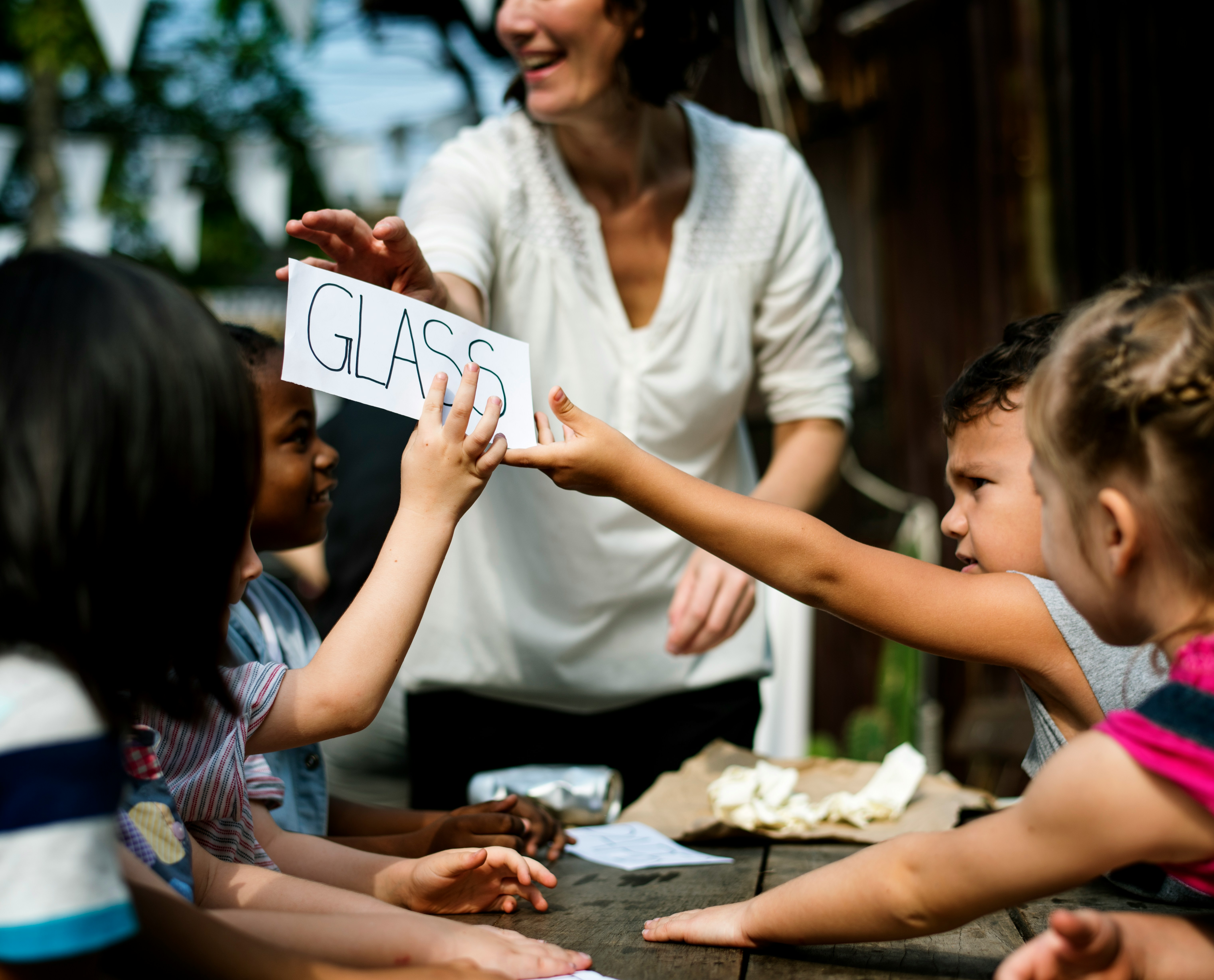
A study published in Nature Climate Change found that when children learn about climate science, they don’t just change their own behavior. They shift their parents’ attitudes and actions too. The effect was strongest when daughters talked to fathers—upending assumptions about who influences whom in families. Children aren’t just inheriting our environmental legacy; they’re actively reshaping it.
This week, take one step along the community pathway to support environmental education—either by teaching a child in your life or by helping an organization that does.
If You Have Children in Your Life
You don’t need to be a parent to have a child in your life. Aunts, uncles, grandparents, teachers, coaches, neighbors—anyone who spends time with young people can plant seeds of environmental awareness. The key is matching your approach to the child’s age.
For young children (ages 2-7), keep it sensory and simple. Here are a few ideas. Set up a “nature table” where they can display found treasures—pinecones, interesting rocks, fallen leaves. Let kids help sort recyclables by touch, learning that different materials go to different places. Read books like We Are Water Protectors by Carole Lindstrom or Compost Stew by Mary McKenna Siddals, which celebrate environmental stewardship through story and rhyme.
For older children (ages 8-12), assign them real responsibility. Most children want to be helpers when they receive positive attention and encouragement. A child this age can manage a compost bucket, track household energy use on a simple chart, or help plan a small garden. Explore citizen science together—learn about the Great Backyard Bird Count or iNaturalist observations that turn outdoor time into genuine scientific contribution.
For teenagers, make space for them to take the initiative rather than assigning tasks. Start a conversation to see what they observe and help them imagine themselves as positive change agents. If they want to audit their school’s recycling or advocate for better bike infrastructure, help with logistics, without taking over. Have honest conversations about trade-offs—teens can handle complexity, and discussing it builds critical thinking.
One genuine conversation, one fun activity, and one book shared this week. That’s all it takes to start.
If You’re Not Directly Connected to Children
Environmental education organizations need adult support to achieve their missions to teach young people. Here are three doing excellent work:
Project Learning Tree (plt.org) provides an environmental education curriculum used across the United States and in several other countries. They need volunteers to lead activities in schools and community centers, particularly adults with professional knowledge in energy, water, agriculture, or ecology. They also accept donations that fund educator training and provide materials for underserved schools.
Roots & Shoots (rootsandshoots.org), founded by Jane Goodall, operates in over 65 countries. The program empowers young people to identify local environmental problems and create their own solutions. They need mentors for youth-led projects, event volunteers, and financial support to expand into new communities.
Captain Planet Foundation (captainplanetfoundation.org) funds hands-on environmental education in underserved communities, with a focus on garden-based learning and STEM education. They accept donations that directly fund classroom projects—a contribution can put seeds, soil, and tools in the hands of students who wouldn’t otherwise have access.
This week, visit one of these organizations’ websites and find out what they need. Sign up to volunteer, make a donation, or simply share their work with someone who might be able to help.
Why This Matters: The Ripple Effect
The Community pathway to sustainability focuses on growing networks of people who understand and practice environmental stewardship. Teaching children isn’t just about preparing the next generation—it’s about changing households right now.
That Nature Climate Change study found that children who participated in a climate education curriculum increased their parents’ concern about climate change by an average of 23%. The intergenerational influence was real and measurable. When we teach children, we’re not just reaching one person; we’re reaching families.
Environmental education also builds what psychologists call “environmental self-efficacy”—the belief that one’s actions matter. Children who feel capable of making a difference show lower rates of eco-anxiety and higher engagement with solutions. We’re not burdening kids with problems; we’re equipping them with agency.
Your One Step This Week
The International Day of Education has passed, but the work continues every day. Choose your step:
If you have children in your life: Pick one age-appropriate activity—a nature walk, a book, a conversation about where recycling goes—and do it this week.
If you don’t: Visit Project Learning Tree, Roots & Shoots, or the Captain Planet Foundation and take one concrete action to support their work.
Whichever path you choose, you’re strengthening the community of people working toward a sustainable future. And thanks to the ripple effect of environmental education, with one step you may travel much further than you expect.
References and Resources
International Day of Education
International Day of Education, January 24
Research Cited
Lawson, D.F., et al. (2019). “Children can foster climate change concern among their parents.” Nature Climate Change. nature.com/articles/s41558-019-0463-3
Books for Young Children
We Are Water Protectors by Carole Lindstrom
Compost Stew: An A to Z Recipe for the Earth by Mary McKenna Siddals and illustrated by Ashley Wolff
The Lorax by Dr. Seuss
Organizations Supporting Environmental Education
Project Learning Tree — plt.org
Roots & Shoots — rootsandshoots.org
Captain Planet Foundation — captainplanetfoundation.org
Citizen Science for Families
Great Backyard Bird Count — birdcount.org
iNaturalist — inaturalist.org
For more practices along the Community pathway—including strategies for sharing sustainability knowledge and building networks of environmental champions—explore Sustainable Practices: Your Handbook for Effective Action or visit www.suspra.com.