The Fix Is In: Finding Community Repair Help When You Can't DIY
Nearly 4,000 repair cafés worldwide have logged more than 200,000 repair attempts—and you don't need any skills to benefit from one
Somewhere in your home, a broken item languishes. Maybe it's the holiday gift that stopped working by New Year's Eve, or the lamp that flickered out months ago. You know you should fix it. You also know that small appliance repair ranks somewhere between Mandarin lessons and beekeeping on your priority list.
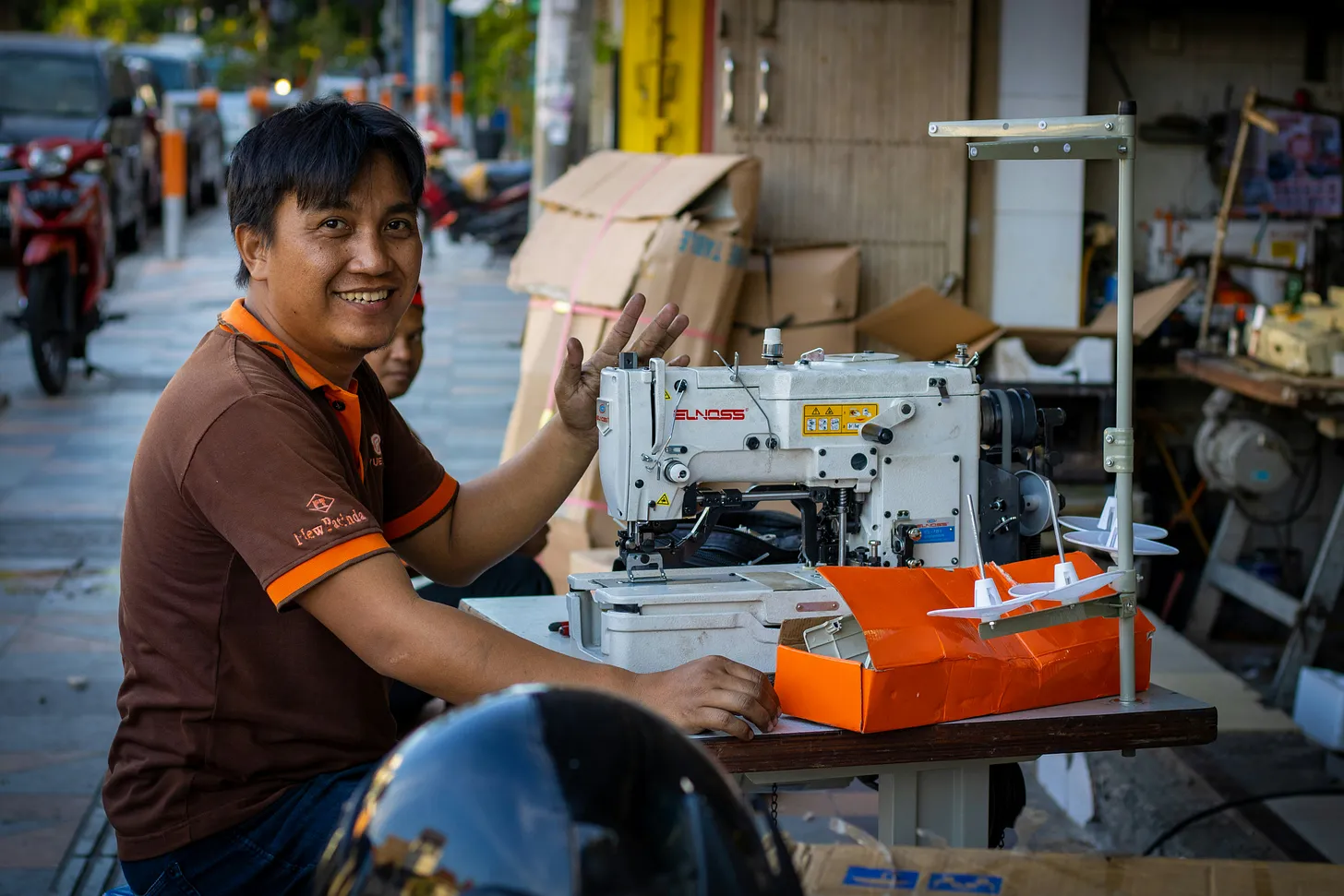
This week's step offers hope for your defunct possessions. Along the Goods pathway to sustainability—what we consume and what we do with materials when we're done with them—four strategies guide us: Buy Less, Choose Green Goods, Maintain and Reuse, and Manage Waste Wisely. Today we're exploring the Maintain and Reuse strategy, and the specific step is to find community repair help for broken items you can't fix yourself.
Why Repair Shops Barely Exist Anymore
A reasonable question: if people want things fixed, why don’t repair shops exist? The short answer is economics killed that option.
Remember cobblers? Shoe repair was once common in every town. Now the cobblers who remain struggle to earn a living. The same fate befell appliance, furniture, and clothing repair shops. With labor, parts, and overhead, repairing a $40 toaster costs $80. Replacing it costs $40. The math kills even the idea of repair.
The problem isn’t that repair technicians are greedy. Globalized manufacturing made new goods artificially cheap. Manufacturers compound the problem by designing against repair—proprietary screws, glued cases, parts not sold separately. The European Union's 2024 Right to Repair Directive (EU 2024/1799) represents progress, but the current reality is that many products are deliberately difficult to fix.
Repair cafés sidestep these economics. Volunteers donate their labor. Community spaces are provided rent free. No profit margin needed. “Uneconomic” repairs suddenly become possible.
More Than Economics: The Community Dimension
But something happens at repair cafés that professional shops couldn't offer even if the economics worked. Professional repair is a transaction. Community repair is a relationship.
You sit next to the person fixing your lamp. You watch, ask questions, maybe help. You meet the retired engineer, the teenager who taught herself electronics from YouTube, the seamstress who's mended clothes for fifty years. Skills transfer across generations. Relationships form. You leave with a working lamp and an expanded sense of what you might fix yourself next time.
This social dimension matters for sustainability beyond any single repair. Research shows sustainable behaviors spread through social networks—when you see neighbors composting, you're more likely to compost. Attending a repair café makes you more likely to attempt repairs at home and tell friends about the experience.
What about future home robots? They might eventually tighten screws, replace batteries, and run diagnostics. But repair requires improvising solutions and manipulating a huge variety of objects with skill, something that human hands are incredibly capable of doing, far beyond the ability of any robots yet invented. And even in the future when robots can fix things around the house, we'll still need neighbors who know each other's names.
Finding and Using a Repair Café
Dutch journalist Martine Postma started the first repair café in Amsterdam in October 2009, frustrated by watching fixable appliances get thrown away. Fifteen years later, nearly 4,000 operate across 37 countries.
The Repair Café Foundation maintains a directory at repaircafe.org/visit. Search "[your city] repair café" or "fixit clinic." Check your library's events calendar—libraries increasingly host these gatherings.
Bring your broken item, accessories it needs to function, and the model number if possible. Register early; demand often exceeds capacity. You won't just drop it off—you'll sit with the volunteer and participate. That's intentional.
Not everything can be saved. Electronics succeed about 53 percent of the time. But even failed attempts generate data about which products break and why—information that right-to-repair advocates use to push for better laws.
No local events? iFixit offers free repair guides for thousands of products. Reddit's r/fixit community troubleshoots problems. YouTube has become the world's largest repair classroom.
Building on This Step
This step connects to others along the Maintain and Reuse strategy. Our June 2025 article "Father's Day Sustainability" covers building your own repair skills. Our February 2025 piece "Share More, Own Less" explains accessing tools without buying them. Three complementary steps: find help, build skills, share equipment.
One Step This Week
To sum up, here’s this week’s step. Dig out those broken things and give them a chance for a second life. Find a repair café near you. Go to repaircafe.org/visit or search your city plus "repair café." If you find an upcoming event, register.
No local events? Pick one broken item and search for its repair guide on iFixit or YouTube. Spend twenty minutes learning whether you could tackle it.
Every item you rescue matters—for your wallet, for the volunteer network, for a world where fixing things becomes normal again.
References and Resources
Finding Repair Events
- Repair Café Foundation — Find Events — Directory of nearly 4,000 repair cafés worldwide
- The Restart Project — UK organization hosting Restart Parties
Online Repair Help
Research
- Open Repair Alliance 2024 Report — Data on 200,000+ repair attempts
- University of Surrey CO2 Research — Environmental impact findings