Forever Wild: How to Give Nature in Perpetuity
Why Conserve Habitat
American land trusts have protected 61 million acres—more than all our national parks combined—and your contribution can add to that legacy
A white-tailed deer steps cautiously through a meadow that might otherwise have been paved for a parking lot. Overhead, a red-tailed hawk circles brush spared from a bulldozer. These scenes play out daily across the American landscape—protected not by government decree, but by people like who decided that some natural places are worth saving.
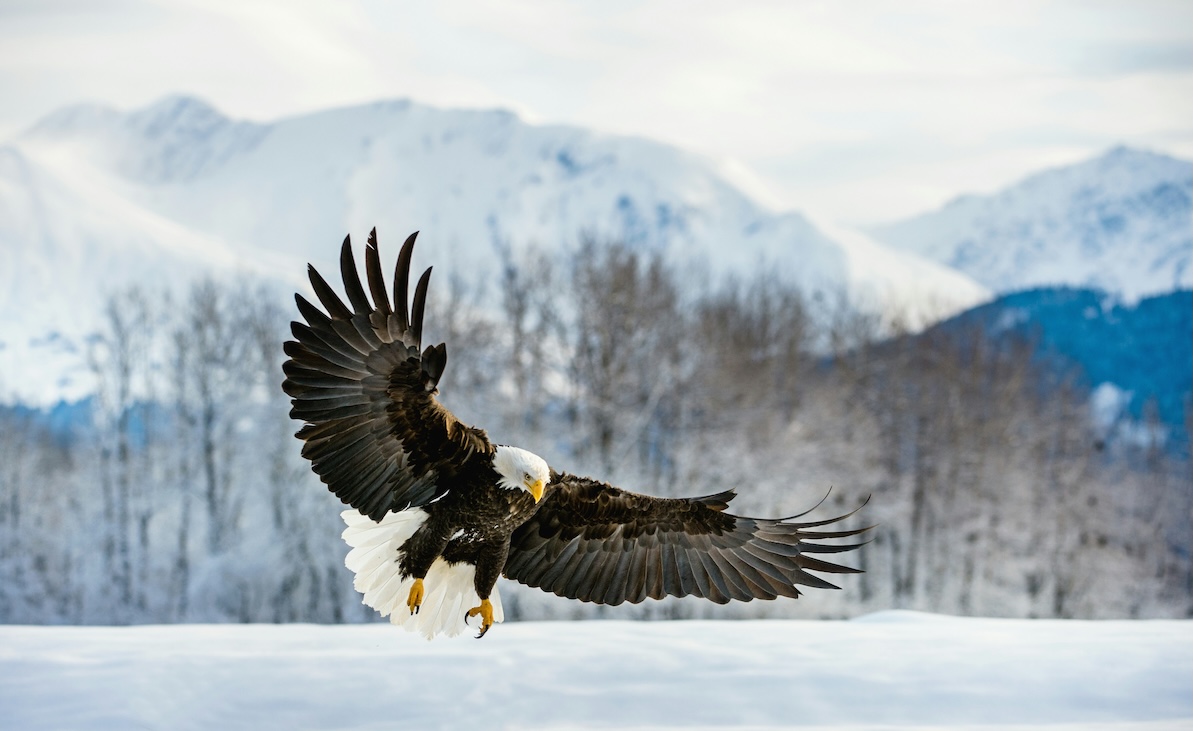
This week’s step is to give the world a gift of habitat conservation.
This holiday season, as families gather to pass down traditions and stories, a donation to protect natural land passes along something even older: the forests, wetlands, and meadows that sheltered our ancestors and will sustain our descendants.
The Habitat pathway focuses on buildings, land use, and nature itself. While we often think of conservation as saving charismatic species—wolves, whales, polar bears—the science points to a more fundamental goal of preserving biodiversity.
According to the World Wildlife Fund's 2024 Living Planet Report, monitored wildlife populations have declined by 73% on average since 1970\. The primary driver? Habitat loss and degradation, overwhelmingly caused by how we produce food and develop land.
Habitat protection works. A 2024 meta-analysis—the first comprehensive global review of conservation interventions—found that conservation actions improved biodiversity outcomes or slowed decline in 66% of cases studied. The world has set an ambitious target: protect 30% of land and water by 2030\. Currently, about 16% of land is protected. Closing that gap requires action at every level—including yours.
The Legal Magic of Conservation Easements
When you donate to a land trust, your money often funds something called a conservation easement—a voluntary, legally binding agreement that limits how land can be used.
Here's how it typically works: A landowner agrees to restrict certain uses of their property (such as promising not to destroy natural systems to construct roads and buildings) while retaining other property rights. The easement is recorded on a deed and "runs with the land," meaning it binds all future owners. A farmer might keep farming, a family might keep their woodland retreat, but no future owner can ever build on the land.
The land trust becomes the easement's guardian, visiting to ensure the terms are honored and bringing legal action if its terms are violated. This stewardship could continue forever—which is why land trusts need ongoing financial support, not just funds for initial acquisitions.
Conservation easements are customized to each property. A coastal easement might protect beach-nesting bird habitat while allowing sustainable forestry inland. A farm easement might preserve agricultural use while prohibiting conversion to housing developments. This flexibility makes easements attractive to landowners who want to protect their land's character without giving up ownership entirely.
The precise legal framework varies by state, but federal laws also play a factor. Landowners who donate easements may qualify for federal tax deductions, and by reducing their property's development value, easements can lower estate taxes—allowing families to retain land ownership for generations.
Finding an Organization Worth Your Trust
Not all conservation organizations operate with equal rigor. Here's how to identify those that do.
Look for accreditation. The Land Trust Accreditation Commission independently evaluates land trusts against national standards covering financial accountability, governance, and land stewardship practices. Only 478 of America's 1,281 land trusts have earned this seal—and accreditation requires renewal every five years, ensuring ongoing accountability. Check charity ratings. Charity Navigator evaluates nonprofits on financial health, accountability, and transparency. Many top land trusts score above 95%. Consider local impact. Since 2015, 70% of growth in protected lands has come from local and state land trusts. These organizations may enable you to protect what you know and love—the woodlot where you learned to identify birds, the stream where your kids catch tadpoles. To find local land trusts: Visit the Land Trust Alliance at www.landtrustalliance.org, which maintains a searchable database by location. The Land Trust Accreditation Commission offers a map of accredited organizations at www.landtrustaccreditation.org. National organizations with broad reach:- The Nature Conservancy operates in all 50 states and over 70 countries
- Trust for Public Land focuses on creating parks and protecting land in and near communities
- The Conservation Fund emphasizes sustainable forestry and working landscapes
Your One Step This Week
This week, take 15 minutes to find and research a land trust protecting habitat you care about. Use the Land Trust Alliance's database to identify local options, then verify their accreditation status and charity ratings. When you give to a land trust, you're not just writing a check. You're signing your name to a legal document that will still be protecting wild places when your great-grandchildren walk those trails. That meadow where the deer steps carefully through morning mist? It will remain only if someone decides it should. This week, that someone could be you.
---
For deeper guidance on habitat protection and the other six pathways to sustainability, explore www.suspra.com.References and Resources
Finding Land Trusts
- Land Trust Alliance: https://landtrustalliance.org
- Charity Navigator: https://www.charitynavigator.org
Scientific Research
- WWF Living Planet Report 2024: https://livingplanet.panda.org
- "The effectiveness of conservation interventions" (2024 meta-analysis): https://www.science.org/doi/10.1126/science.adj6598
National Conservation Organizations
- The Nature Conservancy: https://www.nature.org
- Trust for Public Land: https://www.tpl.org
- The Conservation Fund: https://www.conservationfund.org
- American Farmland Trust: https://farmland.org
- Ducks Unlimited: https://www.ducks.org
Understanding Conservation Easements
- Land Trust Alliance Easement Basics: https://landtrustalliance.org/what-you-can-do/conserve-your-land/conservation-easements