The Free Returns Trap: What Really Happens to the Stuff You Send Back
What the Return Label Doesn't Tell You
Nearly 10 billion pounds of returned merchandise end up in landfills annually—even products in perfect condition
That sweater didn’t fit quite right, so you printed the free return label, dropped the package at UPS, and felt virtuous knowing it would find its way to someone else’s closet. Except it probably won’t. That perfectly good sweater has a decent chance of ending up in a landfill—not because anything's wrong with it, but because it costs more to process than it’s worth.
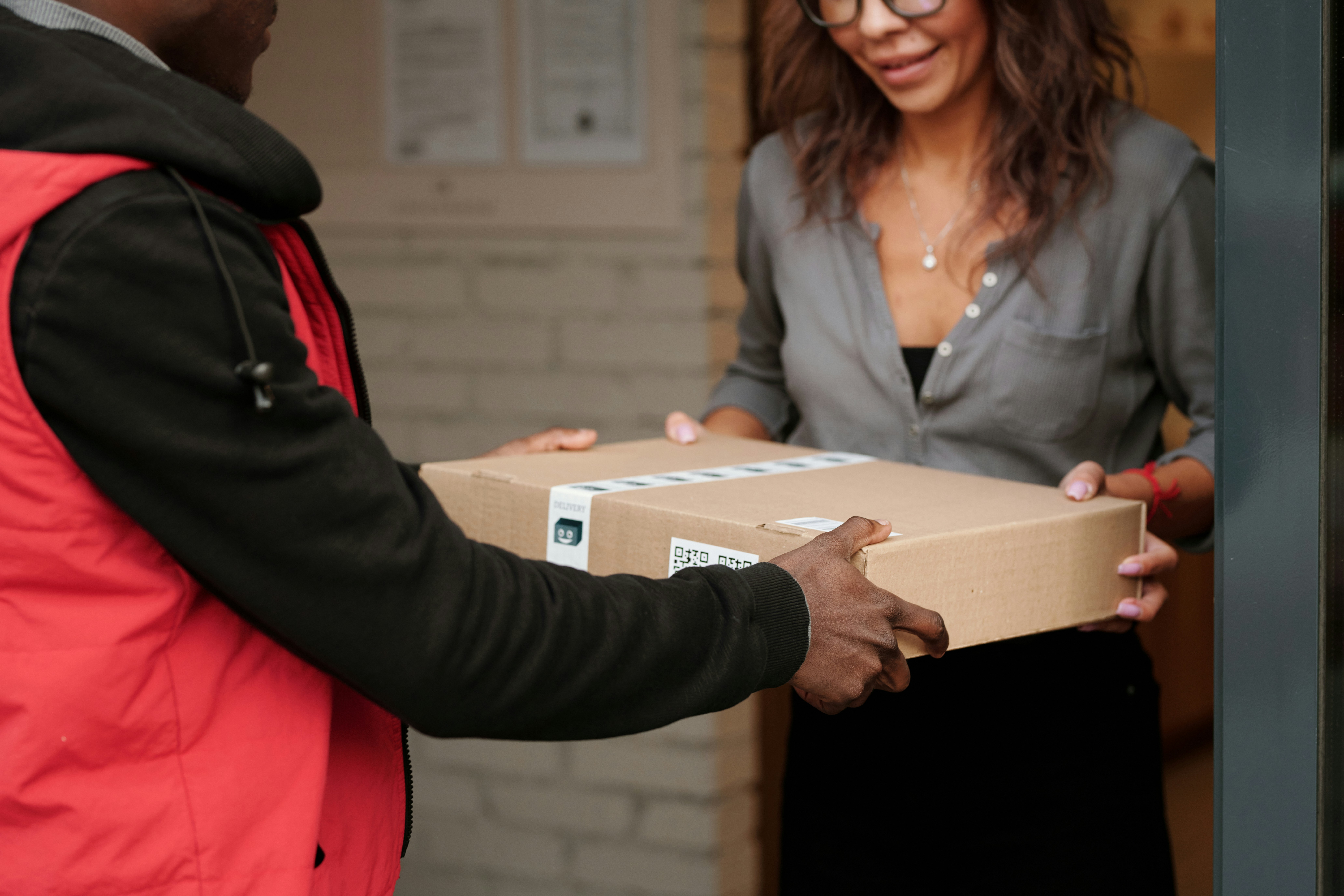
According to Optoro, a leading returns technology company, American retailers sent an estimated 9.5 billion pounds of returned merchandise to landfills in 2022\. That’s the weight of roughly 10,000 fully loaded Boeing 747s—aircraft full of functional clothing, electronics, and home goods, buried in the ground because the economics of reselling them don’t add up.
This week’s step along the Goods pathway asks you to develop one powerful online shopping habit: before clicking “add to cart,” pause and ask yourself, Am I certain I will keep this?
The convenience of free returns has become the unspoken contract of online shopping. The National Retail Federation reports that Americans returned $743 billion worth of merchandise in 2023—roughly equal to the entire GDP of Switzerland. But here’s what that cheerful “free returns!” promise obscures: only about half of returned items ever make it back to store shelves at full price.
Processing a single return can cost retailers between $10 and $40 per item. For a $25 shirt, the math is brutal: paying for return shipping, warehouse labor, inspection, and repackaging often exceeds any profit the item might generate. So companies make a perverse calculation—it’s cheaper to destroy perfectly good merchandise than to resell it.
The environmental toll extends far beyond the landfill. Every return journey doubles the carbon footprint of a purchase. A dress ordered from a warehouse in Kentucky, shipped to Maine, then returned to a processing center in Nevada has traveled thousands of miles in diesel-burning trucks—only to potentially become waste. Optoro estimates that U.S. returns generate approximately 24 million metric tons of carbon dioxide emissions annually, equivalent to the yearly emissions from about 5 million cars.
The Bracketing Epidemic
Retailers have a name for the practice of ordering multiple sizes or colors with the intention of returning most of them: bracketing. And it’s become standard shopping behavior.
According to Narvar’s 2022 State of Returns study, 63 percent of American consumers now bracket at least some of their online purchases—up from 40 percent just five years earlier. Among Gen Z shoppers, that figure climbs higher still, with roughly half routinely ordering items they plan to return.
Free returns policies, originally designed to remove purchase hesitation, have inadvertently created a system where overconsumption is built into the buying process. If you order three sizes of jeans and return two, you haven’t made just one purchase—chances are you’ve made three purchases and thrown two away.
The Goods Pathway: Sustainable Consumption
This article explores the Goods pathway, one of seven pathways to sustainability with a unique set of environmental impacts. When you consider goods you’re focusing on sustainable consumption, materials, and waste management—the choices you make about what tangible goods you buy, how long you keep them, and where they go when you’re done with them.
The most sustainable purchase isn’t the one with the greenest packaging or the most ethical supply chain (though those matter). It’s the purchase you're certain about. A single well-considered buy beats three “maybe” purchases every time—for your wallet, your closet, and our planet.
One Step This Week: The Sixty-Second Pause
Before your next online purchase, pause at the checkout screen. Take sixty seconds, a full minute, to ask three questions:
Do I know this will fit? Have you checked the size guide, read reviews from people with similar body types, or used the retailer’s fit technology? Most fit problems stem from skipping this step. Spending two minutes with a tape measure before ordering can prevent a return—and keep a garment out of a landfill. Am I certain I want it? If you’re already considering which items you’ll return, that’s a signal to close the tab. The mental math of “I’ll just try it and see” is the beginning of the waste stream. Would I buy this if returns weren’t free? This question cuts through the convenience fog. Free returns make every purchase feel reversible, but the environmental cost of that reversal is very real. Retailers can offer “free” returns because they don’t pay environmental costs.If the answer to any of these is “no,” step away and count a win for sustainability by avoiding a likely return.
Beyond the Pause
When you do buy online, a few strategies can reduce your return footprint further. Choose retailers who invest in accurate sizing technology—companies like Nordstrom, True Fit, and Stitch Fix have built systems specifically to help customers get it right the first time. If you must return something, return it in person when possible; this eliminates return shipping emissions and gets items back on shelves faster. And if you receive a “keep it” offer with your refund, take it so you can donate the item locally rather than shipping it back.
Consider also the fundamental question of whether you need new goods at all. Platforms like ThredUp, Poshmark, and eBay extend product lifecycles. When secondhand purchases don’t work out, you can resell them through the same channels rather than returning them to an algorithmic quagmire.
The Gift of Certainty
Shopping more deliberately isn’t just good for the planet—it saves you money and time. The seconds you spend reading reviews and checking measurements are minutes you won’t spend printing labels, taping boxes, and driving to drop-off points. Research in consumer psychology suggests that people who commit fully to purchases report higher satisfaction than those who rely on the return safety net. Choose something with intention, and you’re more likely to appreciate it.
That sixty-second pause at the checkout screen—that tiny interruption in the frictionless flow of e-commerce—is a powerful habit. The planet, and your future self, will thank you for developing it.
---
The Goods pathway to sustainability is one of seven covered in the Sustainable Practices Handbook. To explore all seven pathways—Community, Food, Water, Movement, Energy, Goods, and Habitat—visit www.suspra.com.---
References and Resources
Research and Statistics
- National Retail Federation: 2023 Consumer Returns Report — Annual data on return rates and economic impact
- Optoro: Returns Impact Data — Research on landfill waste, CO2 emissions, and returns logistics
- Retail Brew: The Environmental Cost of Returns — Analysis of returns waste and retailer responses
- Narvar — Data on bracketing behavior and consumer return habits
Sustainable Shopping Alternatives
- ThredUp — Online consignment for secondhand clothing
- Patagonia Worn Wear — Buy and sell used Patagonia products
- REI Re/Supply — Used outdoor gear marketplace
Fit Technology
- True Fit — Personalized fit recommendations across brands
- Fit Analytics — Size recommendation technology used by major retailers