Reclaim Your Mailbox: The Surprisingly Simple Path to a Junk-Mail-Free Life
Americans receive over 100 billion pieces of junk mail in their physical mailbox annually—but you can opt out and eliminate 90% of it
Picture this: you arrive home after a long day, open your mailbox, and instead of the usual avalanche of credit card offers, furniture catalogs you never requested, and “urgent” notices from companies you’ve never heard of, you find... nothing. Well, not nothing—just the handful of letters and packages you actually want. Your recycling bin stays emptier, your counters stay clearer, and you’ve just prevented dozens of pounds of unwanted paper from entering your home this year.
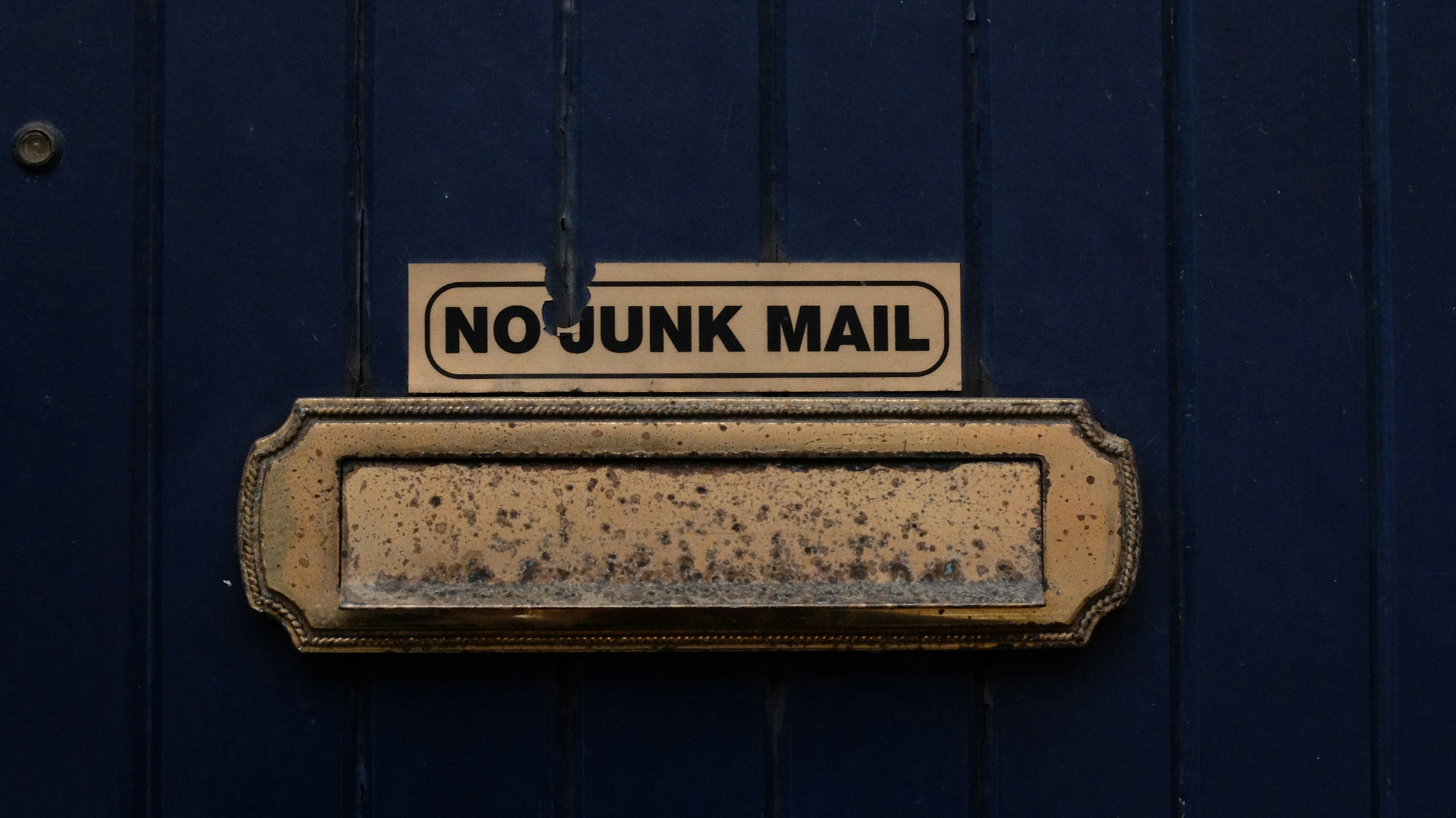
While junk mail might feel like an inevitable fact of modern life, the truth is you have more control than you think. The direct marketing industry has created straightforward opt-out systems that work remarkably well—they just don’t advertise them (for obvious reasons!). With a few simple actions, you can dramatically reduce the flow of unsolicited physical mail while making a measurable positive impact on the environment.
The Hidden Environmental Cost of Your Daily Mail
Before we dive into solutions, let’s understand the problem. The average American receives about 41 pounds of junk mail each year—roughly the weight of a four-year-old child made entirely of paper you don’t want. Multiply that by 330 million Americans, and we’re looking at over four million tons of junk mail annually in the United States alone.
Producing junk mail consumes enough trees to fill a line of logging trucks stretching from New York to Los Angeles. The process uses 28 billion gallons of water and produces pollution equivalent to 9 million cars driving for a year. Perhaps most frustrating: nearly half of junk mail is never even opened before going straight to recycling or landfills, making it one of the truest forms of resource waste in our consumer economy.
But unlike many environmental problems that require systemic change, this one is well within your individual power to solve. Every piece of junk mail you prevent from being printed saves not just paper, but all the energy, water, and transportation emissions associated with creating and delivering it. When you opt out, marketers remove your information from their lists. You’ll no longer be part of the problem.
Quick Start: The Three Essential Opt-Outs (15 Minutes to Freedom)
You can eliminate the majority of junk mail with just three simple registrations that you can knock out in just a few minutes today:
DMAchoice (Direct Marketing Association) - This is the big one. The Direct Marketing Association’s consumer choice program allows you to opt out of mail from thousands of companies at once. Visit DMAchoice.org and register your name and address. This single step reduces junk mail by half for many households. You’ll need to renew your registration every ten years, so if you can’t remember the last time you opted out and you notice you’re getting more junk mail, it may be time to renew.
OptOutPrescreen.com - This official site, operated by the major credit bureaus, stops those “pre-approved” credit card and insurance offers that seem to multiply in your mailbox. You can opt out for five years online (which asks you to provide your Social Security number—yes, it’s legitimate) or permanently by mail. This is particularly important because these offers pose identity theft risks in addition to creating waste. Most people see results within five business days for electronic requests.
Catalog Choice - Even if you love catalogs, chances are you’ve received dozens you never requested. CatalogChoice.org is a free service that lets you select which specific catalogs or coupons you want to stop receiving. Simply search their database, click the catalogs you don’t want, and they’ll handle the opt-out requests. This is especially effective because many catalog companies share mailing lists—stopping one often reduces several.
Pro Tip: Take a photo of each piece of junk mail you receive for two weeks before opting out, then compare it to two weeks a few months later. The visual difference is incredibly satisfying and motivating.
Intermediate: Taking Control of Specific Mail Streams
Once you’ve tackled the big three, you can fine-tune your mailbox even further with these targeted strategies:
Charitable Organizations: If you’ve donated to nonprofits, you’ve likely noticed an increase in solicitations—not just from that organization, but from dozens of others. This happens because charities frequently trade and sell donor mailing lists. When you donate, check the box for “do not share or sell my information.” For organizations already sending you physical mail, call or email their donor services department and request removal from their mailing list. Most nonprofits will honor this immediately, and you can still donate online where you control communication preferences.
Former Residents: Receiving mail for people who no longer live at your address? Write “Not at this address - Return to sender” on the unopened envelope and put it back in your mailbox. Do this consistently for three months, and the mail should stop.
Retailers and Companies: When making purchases online or in-store, always uncheck the boxes that say “send me special offers” or “keep me informed about new products.” For companies already sending you catalogs, visit their website and look for “Catalog Opt-Out” or “Communication Preferences” (usually in the footer). If you can’t find it, call their customer service number. Keep a simple spreadsheet of companies you’ve contacted so you can follow up if needed.
Real Estate Solicitations: “We Buy Houses!” and other real estate postcards can be particularly persistent. These often come from local investors and agents, not national lists. Search for the company online and contact them directly to request removal. Some states also have “Do Not Solicit” lists specifically for real estate marketing—check your state’s real estate commission website.
Advanced: Creating a Comprehensive Mail Management System
For those ready to minimize junk mail to nearly zero and help others do the same, these advanced strategies provide maximum impact:
PaperKarma App: This smartphone app lets you take a photo of unwanted mail, and it handles opt-out requests for you. While it costs money, it’s convenient for managing ongoing junk mail as new sources appear. The app maintains a history of everything you’ve opted out of, which helps you track your progress and ensure requests are honored.
Informed Delivery Dashboard: Sign up for USPS Informed Delivery, which emails you images of your mail each morning before it arrives. This not only helps you know what’s coming, but also lets you identify senders before paper ever enters your home. You can digitally preview mail and identify which companies to contact for opt-outs. Additionally, the USPS service offers opt-out options for some marketing mail directly through the dashboard.
Create a Mail Preference File: Set up a simple system to track your efforts to reduce junk mail. Each time you opt out of something, note the date, the company name, the method used, and the expected timeline for the opt-out to take effect. This documentation helps you identify which companies don’t honor requests (so you can follow up) and shows your environmental impact over time. Many people find that tracking their success motivates them to tackle additional opt-outs.
Paperless Billing and Statements: While not strictly “junk mail,” moving to paperless billing for utilities, credit cards, banks, and insurance dramatically reduces your overall mail volume. This also reduces the risk of mail theft for sensitive financial information. Set up a secure filing system for digital statements, and automate bill payments where possible.
Educate and Share: Once you’ve successfully reduced your own junk mail, share your knowledge. Show friends and family how easy it is. Organize a “Junk Mail Opt-Out Party” where neighbors help each other through the process. Some community groups and environmental organizations host workshops on reducing junk mail—consider leading one. The more people who opt out, the more pressure it puts on the direct marketing industry to reduce waste.
Expert: Systemic Change and Advocacy
Ready to go beyond your own mailbox and create a larger impact? These strategies address junk mail at a systems level:
Corporate Engagement: If you work for or own a business, evaluate your own marketing practices. Could you shift marketing dollars from direct mail to digital channels? If you must use direct mail, can you use recycled paper, vegetable-based inks, and partner with mailing list companies that honor consumer opt-outs promptly? Consider offering customers an easy opt-out mechanism right on your marketing materials.
Measure and Report Community Impact: Work with local environmental groups to quantify junk mail reduction in your community. Set up a “before and after” measurement system where participants weigh their junk mail for a month before opting out, then again six months later. Calculate the collective environmental savings (trees, water, emissions) and share these results with local media. Real numbers create compelling stories that inspire others to act.
Library and Community Resources: Partner with your local library to create opt-out resource stations with computers, instructions, and staff assistance for community members who need help navigating the opt-out websites. Many seniors and low-income households particularly benefit from this support, as they may face challenges accessing online opt-out systems or may be more vulnerable to mail scams that rely on marketing list data.
The Ripple Effect: How Your Action Multiplies
When you opt out of junk mail, you create change beyond your own mailbox. Direct marketing companies track opt-out rates carefully—when they see increasing numbers of people choosing not to receive mail, they shift strategies and resources. Your opt-out is a market signal that influences corporate behavior.
Not only does it protect our environment, but reducing junk mail frees up mental space and time. The average American spends many hours per year sorting through junk mail. That’s time you could spend on things you actually enjoy—or on other sustainability projects that matter to you!
Your Mailbox Liberation Challenge
This week, commit to keeping junk mail out of your physical mailbox. Completing just the DMAchoice registration is a significant first step. Take a few more steps, and within six months, you could reduce your junk mail by 90% or more. Your recycling bin will stay emptier, your counters will be clearer, and you’ll have eliminated many pounds of unwanted paper from entering your home—stopping waste at its source, which is the most effective form of environmental protection.
Every day after you opt out is a day you’ve made the world just a little bit better—one less tree cut down, one less gallon of water consumed, and one less pound of pollution emitted. Your mailbox is waiting to be a daily reminder of the difference you’re making for a better future.
References and Resources
Primary Opt-Out Services
DMAchoice.org - Official Direct Marketing Association consumer opt-out registry (covers thousands of companies)
OptOutPrescreen.com - Official site to stop pre-approved credit card and insurance offers (operated by credit bureaus)
Catalog Choice - Free service to opt out of specific catalogs, coupons, and phone books
Additional Tools and Services
PaperKarma App - Mobile app for managing junk mail opt-outs ($20/year)
USPS Informed Delivery - Preview your mail digitally each morning
Federal Trade Commission - Reducing Unwanted Mail - Official FTC guidance on stopping junk mail