Fall Gold: Turn Your Leaf Pile Into Next Year’s Garden Treasure
Americans generate 13 million tons of yard waste annually—but fall leaves are actually nature’s perfect composting ingredient, not waste at all
Which paints a prettier picture: your neighbors stuffing bags full of gorgeous autumn leaves, hauling them to the curb for municipal pickup, or you gathering this “waste” into a pile to transform into rich, dark compost that will feed your garden all next year? Those colorful leaves festooning your yard aren’t garbage to haul away—they’re a goldmine of carbon-rich material that forms the backbone of successful composting. As September gives way to October and trees begin their annual show in the northern hemisphere of planet Earth, you have a fleeting opportunity to gather one of nature’s most valuable composting ingredients, free for the raking and taking.
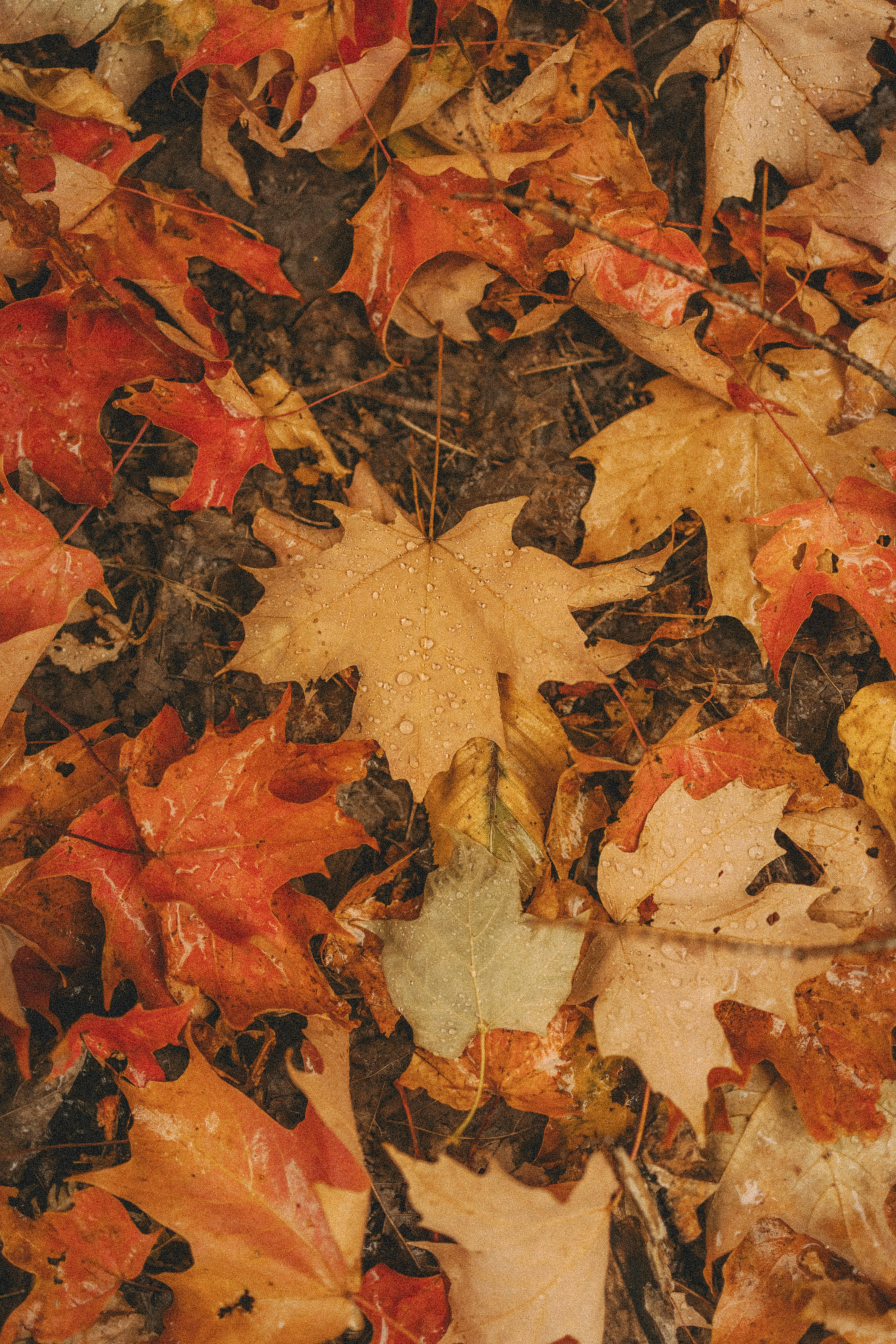
Leaf composting tidies your yard and keeps organic matter in a beneficial cycle to create a soil amendment that reduces your need for synthetic fertilizers and improves your garden’s ability to store carbon and manage water naturally. Composting is a natural process by which microorganisms convert a mixture of “greens” (organic materials rich in nitrogen) and “browns” (organic materials rich in carbon) into humus: a dark, crumbly material that resembles rich soil. For composting purposes, leaves are greens when they are still alive, but become browns when they die and dry out.
Quick Start: A Simple Leaf Collection System
Start Your “Brown Gold” Collection Now. While leaves are falling is a perfect time to gather an essential composting ingredient. Pile leaves in a designated area of your yard—ideally somewhere that won’t be in your way all winter but is accessible year-round. Don’t worry about moving every leaf into your pile; a light layer left on lawns or flower beds provides natural mulch and habitat for beneficial insects.
Create a Simple Leaf Storage System. Build a basic three-sided enclosure using chicken wire or snow fencing attached to wooden posts, or simply pile leaves in an out-of-the-way corner and cover with a tarp weighed down with rocks. Keeping leaves covered but with some air circulation will allow them to dry out and become “browns” for composting later. A 4x4 foot area can hold enough leaves to balance green food scraps from a family of four for an entire year.
Collect Strategically. Oak, maple, and ash tree leaves make excellent compost; leaves from black walnut trees and a few other species contain compounds that inhibit plant growth. You can compost them all, but consider separating your leaves if possible. The compost you make from walnut leaves is perfect for fertilizing walnut trees. You may also want to separate out diseased leaves or consider sending them to municipal composting, where high-temperature processing can kill pathogens. Pine needles can be composted, but break down slowly—use them sparingly or save them for garden paths where their slow decomposition is actually beneficial.
Start Mixing Immediately. If you’re already collecting and composting kitchen scraps, begin adding leaves to your compost pile right away, using roughly three parts leaves to one part food waste by volume. Chopping or shredding leaves will help them compost faster. Running over them with a mower works well to create smaller pieces that decompose faster, while still providing the carbon structure your compost needs.
Intermediate: Building a Winter Composting System
Plan for Cold-Weather Composting. Composting will slow and eventually come to a halt when temperatures drop below freezing. Your leaf collection now serves as the foundation for successful winter composting. Food scraps will continue accumulating through the cold months. Having adequate brown material stored ensures that you can cover the food scraps you collect and store throughout the winter. This layer of dry leaves on top deters pests, prevents foul odors, and maintains proper compost balance when warm temperatures return.
Diversify Your Brown Materials. Beyond leaves, start collecting other carbon-rich materials throughout fall and winter: newspaper, cardboard (remove tape and staples), paper towels, coffee filters, dryer lint from natural fabrics, and wood shavings from untreated lumber. Pizza boxes and egg cartons also work well.
Create a Winter Feeding System. Set up a system for continuing to add kitchen scraps during winter. This might mean keeping a small shovel near your compost area to bury food waste under leaves, or creating a simple wooden frame that allows you to layer materials easily, even in snow. In cold climates, consider a tumbler composter that you can empty in late fall and fill up over the winter months.
Advanced: Optimizing Your Leaf Composting System
Create Separate Collection Areas. Establish different zones for different types of organic matter: one area for disease-free leaves, another for kitchen scraps, and perhaps a third for garden trimmings. This allows you to control ratios more precisely and creates finished compost on different schedules throughout the year.
Process Leaves for Faster Decomposition. Whole leaves can take two years to break down, but processed leaves compost in 6-12 months. Run over leaves with a mower, use a leaf shredder, or put them in a garbage can and chop with a string trimmer. Smaller pieces have a larger surface area for microorganisms to work on, significantly accelerating decomposition.
Expert: Year-Round Organic Matter Management
Develop a Complete Nutrient Management System. Track the inputs and outputs of your composting system to understand how much finished compost you’re producing and how it’s affecting your garden’s soil health. Test your finished compost for nutrients and pH, and adjust your composting materials to optimize the final product for your specific garden needs.
Coordinate Community Leaf Collection. Organize a neighborhood leaf-sharing initiative where gardeners can collect leaves from neighbors who have already bagged them for disposal. Many communities permit this type of informal sharing, which dramatically increases access to brown materials while reducing municipal waste. Create simple flyers explaining how neighbors can participate in keeping organic matter local.
Integrate with Municipal Programs. Work with your local government to improve community composting options. Many municipalities that collect yard waste could easily modify programs to make finished compost available to residents, creating a circular system that benefits everyone. Advocate for community composting sites or expanded yard waste processing that returns nutrients to local gardens.
Scale Up Production Systems. If you’re managing large amounts of organic matter, consider more sophisticated systems, such as windrow composting, aerated static pile systems, or even small-scale commercial composting equipment. These approaches can handle larger volumes while producing consistent, high-quality compost for expanded garden areas or even small-scale community distribution.
The Science Behind Successful Leaf Composting
Carbon-Nitrogen Balance. Dry leaves are primarily carbon-rich “brown” materials that provide structure and energy for composting microorganisms. The ideal compost ratio is 25 or 30 parts carbon to 1 part nitrogen by weight, which translates to approximately equal volumes of browns and greens when you account for different densities. Leaves typically have carbon-nitrogen ratios between 30:1 and 80:1, making them perfect for balancing nitrogen-rich food scraps and garden trimmings.
Microbial Activity and Temperature. Proper composting relies on diverse communities of bacteria, fungi, and other microorganisms that break down organic matter while generating heat as a byproduct. Temperatures in an active compost pile can reach up to 160°F, which kills pathogens and weed seeds while speeding decomposition. Even in winter, a well-built large pile can maintain temperatures 30 degrees above ambient air temperature.
Seasonal Decomposition Patterns. While composting slows dramatically in winter, it may not stop completely. Psychrophilic (cold-loving) microorganisms continue working at near-freezing temperatures, and temperature fluctuations during winter thaws can restart more vigorous decomposition. Spring warming dramatically accelerates the process, often completing compost that was started the previous fall.
Beyond Your Backyard: Community Impact
Waste Reduction Benefits. Compostable yard waste typically accounts for between 15% and 20% of municipal solid waste streams, with leaves making up a significant portion during the fall months. When you compost leaves at home, you’re reducing the labor and energy required to collect, transport, and process this material while eliminating the pollution and traffic associated with trucking organic matter to distant processing facilities.
Soil Carbon Sequestration. Compost made from leaves and other organic matter enhances the soil’s ability to store carbon in the long term. Healthy soil can sequester significant amounts of atmospheric carbon dioxide, mitigating climate change while improving garden productivity.
Water Quality Protection. Amending soil with humus (the result of a successful composting process) improves water retention and reduces the need for synthetic fertilizers. This double benefit protects waterways from both waste management impacts and agricultural runoff while building more resilient local growing systems.
Common Challenges and Solutions
Too Many Leaves, Not Enough Greens. If you have abundant leaves but limited food scraps or garden waste, store excess leaves for use throughout the next growing season. Bagged leaves can be added to compost as needed, used as mulch around plants, or incorporated into garden beds as a soil amendment. Ask neighbors for their food scraps if your area allows for informal sharing of organic matter.
Slow Winter Decomposition. Cold weather naturally slows down composting, but you can help maintain activity by insulating your pile with extra leaves or straw, building larger piles that retain heat more effectively, or using a tumbler system that retains heat and moisture. Don’t worry if your pile seems inactive during the coldest months—spring warming will restart vigorous decomposition.
Matted or Slimy Leaves. Whole leaves can form impermeable mats that exclude air, creating anaerobic (oxygen-free) conditions. Prevent this by shredding leaves before composting, mixing them thoroughly with other materials, or turning your pile regularly to maintain air circulation. If the leaves become matted, fork through the pile to break up the layers and add coarse materials, such as small twigs, to improve the structure.
Your Fall Action Plan
The window for collecting quality leaf materials is short—most trees drop their leaves within a six-week period. This week, scout your neighborhood for leaf sources and begin your collection system.
Start simple: designate a corner of your yard for leaf storage, gather a few bags or bins for collection, and begin mixing leaves with any kitchen scraps you’re already composting. If you’re not composting yet, fall is the perfect time to start, as abundant leaf material makes it easy to maintain proper ratios throughout the winter.
Colorful leaves this fall represent next year’s garden fertility, captured for free during nature’s most generous season. Every leaf you compost at home is organic matter that stays in your local ecosystem, improving your soil while reducing waste and preventing pollution by keeping unnecessary trucks off the road. By spring, autumn leaves will have transformed into dark, rich humus that helps every seed you plant grow stronger.
References and Resources
Composting Basics and Leaf Management
EPA Composting At Home - Federal guidance on home composting methods and materials
Cornell Waste Management Institute: Composting - Science-based composting research and best practices
University of Illinois Extension: Composting for the Home Gardener - Comprehensive guide including seasonal considerations
Municipal Programs and Community Resources
US Composting Council - Industry standards and community program development
Institute for Local Self-Reliance: Community Composting - Policy guidance and community program models
EPA WasteWise: Yard Trimmings - Municipal waste reduction statistics and strategies