Fall Into Efficiency: Your HVAC Tune-Up Guide for a Sustainable Home
One simple task you can do today could save you 10% on your winter heating bills
Sustainable Practice is coming to you this morning from the Common Ground Country Fair in Unity, Maine, where Fred Horch is giving presentations on solar charging and composting, and Peggy Siegle is talking about sustainability at Sustainable Practice’s booth. Sustainable Practice is introducing its new book, Your Earth Share: Seven Pathways to Sustainable Living, this weekend. It’s 102 pages of exceptional actions and it makes a great gift for your sustainable friends (but be sure to keep one for yourself!) You can buy the e-book from Leanpub.com or the e-book and paperback from Amazon. Soon IngramSpark will also make Your Earth Share available. Watch for availability options at Sustainable Practice’s website https://www.sustainablepractice.life. Short topic booklets are being introduced and you can also buy our Handbook, released earlier this year.
Your heating and cooling system is about to get a breather as the seasons turn. That “out-of-sight, out-of-mind” metal box in your basement or the outdoor unit getting covered in leaves is either ready to keep you comfortable efficiently, or it's about to waste energy, money, and potentially fail when you need it most. A few hours of maintenance now can save energy when it counts most, extend your system's life by years, and move you closer to sustainable, solar-powered comfort.
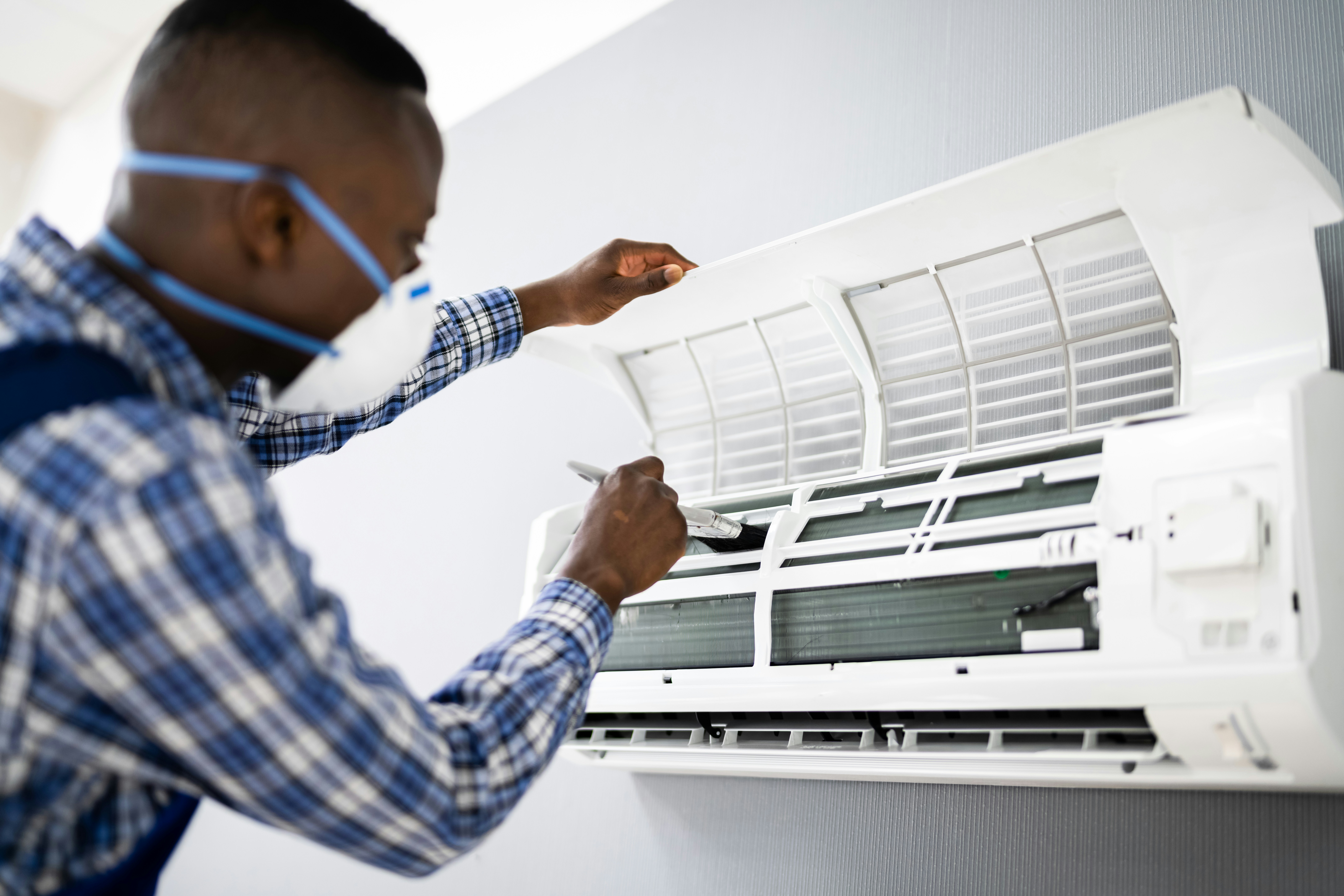
September and October are the sweet spots for heating-ventilation-air-conditioning (HVAC) maintenance—your cooling needs are winding down but the heating season hasn't truly begun, giving you time to address issues without emergency service calls.
Why HVAC Maintenance Matters More Than Ever
Beyond comfort and cost savings, maintaining your HVAC system is environmentally consequential, especially if you own an air conditioner or heat pump that uses refrigerants with global warming potential thousands of times greater than carbon dioxide.
The refrigerant landscape is changing rapidly. Older R-22 (Freon) systems, phased out due to ozone depletion, gave way to R-410A, which itself is being phased down for more climate-friendly options like R-32, R-454B, and R-744. A poorly maintained system can leak these refrigerants, and just one pound of R-410A released equals the climate impact of driving a fuel-burning car 2,000 miles. Proper maintenance prevents these leaks while ensuring your system runs efficiently until you're able to upgrade to more sustainable technology.
Your Pre-Winter Maintenance Checklist
Start with what you can safely do yourself:
Change or clean filters monthly during heavy-use seasons. This single task can reduce energy consumption by 10% or more. Mark your calendar or set phone reminders—clogged filters force systems to work harder, wasting energy and shortening equipment life. Washable filters last for years, but they are not more sustainable than disposables if you don’t wash them!
Clear outdoor units of debris. Remove leaves, grass clippings, and vegetation within two feet of heat pumps or AC condensers (the part of the system located outdoors). These units need airflow to function efficiently. If you look into an outdoor unit, you should see fins on a heat exchanger. Gently rinse the fins with a garden hose (never use a pressure washer—you might damage the delicate fins).
Check and clean indoor vents and registers. Vacuum dust from vent covers, and check to make sure furniture isn't blocking airflow. Blocked vents in even a few rooms can increase system pressure, reducing efficiency and potentially damaging equipment.
Test your thermostat. Switch between heating and cooling modes to ensure both respond. Upgrading from a “dumb” to a “smart” thermostat is a wise way to boost your energy efficiency (see our previous article, Turn Your Home into an Energy-Saving Genius: The Smart Revolution).
There’s one more thing you might be able to do, but might also be better left to a professional: cleaning your condensate drains. In cooling mode, indoor units produce condensation, which needs to drain. Often, mold or mildew grows in the condensate drain line, blocking it and causing intermittent wet spots to appear in walls or ceilings as condensate water backs up and overflows. Check the owner’s manual of your air conditioning or heat pump unit to see if it provides instructions you can follow to check those drains and keep them draining properly.
Once you’ve done what you can, time to call in the professionals:
Refrigerant level checks and leak detection
Electrical connection inspection and tightening
Combustion safety checks for gas systems
Heat exchanger inspection for cracks
Blower motor and belt adjustment
System-Specific Maintenance and Upgrade Paths
Natural Gas Furnaces
Current maintenance: Annual professional inspection is crucial—cracked heat exchangers can leak deadly carbon monoxide. Change filters per manufacturer recommendations. Keep the area around your furnace clear of combustibles.
Your upgrade path: If your furnace is excessively wasteful (i.e., wastes at least 20% of the money you spend to run it, resulting in an 80% or lower annual fuel utilization efficiency), replace it with a heat pump. Don’t continue to waste your money sending gas and heat directly up a flue pipe instead of doing anything to keep you warm–and certainly don’t pay money to repair or extend the life of a furnace that wastes your money and pollutes our planet every time it runs!
Propane Systems
Current maintenance: Similar to natural gas but requires monitoring fuel levels. Many propane users already understand backup heating—you don't want to run out during a cold snap. Annual service should include regulator inspection and leak testing of tanks and connections.
Your upgrade path: Heat pumps offer immediate savings and eliminate fuel delivery concerns. It’s easy to keep your propane system as an emergency backup while transitioning primary heating to a heat pump, then eventually remove your propane entirely once you’re sure your heat pumps can do the job.
Oil Heating Systems
Current maintenance: Oil systems need annual professional service even more than gas—soot buildup drastically reduces efficiency and can cause catastrophic system failures. Replace oil filters and nozzles annually, and have your tank inspected for leaks. If you smell oil or see stains near your tank, call for immediate service.
Your upgrade path: Oil heating is inconvenient (due to how oil must be delivered by tanker trucks) and expensive, so each year fewer people continue to use it. Since oil systems often need expensive tank replacements every 15 to 20 years, this presents a perfect conversion opportunity. Heat pumps eliminate oil delivery dependence and inconvenience, and environmental hazards from tank leaks. Many states offer significant rebates for oil-to-heat-pump conversions—check the Database of State Incentives for Renewables & Efficiency.
Electric Resistance Heating
Current maintenance: Electric baseboard or forced-air systems need minimal maintenance—just regular cleaning of heating elements and ensuring adequate airflow. However, they're expensive to operate. Compared to heat pumps, for the same heat output, they require you to spend four times as much on electricity.
Your upgrade path: You're already all-electric, just inefficiently so! Heat pumps are your obvious next step, potentially saving you three out of every four dollars you spend on heat. Since you already have an electric infrastructure, installation is often simpler than for fossil fuel conversions. You probably already have an electrical panel and wiring big enough to handle all the heat pumps you’d ever want.
Heat Pumps: The Sustainable Star
Current maintenance: Heat pumps need bi-annual service—they work year-round, after all. In the fall, focus shifts from cooling to heating mode preparation. As we detailed in our article on heat pump efficiency, these systems move heat rather than create it. This basic physical principle is what gives heat pumps the efficiency edge over all other heating technologies.
Unique maintenance needs:
Clean both indoor and outdoor coils annually
Check defrost cycles before winter
Verify refrigerant charge is correct for both heating and cooling
Clear drainage lines that can clog from year-round use
Check backup heat strips aren't running unnecessarily
Smart heat pump systems can self-diagnose many issues, alerting you through apps when filters need changing or efficiency drops. Some even predict maintenance needs based on runtime patterns.
Climate Zone Considerations
Northern climates: Focus fall maintenance on heating systems, but don't neglect cooling—dirty AC coils become dirty heat pump coils. Ensure emergency heat sources work (backup heat strips, secondary systems) before the first cold snap.
Southern climates: While heating might seem less critical, humidity control is vital year-round. Maintain your system's dehumidification capabilities by ensuring proper refrigerant charges and clean coils. Even in warm climates, heat pump heating is more efficient than electric resistance backup strips.
Moderate climates: You have the best opportunity for heat pump success—modern systems work super efficiently in your temperature range year-round. Focus on optimizing changeover settings between heating and cooling seasons.
When Systems Fail: Emergency Response
If your system fails despite maintenance:
For loss of a heating system:
Close off unused rooms to concentrate heat
Open curtains during sunny days, close them at night
Use safe electric space heaters in occupied rooms only (never unvented combustion heaters indoors)
Layer clothing and use blankets before raising emergency heat settings
Check our article on passive heating strategies
For loss of a cooling system:
Use fans to create air movement (ceiling fans should rotate counterclockwise)
Close blinds during the day, open windows at night if temperatures drop
Minimize heat-generating activities (cooking, dryers) during peak heat
Create cross-ventilation by opening windows on opposite sides of your home
Review our guide on sustainable cooling without AC
Your Path to Solar-Powered Comfort
The ultimate sustainable HVAC system combines an efficient heat pump with electricity generated from sunshine. Here's your roadmap to this achievable destination:
Immediate: Maintain your current system properly to minimize the chance that you have to make an emergency purchase for replacement if it breaks
Next season: Install a smart thermostat if you haven't already
Within two years: Conduct an energy audit to identify envelope improvements (see our DIY energy review guide)
At replacement time: Choose a high-efficiency heat pump
Following year: Add solar modules to power your efficient system
Eventually: Decommission fossil fuel systems once confident in your heat pump performance, and install batteries to store electricity for year-round use
Take Action This Week
Your HVAC system is an energy hog, an efficiency champion, or something in between—maintenance can make the difference. This week, make a plan to change your filter, schedule professional service if you haven't this year, and clear debris from outdoor units. While you're at it, research heat pump options for when your current system needs replacement. Every degree of improved efficiency, every prevented breakdown, and every step toward electrification brings us closer to homes that tread lightly on Earth while keeping us perfectly comfortable. The path from wasteful heating to solar-powered comfort starts with simple maintenance today.
References and Resources
HVAC Maintenance and Efficiency
Department of Energy: Maintaining Your HVAC Equipment - Federal guidance on system maintenance
Refrigerants and Environmental Impact
EPA Refrigerant Management - Information on refrigerant phasedowns and regulations
Environmental Investigation Agency Refrigerant Climate Impact - Global warming potential of various refrigerants
Heat Pump Resources
Northeast Energy Efficiency Partnerships Cold Climate Heat Pump List - Database of cold-climate suitable heat pumps
Rewiring America Heat Pump Guide - Incentive calculator and installation guidance
Incentives and Rebates
Database of State Incentives for Renewables & Efficiency - Comprehensive database of energy efficiency incentives