Nude Food: For Back-to-School or Workday Lunches
Go from hundreds of disposable wrappers per year to zero with a thoughtful approach to packing lunch
That satisfying snap of a quality lunch container closing, securing a colorful array of fruits and vegetables—it’s a small sound that signals something bigger. You’re ready for the day, keeping money in your pocket rather than spending on takeout, and eliminating unnecessary trash to toss. As millions of students head back to school and workers settle into fall routines, September is a great time of year to up your sustainability game for midday meals.
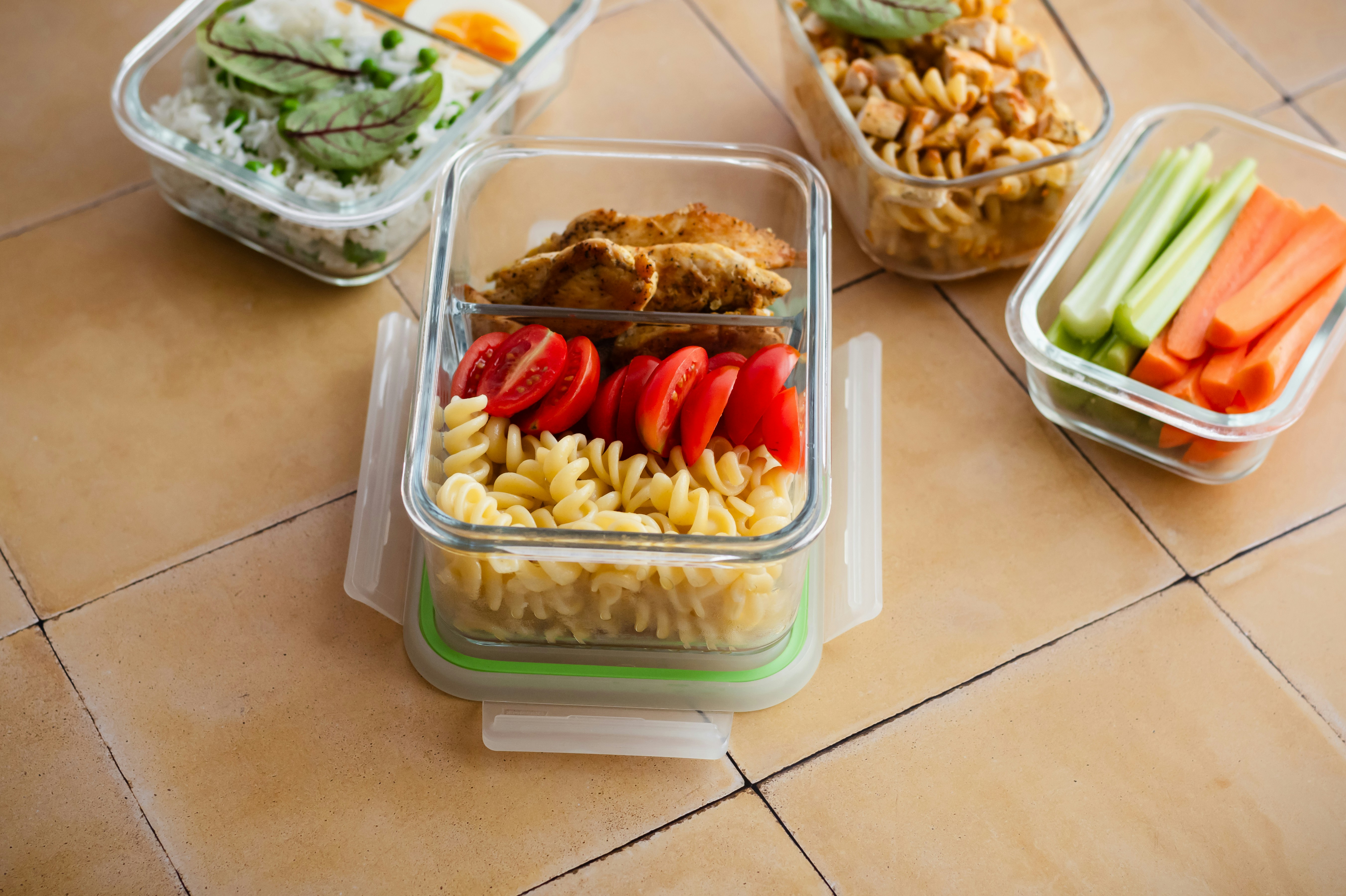
“Nude food”—a term popularized in Australia for fruits, vegetables, and other food without disposable packaging—isn’t just about picking up more produce. It’s also about creating systems that make healthy, package-free eating the easy choice, even on your busiest days. Here’s your practical roadmap to make food au naturel your daily habit.
Quick Start: Set Up Your Foundation (This Week)
Invest in the right containers immediately. Long-term success hinges on having containers that make nude food more convenient. You need three types: a main lunch container with compartments (like PlanetBox or Bentgo), small containers for wet foods like hummus or apple slices (four small glass or stainless steel containers), and produce mesh bags to use for shopping and as a “boomerang bag” to bring back peels, pits, and other compost in your lunch box. Budget around $80 for a complete family setup—this investment will more than pay for itself.
Relish the weekly routine. Every successful nude food family has a weekly preparation ritual. Spend half an hour once a week washing and cutting vegetables, portioning nuts and seeds from bulk buys into small containers, and preparing delicious dips and spreads. Store cut vegetables in glass containers with a damp paper towel in your refrigerator to maintain freshness for the whole week. Regularly prepping on a weekly schedule helps avoid the daily decision fatigue that derails good intentions.
Start with your family’s favorites in nude form. Focus on eliminating waste, not revolutionizing diets. If your kids love goldfish crackers, pack cheese cubes and whole grain crackers as a nude alternative–they have a similar taste. Love fruit snacks? Try dried fruit from a bulk bin. If the switch to nude food feels like upgrading rather than restricting, you’ll dramatically improve the chances of acceptance and eventually change preferences.
Track your trash for baseline measurement. To visualize the positive impact you can have, spend one week collecting and then photographing your food packaging waste. Some families discover they’re generating dozens of pieces of disposable trash daily; other families find they are already almost achieving the goal of zero pieces of disposable lunch trash.
Intermediate: Build Sustainable Systems
Develop your “nude food shopping” strategy. Create a standard shopping list divided into sections: produce (buy loose, bring mesh bags), bulk bins (nuts, seeds, dried fruit), deli counter (cheese, olives), and bakery (bread without plastic bags). Bring your own containers to the deli counter—most stores accommodate this request happily. Aim to shop the perimeter of the store first, where nude foods can be found. Or shop at a local farmers market, where nude foods naturally live.
Create “assembly stations” at home. Set up dedicated areas for quick meal assembly: a fruit bowl that’s restocked weekly, a container of washed and cut vegetables in the refrigerator, and a “snack station” with portioned nuts, seeds, and dried fruits in glass jars. Make healthy options visible and immediately accessible. Convenience is king when it comes to snacking and packing!
Establish the “Friday test.” Every Friday, evaluate the week’s success by counting food packages in your trash and noting which nude foods were consumed versus wasted. Successful nude food families waste less food because they’re more intentional about purchases and preparation.
Learn food storage techniques that extend freshness. Store apples and citrus fruits at room temperature, keep berries unwashed until use, store cut vegetables in water to maintain crispness, and freeze ripe bananas for smoothies. Understanding proper storage prevents waste and makes nude food economically viable even for those on limited budgets.
Build flexibility with “backup nude foods.” Always have emergency options available: nuts and seeds don’t spoil quickly, hard-boiled eggs last a week in the refrigerator, and apples and carrots stay fresh for weeks. When your first choice isn’t available or you’re running late, backup options prevent reverting to packaged convenience foods.
Advanced: Create a Complete System
Develop seasonal eating patterns. Plan nude food choices around what’s abundant and affordable locally. Summer emphasizes fresh berries, stone fruits, and raw vegetables. Fall features apples, pears, and nuts. Winter focuses on citrus fruits and hardy vegetables like carrots and radishes.
Partner for bulk purchasing. Organize with neighbors or coworkers to buy large quantities of nuts, seeds, and seasonal produce together. Split a 25-pound box of apples among four families, or share bulk bin purchases of nuts and dried fruits so you can enjoy the benefits of bulk buys but still eat your portion before it spoils or goes rancid.
Master preparation techniques. Learn to make energy balls from dates and nuts, overnight oats with fresh fruit, homemade trail mix combinations, and vegetable-based dips that last a week. You can transform basic ingredients into convenient, satisfying foods that outperform any packaged equivalent in taste, nutrition, and cost.
Build relationships with local food producers. Connect with farmers markets, CSA programs, or local orchards to access nude food directly from growers. Bring your own containers and ask about buying imperfect produce at discounted prices.
Overcoming Common Obstacles
“My kids won’t eat healthy food.” Start with familiar foods in nude form rather than introducing entirely new items. Require your children to help with Sunday prep—kids are more likely to eat foods they’ve helped prepare. Make nude foods the easiest option available by keeping them visible and accessible while storing packaged alternatives out of sight.
“Fresh food spoils before we eat it.” Start with smaller quantities and practice better storage techniques. Focus on foods with longer shelf lives, such as apples, carrots, nuts, and hard-boiled eggs. Buy delicate items like fresh berries only when you have specific plans to use them.
“It takes too much time.” Systems create efficiency. A well-organized Sunday prep session eliminates daily decision-making and actually saves time throughout the week. Invest 30 minutes of weekend preparation to reduce daily lunch-packing time to 5 minutes or less.
“It’s more expensive.” Compare per-serving costs: bulk nuts cost less than packaged trail mix, seasonal produce costs less than processed alternatives, and foods that satisfy hunger longer provide better value.
Your Nude Food Launch Plan
This week, check off three things from your list: proper containers for your family size, mesh produce bags for shopping, and a week’s worth of nude foods you already know your family enjoys. Invest an hour on a day you’re not super busy, setting up your prep routine and storage systems, so you’ll save lunch packing time on busier days.
Set your long-term goal to eliminate all disposable food wrappers in your packed lunches. Track your progress and adjust your approach based on what works for your family’s schedule and preferences. Most households find that nude food becomes the obvious choice within a month once systems are established.
The satisfaction of opening a lunch container filled with vibrant, fresh food instead of crinkly plastic packages is immediate and lasting. Every nude food choice supports both your family’s health and our planet’s wellbeing—another example that sustainable practices that benefit everyone are personally rewarding too.
References and Resources
Practical Implementation Guides
How to Pack a Nude Food Lunch Box - Ideas for kids’ school lunches
10 Simple Tips for Packing a Zero-Waste Lunch - From the author of Zero Waste Chef
Food Storage
USDA FoodKeeper App - Official food storage recommendations for maximum freshness
Food Storage Techniques - Techniques for extending produce freshness from epicurious
Local Food Systems
LocalHarvest Directory - Find farmers markets, CSAs, and local food producers
Containers and Bags
Bentgo Lunch Boxes - BPA-free compartmentalized containers for children
PlanetBox Lunch Containers - Stainless steel compartmentalized lunch boxes
What are the best reusable produce bags? - A review of seven types of reusable produce bags