Preserving the Harvest: Your Guide to Sustainable Food Storage
Americans throw away nearly 60 million tons of food annually, with fruits and vegetables making up more than one-third of that waste.
Picture yourself in January, opening a glass jar of summer tomatoes you preserved yourself—their rich flavor bursting with August sunshine, no plastic packaging clouding the view. Or imagine reaching into your freezer for perfectly preserved berries you bought at peak season for a fraction of their February price, stored in reusable silicone containers instead of disposable plastic bags. Preserving food for the winter isn't nostalgia for a bygone era—it's a practical skill that can save you money while eliminating plastic waste and ensuring you eat nutritious, locally-grown food year-round.
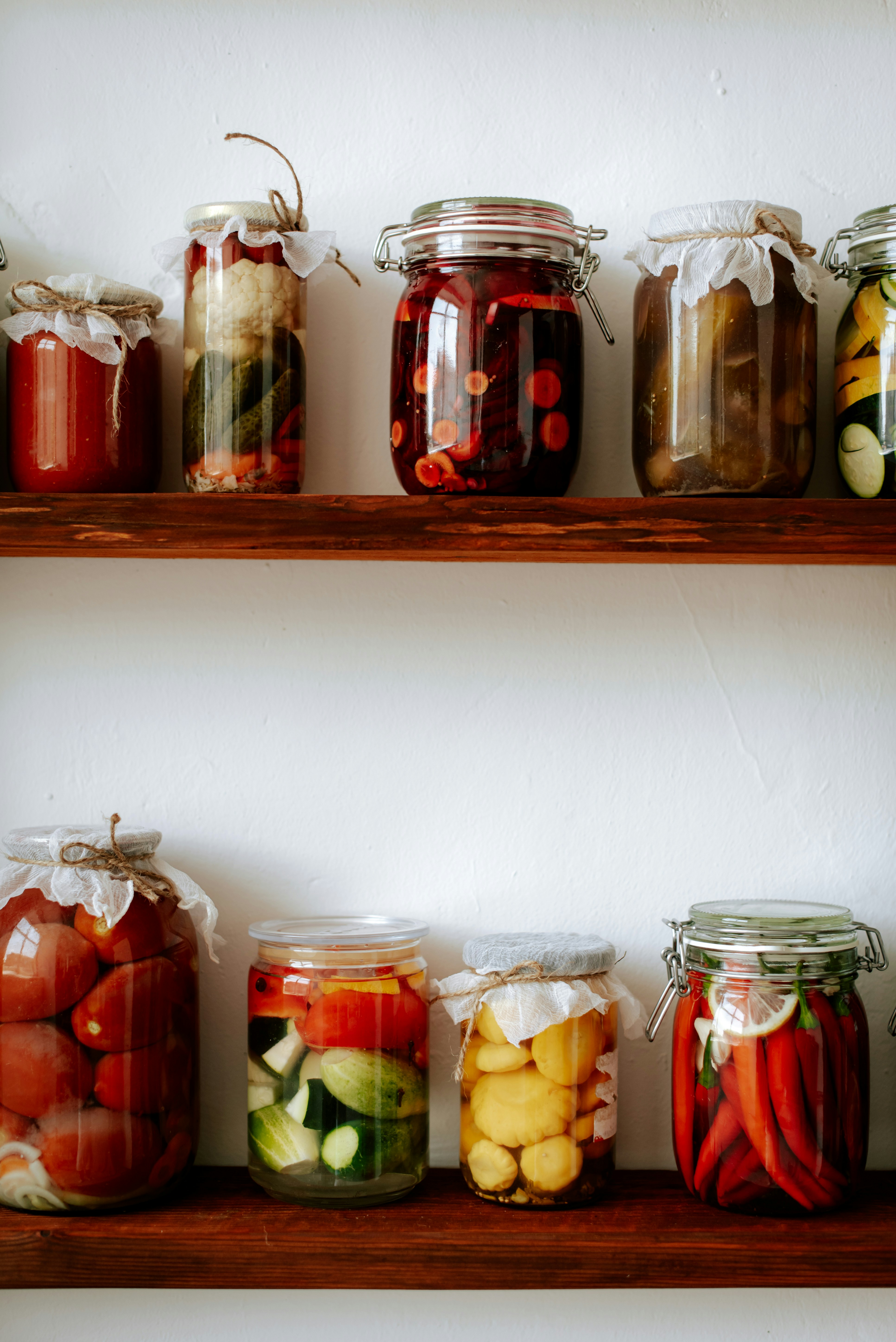
Americans throw away nearly 60 million tons of food annually, according to 2025 EPA estimates, with fruits and vegetables making up more than one-third of that waste. Meanwhile, we spend premium prices on out-of-season produce that's traveled thousands of miles, losing nutrients along the way. This week's step puts you on a better path: learning time-honored techniques of food preservation using sustainable, reusable containers to maximize your positive impact on our planet.
The Hidden Costs of Modern Food Storage
Before exploring solutions, let's acknowledge the elephant in the room: plastic. Every plastic container leaves a trail of pollution—from oil extraction to refinery to disposal—and many contain chemicals that migrate into food over time, including phthalates and bisphenols that can disrupt hormones. Once in our environment and our bodies, “forever chemicals” persist for decades or centuries.
The best way to deal with the plastic problem is to prevent it. One reusable silicone bag can replace hundreds of single-use plastic bags. When you factor in plastic produce bags, disposable freezer bags, and single-use containers most people use for food storage, the waste—and savings potential—adds up quickly.
Quick Start: Essential Containers and Basic Techniques
Start by investing in these fundamental storage solutions that will serve you for decades:
Glass Jars with Metal Lids: Wide-mouth Mason jars in various sizes (half-pint to half-gallon) are workhorses for canning, freezing, and dry storage. Leave two inches of headspace for expansion when freezing liquids. Choose straight-sided jars for freezing to prevent cracking.
Silicone Containers and Bags: Made from platinum food-grade silicone, these are free from BPA, BPS, lead, latex, and phthalates. They're perfect for freezing odd-shaped items and can go directly from freezer to microwave (up to 425°F).
Stainless Steel Containers: Ideal for acidic foods like tomato sauce. Look for 18/8 stainless steel with silicone lids for the best quality.
Simple Freezing Techniques
For vegetables, blanching before freezing preserves color, texture, and nutritional value. Blanching means briefly boiling vegetables (typically a few seconds or minutes, depending on the vegetable), then rapidly cooling them in ice water. This process stops enzyme action that can cause loss of flavor, color, and texture during frozen storage.
To prevent clumping, freeze fruits and berries spread out on a silicone sheet on a cookie tray before transferring to containers for long-term frozen storage.
When buying seasonal produce at its peak, calculate your savings: strawberries that cost $7 per pound in winter often sell for half that in June from local growers. Buy extra, freeze properly, and you've effectively doubled your buying power for locally-grown food.
Basic Water Bath Canning
Start with high-acid foods that naturally resist bacterial growth: fruits, fruit juices, pickled vegetables, salsas, chutneys, vinegars, and condiments can all be safely processed by canning in a bath of boiling water.
Essential safety tip: Follow tested recipes from reliable sources like the National Center for Home Food Preservation or your local extension service. Process jars in a large pot with a full rolling boil with at least an inch of water covering the lids, and adjust processing time for altitude (add 5 minutes for every 1,000 feet above sea level).
Intermediate: Expanding Your Preservation Skills
Smart Seasonal Buying
Track prices throughout the year; buy in bulk when items hit seasonal lows. When crops are abundant, prices drop significantly. Partner with neighbors to split cases from farmers markets or get a community-supported agriculture (CSA) share to cut out costs added by distributors.
Advanced Freezing Methods
Use moisture-proof containers for meats and fish, removing as much air as possible to prevent freezer burn. Label everything with contents, date, and quantity. Keep a journal of what you stored and how (and by when) you plan to use it, including preparation instructions. Refer to this journal when you’re planning meals and before you go to the grocery store each week.
Drying
Solar drying makes wise use of abundant summer sunshine, though it requires consistent monitoring and protection from insects. If you need a more convenient way to dry food, use an electric dryer appliance or an electric oven. Avoid burning fossil fuel if at all possible. Dry herbs at 100°F or below to preserve essential oils. Fruits and vegetables dry best between 120°F and 140°F—higher temperatures will cook rather than dry them.
Fermentation Basics
Lacto-fermentation uses naturally present lactic acid bacteria to preserve vegetables. Sauerkraut is especially simple: Shred cabbage, add 2% of its weight in salt (20 g salt per 1 kg cabbage), massage until liquid releases, pack into jars and press down with a plate or lid to create a two-inch headspace, and leave to ferment at room temperature for a week. The salt creates an environment favorable to beneficial fermenting bacteria while preventing the growth of harmful pathogens.
Advanced: Mastering Multiple Preservation Methods
Pressure Canning for Low-Acid Foods
Pressure canning opens up possibilities for preserving more types of vegetables, meats, and soups because it reaches 240 °F—the temperature required to destroy Clostridium botulinum spores that can survive in low-acid foods. (Canning in a bath of boiling water only reaches 212 °F, not quite hot enough to safely preserve low-acid foods.)
Vacuum Sealing for Extended Storage
Vacuum sealing dry goods like rice, beans, flour, and dehydrated foods extends shelf life by eliminating oxygen that causes deterioration. Note: This is NOT the same as unsafe "dry canning" or "oven canning"—vacuum sealing doesn't involve heat processing. (Don’t vacuum-seal sugar crystals, or you’ll create a solid block.)
Integrated Preservation Systems
Combine methods for maximum flexibility:
Blanch and freeze summer vegetables in meal-sized portions
Dehydrate extras for soups and stews
Ferment some for probiotic benefits
Can favorites for shelf-stable convenience
Calculate your return on investment: A pressure canner ($150), dehydrator ($200), and quality reusable storage containers ($300) can save a family of four approximately $2,000 annually in grocery costs while eliminating thousands of plastic bags and containers over their lifetime. This is a higher yield than you could expect investing in the stock market or real estate!
Expert: Zero-Waste Preservation Systems
Complete Ecosystem Approach
Design your preservation strategy around local seasonal availability:
Spring: Preserve asparagus, strawberries, and early greens
Summer: Focus on tomatoes, stone fruits, and summer squash
Fall: Process apples, pears, and root vegetables
Winter: Ferment cabbage, preserve citrus, and plan next year
Advanced Equipment and Techniques
Ready for a fun sustainability challenge? Try building a solar dryer for under $100 using materials that can achieve commercial-level moisture reduction without electricity. Check out countless videos online from people who have tried various methods to build these simple devices!
Community-Scale Preservation
Share expensive equipment like pressure canners, vacuum sealers, and large dehydrators among multiple families. Could your town create a community kitchen open to the public to share knowledge, recipes, and home-grown and safely preserved food?
Container Safety and Maintenance
Never use cracked or damaged containers that can compromise seals and lead to contamination. Ensure food safety with proper container care:
Sterilize jars and lids before use
Check jar rims for chips that prevent sealing
Replace rubber gaskets on reusable lids when worn
Store empty containers with lids slightly loose to prevent odor retention
Your Preservation Action Plan
This week, try one of these sustainable food preservation steps:
Audit your current storage: Count how many disposable plastic bags and containers you use monthly. How much waste can you prevent?
Invest in a quality system: Start with Mason jars or silicone bags, or both. These will last for decades with proper care.
Practice one technique: Pick what's in season now and try freezing, drying, or fermenting a small batch. Summer berries freeze beautifully, tomatoes dry wonderfully, and cucumbers ferment into perfect pickles.
Track your savings: Document what you preserve, when, and at what cost. When winter rolls around, check supermarket prices to see how much you saved.
The Ripple Effect
When you preserve food in reusable containers, you're not just saving money—you're supporting local agriculture, reducing food waste, eliminating plastic pollution, and ensuring your family eats nutritious food year-round. Properly handled and promptly processed vegetables grown with organic methods can retain more nutrients than "fresh" conventionally-grown produce that's been shipped and stored for weeks.
Imagine opening your pantry to see rows of jewel-toned jars you filled with your own preserved harvests—no corporate logos, no plastic waste, just pure food you've saved at peak freshness.
Start this week—freeze, vacuum seal, or can just one thing in one reusable container. Feel the satisfaction of knowing exactly what's in your food, where it came from, and how you're improving our food system, one jar at a time.
Resources and References
Food Safety and Preservation Guidelines
National Center for Home Food Preservation - University of Georgia's research-based recommendations for safe home food preservation
Sustainable Storage Containers
Ball Canning and Preserving - Tested recipes and preservation guides from Ball Mason Jars
Bernardin Home Canning - Canadian canning resource with tested recipes
Life Without Plastic - Stainless steel and glass storage alternatives
Stasher Bags - Platinum silicone reusable bags (manufacturer claims each replaces hundreds of disposables annually)
Weck Jars - Glass jars with glass lids and rubber gaskets for plastic-free storage
Equipment and Techniques
All American Pressure Canners - Professional-grade pressure canners made in USA
Excalibur Dehydrators - Quality food dehydrators for home use
The Art of Fermentation - Comprehensive fermentation guide by Sandor Katz
Wild Fermentation - Sandor Katz's fermentation community and resources
Solar Drying
Build It Solar - Solar food preservation projects
Solar Cooking Wiki - Food Drying - DIY solar dryer plans and techniques
Seasonal Produce and Local Food
LocalHarvest - Find farmers markets, CSAs, and local farms near you
Seasonal Food Guide - Interactive state-by-state seasonal produce calendar
USDA Seasonal Produce Guide - What's in season by state
Food Waste and Environmental Impact
EPA Food Recovery Hierarchy - Prioritizing actions to prevent and divert wasted food
ReFED Food Waste Solutions - Data-driven guide to food waste reduction
USDA Food Waste FAQs - Government resources on food waste reduction
One Step This Week from Sustainable Practice is a newsletter dedicated to providing science-based, practical guidance for environmental sustainability. Subscribe for weekly practical steps toward a planet that can sustain a healthy lifestyle for everyone.