The Hidden Climate Bomb in Your Home: How Cooling Our Homes Can Heat Up Our Planet
A single refrigerant leak can release as much climate pollution as burning 1,460 gallons of gasoline
What's wrong with this picture: you’ve switched to LED bulbs, drive an efficient car, and put in heat pumps, which you keep topped up with refrigerant every year to maintain peak performance. LED lighting, electric vehicles, and heat pumps are all great choices. But if technicians are “topping up” the refrigerant in your heat pump system every year, that means you have a leak. And that leaking refrigerant can undermine the environmental progress you’ve made.
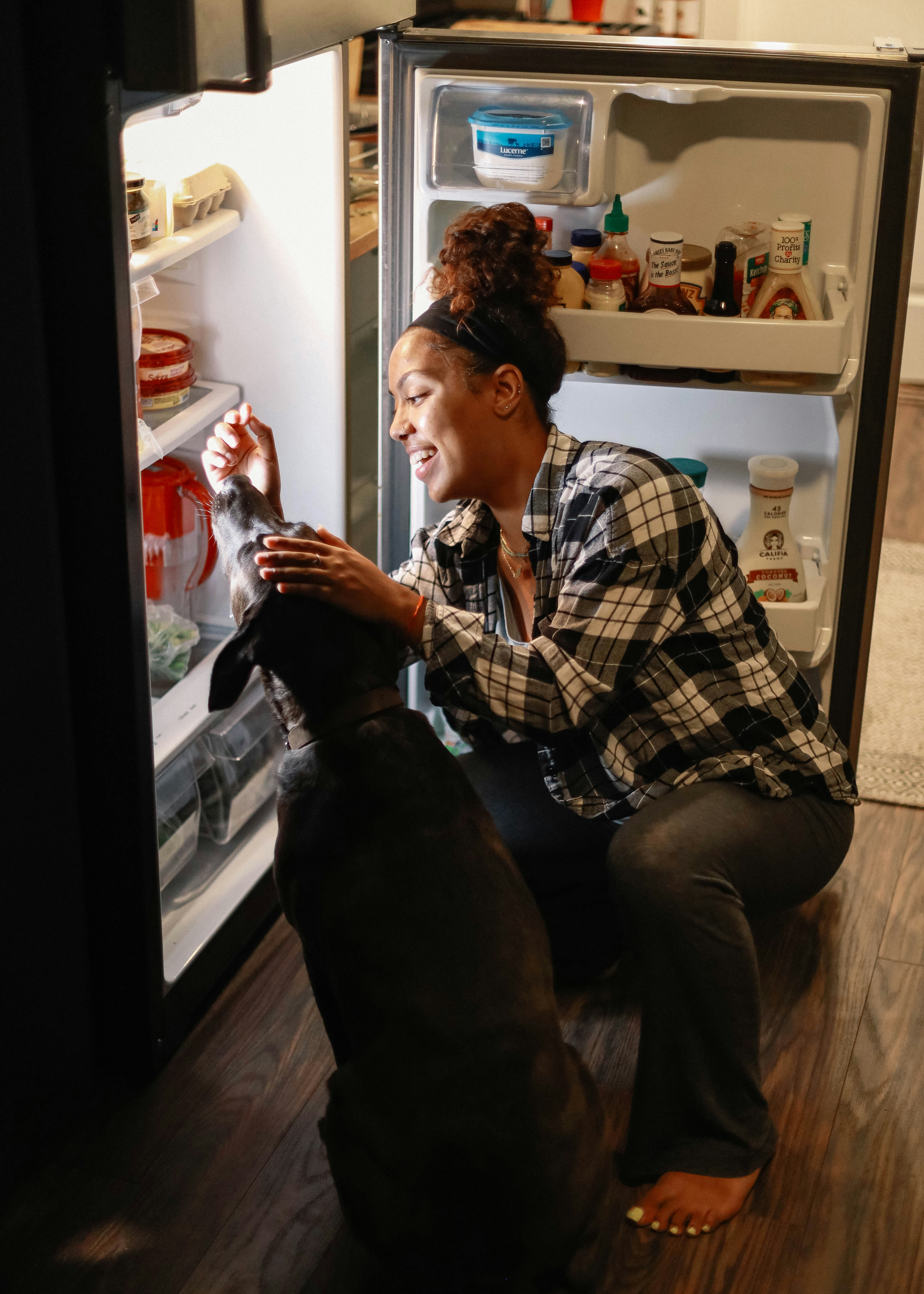
The refrigerants in your air conditioner, heat pump, and refrigerator are powerful chemicals that make today’s cooling systems work—but when they leak, they can cause an outsized climate impact. A home air conditioning system that loses just 7% of its R-410A refrigerant annually has the same global warming impact as burning 1,460 gallons of gasoline–just from the leak itself, not counting the energy waste from reduced efficiency. Understanding and managing refrigerants is one of the most impactful climate actions you can take, starting with the equipment you already own.
What Every Homeowner and Renter Should Know
Refrigerants are everywhere in your home. Your central air conditioning system contains up to 15 pounds of refrigerant, your refrigerator holds one or two pounds, window air conditioners have up to three pounds, and if you have a heat pump, it contains up to 20 pounds. Even your car’s air conditioning system holds three pounds of refrigerant. By design, refrigerants are sealed inside the equipment, but they can leak through tiny cracks, loose fittings, or damaged components. If your AC isn't working as well as it used to, the likely culprit is a refrigerant leak.
Two big environmental problems make refrigerant leaks serious. First is Ozone Depletion Potential (ODP)—older refrigerants contain chlorine and other chemicals that destroy Earth's protective ozone layer, a crucial planetary shield against harmful ultraviolet radiation. Second is Global Warming Potential (GWP)—this measures how much heat a substance traps in the atmosphere compared to carbon dioxide. While CO2 has a GWP of 1, common refrigerants have GWPs ranging from 675 to over 2,000, meaning they're hundreds or thousands of times more potent as greenhouse gas pollution.
International legislation is driving the transition to more environmentally friendly refrigerants. The Montreal Protocol, signed in 1987, has successfully phased out ozone-depleting refrigerants like R-22, while the 2016 Kigali Amendment addresses high-GWP refrigerants like R-410A. In the United States, the 2020 AIM Act mandates an 85% reduction in high-GWP refrigerants by 2036. This legislation is accelerating the development and adoption of refrigerants R-32, R-454B, and natural refrigerants like carbon dioxide. Looking ahead, solid-state cooling technology—similar to how LED lights replaced incandescent bulbs—will eventually eliminate refrigerant leaks entirely by using different physics principles that don’t require refrigerant fluids at all. While we wait for solid-state systems to be improved and commercialized, understanding current refrigerants and taking practical steps to contain them is one of the best ways we can help keep planet-warming pollution from accumulating in our atmosphere.
The most common refrigerants and their environmental impacts:
R-22 / Freon (older systems): GWP of 1,810 and destroys ozone—being phased out
R-410A (current standard): GWP of 2,088—being phased down due to climate impact
R-454B (newer option): GWP of 466—much better climate impact
R-744 / CO2 (natural refrigerant): GWP of 1—carbon dioxide can be used as a refrigerant
Leaks are more common than you think. Research shows that typical residential systems leak around 7% of their refrigerant annually, with some systems losing much more. Slow leaks often go undetected because the equipment continues working, just less efficiently.
What You Can Do This Week
Schedule annual maintenance for all your cooling equipment. This is the single most impactful step most people skip. Professional maintenance can catch small leaks before they become major problems and keeps your systems running efficiently. Specifically ask the technicians to check refrigerant levels. If they need to add refrigerant, insist they try to find and fix the leak rather than just topping off the system. In some cases, a sealant can be injected that will plug small leaks. In other cases, your HVAC company may tell you it’s “not worth it” to fix the leak and suggest just “topping up” the refrigerant every year. At that point, you’ll have to make a tough decision: spend the extra money to fix or replace your system to prevent polluting our planet’s atmosphere, or go with the flow and save your money for something else.
Learn what’s in your equipment and plan for strategic replacements. Take 15 minutes to check the labels on your air conditioners, heat pumps, refrigerators, and freezers. Write down the refrigerant type and capacity for your records. If you have Freon (R-22) equipment, prioritize replacement. These systems contain refrigerant that destroys the ozone layer, and besides, these older systems are becoming expensive to service, and parts are increasingly scarce. For R-410A systems experiencing frequent refrigerant loss, replacement with a new R-32 or R-454B system will stop that pollution and ensure that any future leaks have less severe environmental impacts.
Choose solid-state alternatives where available. While solid-state cooling large enough for a whole home isn’t ready yet, smaller solid-state portable coolers and mini-refrigerators are already available. These devices use electronics instead of refrigerants, eliminating the need to make refrigerants in the first place, so there’s no possibility of refrigerant leaks anywhere in the world or anywhere along the lifecycle of a refrigerant system, from manufacturing to operation to disposal.
Never attempt DIY refrigerant work. Handling refrigerants requires federal Environmental Protection Agency certification for both environmental and personal safety reasons. Some refrigerants can cause asphyxiation (they're heavier than air and can displace oxygen), heart problems, and frostbite from liquid contact. Always hire certified technicians for any work involving refrigerants.
EPA Section 608 Certification: What You Need to Know
Anyone that works on your cooling equipment should have an EPA Section 608 certification card. Certification ensures technicians have the knowledge to handle refrigerants safely and legally. Refrigerants can cause serious environmental damage if released—they can destroy the ozone layer and contribute significantly to climate change. From a safety perspective, refrigerants can cause asphyxiation, heart problems, and frostbite.
There are four certification types: Type I for small appliances (like home refrigerators), Type II for high-pressure systems (like home air conditioners), Type III for low-pressure commercial systems, and Universal certification covering all three. Most professionals pursue Universal certification.
The certification is permanent once obtained, though staying current with new technologies is important. What makes Section 608 particularly important is that certified technicians become part of a global effort to protect the ozone layer and reduce climate impacts while ensuring safe working conditions.
Making Better Choices When Replacing Equipment
Prioritize systems with lower-impact refrigerants. When you need to replace your air conditioner, heat pump, or refrigerator, make refrigerant type a primary criterion. Ask contractors specifically about refrigerants—many don't volunteer this information. Systems using R-32 have about one-third the climate impact of R-410A systems, while newer R-454B systems are even better. The very best are R-744 (carbon dioxide) systems, but it can be challenging to find a contractor with experience with those in the United States. Specify that you want the lowest-GWP refrigerant available.
Replace Freon (R-22) systems immediately. If you still have R-22 equipment, replacement should be your top priority. Not only does R-22 destroy the ozone layer, but service costs are skyrocketing as supplies dwindle. Every year you delay replacement means more ozone depletion and higher repair costs when the inevitable breakdown occurs.
Consider heat pumps for comprehensive benefits. When replacing gas furnaces, oil heating systems, or standalone air conditioners, heat pumps provide efficient heating and cooling while eliminating the need to burn fossil fuels in your home. Modern heat pumps work well even in cold climates and can significantly reduce your home's carbon footprint. Choose a system with the lowest GWP you can, and plan to have it professionally serviced at least once a year and ideally cleaned and inspected four times a year (check your service manual for the cleaning and inspection tasks you can safely do yourself).
Demand proper installation practices. Improper installation is a leading cause of refrigerant leaks. Choose manufacturer-trained contractors who use pressure testing, vacuum procedures, and leak-checking during installation. Quality installation prevents leaks. Ask specifically about their leak-testing and leak-fixing procedures before selecting a contractor.
Keep detailed maintenance records. Document all refrigerant additions, system maintenance, and leak repairs. This information helps identify problematic equipment and provides data for making replacement decisions. If a system requires refrigerant additions, it has a leak. It’s your call when to replace the system rather than continue to add refrigerant. Standard industry practice of “topping up” refrigerant to maintain performance results in pollution of our planet year after year.
The Bigger Picture: Why This Matters
Refrigerant management is a global climate solution. While this newsletter focuses on our readers in the United States, refrigerant management is a worldwide concern. The international community has committed to phasing down high-impact refrigerants through agreements like the Kigali Amendment to the Montreal Protocol, which over 120 nations have ratified. Your equipment choices contribute to global demand for climate-friendly alternatives.
Better technology is accelerating. Scientists and engineers are rapidly advancing solid-state cooling systems that eliminate refrigerants entirely. These systems use thermoelectric effects, magnetic cooling, or elastocaloric materials instead of vapor compression cycles. While whole-home systems aren't commercially ready, portable solid-state coolers are already available, and major manufacturers are investing heavily in scaling these technologies for residential applications.
Your actions create market demand. When you choose equipment with better refrigerants, demand proper installation and maintenance, and replace problematic systems promptly, you’re creating market signals that encourage manufacturers and contractors to prioritize environmental performance. Every properly maintained system and every climate-friendly replacement creates momentum for better industry practices.
Economic Benefits Beyond Environmental Protection
Proper refrigerant management saves money in multiple ways. Systems with correct refrigerant levels run more efficiently, directly reducing your energy bills. Well-maintained equipment lasts longer, delaying expensive replacements by years. When you do need new equipment, choosing efficient systems with better refrigerants will protect our planet.
A refrigerant-deficient system wastes significant energy even if it’s still cooling, because the compressor has to work harder to achieve the same results. Annual maintenance prevents these losses while catching problems before they require major repairs.
Taking Action: Your Refrigerant Management Plan
The most powerful step you can take is treating refrigerants like the potent pollutants they are, rather than invisible substances you can ignore. Start by scheduling overdue maintenance on your cooling equipment—this single action prevents the majority of refrigerant-related environmental impact while saving energy and extending equipment life.
When calling for service, ask specific questions: “Can you check for refrigerant leaks and fix any you find?” “Are the refrigerant levels correct?” “What type of refrigerant does this system use, and what are my options for lower-impact alternatives?” These questions signal that you understand the importance of proper refrigerant management and expect professional service.
For equipment approaching replacement time, research your options before you need emergency service. Understanding refrigerant types, efficiency ratings, and solid-state alternatives helps you make informed decisions when your old system finally fails, rather than accepting whatever the contractor happens to have in stock. Create a replacement timeline based on equipment age and refrigerant type—Freon (R-22) systems need immediate replacement, while frequent refrigerant additions indicate systems worth replacing regardless of age.
Most importantly, share this information with friends, family, and neighbors. Refrigerant management is one of the most overlooked yet impactful environmental actions households can take. Every person who understands the importance of preventing refrigerant leaks and choosing better equipment becomes part of a solution that protects both climate stability and the ozone layer that protects all life on Earth.
This week, take one concrete step toward better refrigerant management. Schedule that overdue maintenance appointment, research the refrigerant types in your equipment, or share this newsletter with family and friends. Every pound of refrigerant that stays where it belongs instead of leaking into our atmosphere is a small victory for our planet’s future.
References and Resources
Government Information
EPA Section 608 Technician Certification - Federal requirements for refrigerant handling
EPA AIM Act Implementation - Federal phase-down of high-GWP refrigerants
EPA Global Warming Potentials Reference - Official GWP values for different refrigerants
ENERGY STAR Most Efficient Program - Guidelines for high-efficiency, low-impact cooling equipment
Professional Services and Equipment
Air Conditioning Contractors of America (ACCA) - Professional standards for HVAC installation and maintenance
Research and Technical Information
Will Brownsberger: Heat Pump Refrigerant Leaks Analysis - Comprehensive analysis of residential refrigerant leak rates
Montreal Protocol Secretariat - International agreements on ozone protection and refrigerant phase-outs
Clean Energy 101: Solid-State Cooling - A look ahead to the permanent solution to refrigerant leaks