Memorial Day Mindfulness: Sustainable Summer Kickoff Celebrations
Over 561 billion disposable plates, cups, and utensils are used in America each year—but you can make this Memorial Day weekend a little bit better
Picture this: millions of families gathered around grills this Memorial Day weekend, celebrating the start of summer with the people they love most. Now imagine if each of those celebrations generated zero waste while creating twice the joy. It might sound impossible, but the path from good intentions to great impact starts simply with rethinking how we celebrate.
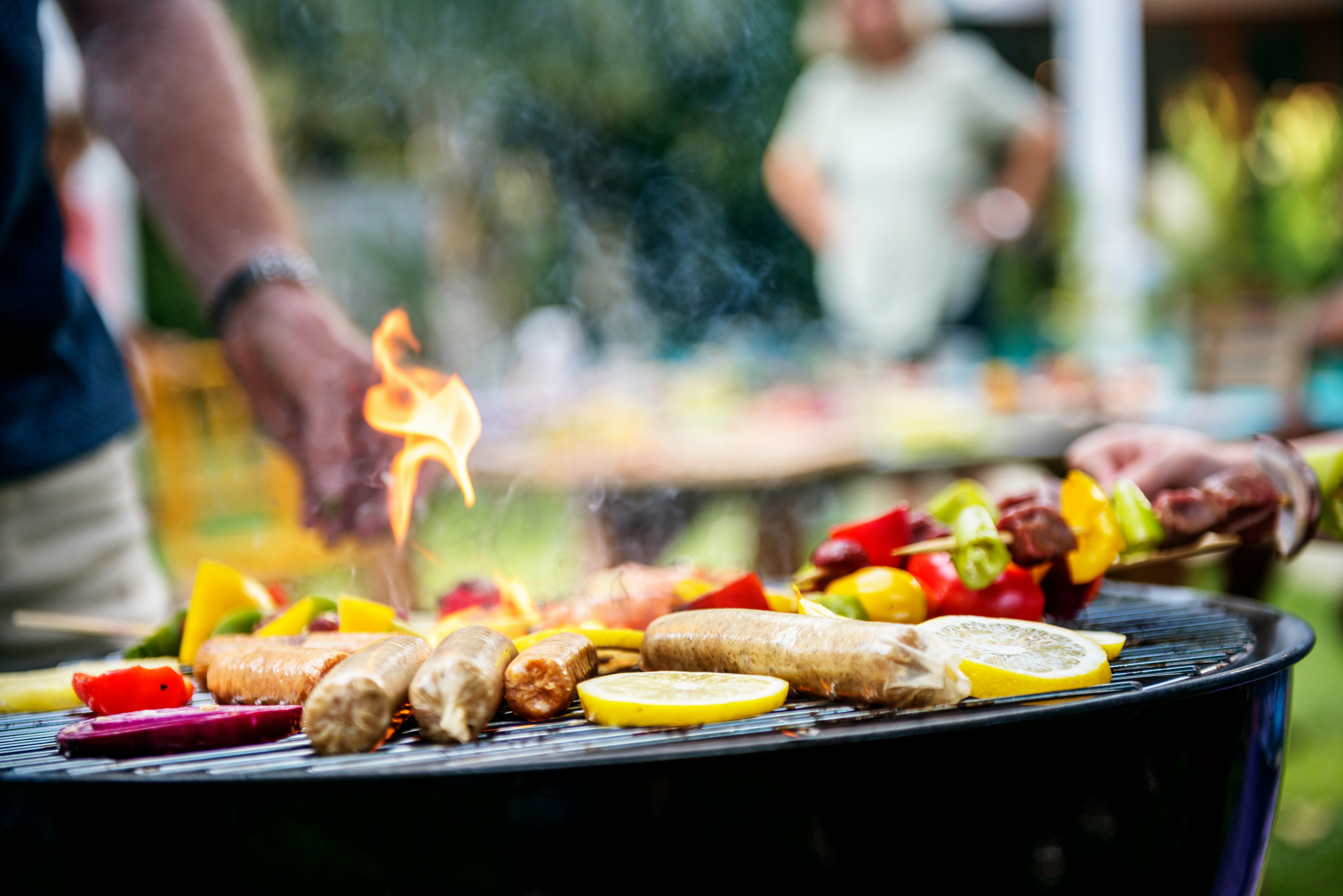
As Americans honor those who served our country this Memorial Day, we can serve our planet by observing an older tradition of respectful stewardship. In recent years, outdoor celebrations have started to generate mountains of waste: household garbage increases by 25% during holiday seasons, with single-use plates, cups, and utensils comprising a significant portion of the additional million tons of trash created. But here's the encouraging news: bringing people together while protecting the environment is not only possible—it's more enjoyable and rewarding than filling up huge trash bags.
The science is clear about our impact. Americans create 4.9 million tons of waste from food service disposables alone. Many of these items take centuries to decompose, releasing harmful microplastics into our environment. Memorial Day weekend, with its emphasis on outdoor gatherings, represents a perfect opportunity to demonstrate that celebration and sustainability can go hand in hand.
Beginner: Simple Swaps for Immediate Impact
Starting your sustainable celebration journey doesn't require dramatic changes—just thoughtful substitutions that can enhance the experience. These initial steps can reduce your gathering's waste up to 70% while saving money and creating a more elegant atmosphere.
Ditch the Disposables, Embrace the Reusables
Here’s a simple change that yields a big impact: use your regular dishes, glasses, and cutlery instead of disposables. Real plates don't get soggy from juicy burgers, glasses showcase colorful drinks beautifully, and metal forks actually pierce food effectively. If you're concerned about breakage around children or in outdoor settings, invest in durable melamine plates and stainless steel cups—they last for years and feel substantial in hand.
Smart Food Planning
Food waste accounts for 20% of landfill content, with barbecues generating particularly high waste due to over-purchasing. For conventional meat-based grilling, plan portions using USDA guidelines: one pound of meat per adult (including bones), three-quarters of a cup of vegetables, and a half cup of starches per person. Create a detailed shopping list and stick to it. Choose foods that don't require excessive packaging—buy meat from the butcher counter rather than pre-packaged options, select produce that doesn't come in plastic containers, and opt for bulk items where available.
Natural Decorations
Skip plastic tablecloths, balloons, and disposable party decorations. Instead, create ambiance with potted plants (which guests can take home), fresh flowers from your garden, and cloth tablecloths that can be washed and reused for years. Mason jars filled with seasonal flowers or LED candles provide charming, reusable lighting.
The Five-Minute Setup
Start your party with an empty dishwasher and washing machine. Set up a simple dish-return station near the kitchen where guests can drop plates when finished. Most people naturally want to help with cleanup—make it easy by providing clear directions.
Intermediate: Leveling Up Your Eco-Game
Once you've mastered the basics, these intermediate strategies can eliminate 85% of your celebration’s waste while adding sophisticated touches that impress guests and reduce your workload.
Present a Plant-Forward Menu
Make vegetables the star of your celebration while using meat as a supporting player. Grilled vegetable kebabs, stuffed portobello mushrooms, and colorful grain salads not only reduce environmental impact but also provide more diverse flavors and nutrients. If you serve meat, buy smaller portions and make them go further by chopping up grilled meat and incorporating it into dishes like turkey pasta salad rather than serving whole portions.
Upgrade Your Beverage Service
Replace single-use cups with a pitcher-and-glass system. Make large batches of infused water, lemonade, or iced tea in glass pitchers. Offer attractive glass tumblers or mason jars that guests can keep track of throughout the event. For alcoholic beverages, set up a drinks station with reusable cups that guests can rinse and refill.
Create a Comprehensive Waste Management System
Set up clearly labeled stations for different waste streams: compost (food scraps, paper napkins), recycling (aluminum cans, glass bottles), and landfill trash (anything not compostable or recyclable). Place compost bins in strategic locations and encourage guests to scrape plates directly into them. When trash bins are less visible than compost and recycling options, waste diversion increases dramatically.
Establish a Dish-Washing Rotation
Instead of letting dishes pile up, create 20-minute washing shifts throughout the party. Recruit friends who offer to help—some guests appreciate having a specific task and enjoy the opportunity to chat while contributing some time to the cleanup. Alternatively, hire teenagers from the neighborhood to handle dishes throughout the event.
Implement Strategic Food Management
Create a “leftover station” where guests can pack food in containers they bring from home. Send a note with invitations asking each family to bring one reusable container for taking home leftovers. This reduces food waste while giving guests delicious meals for later. Compost all remaining food scraps and use them to enrich your garden soil.
Advanced: The Zero-Waste Celebration
Advanced sustainable celebrations eliminate virtually all waste while creating an experience so seamless and elegant that guests will ask for your secrets. Aim to have gatherings that become legendary among your friend group, not for their environmental consciousness, but for their exceptional hospitality.
Design a Closed-Loop Food System
Source ingredients directly from local farmers, choosing items with minimal or no packaging. Plan a menu where every part of each ingredient gets used: broccoli stems become slaw, herb stems flavor homemade sodas, and vegetable scraps create rich stock for future meals.
Establish Guest Participation Protocols
Set clear expectations from the invitation stage. Include language like: “We’re excited to host a zero-waste celebration! Please bring one reusable container for leftovers and consider carpooling or biking to reduce our collective transportation impact.” Most guests appreciate guidance and enjoy being part of something meaningful.
Create an Event Kit
Build a collection of party-specific reusable items over time: stackable melamine plates, stainless steel pint glasses, cloth napkins in celebration colors, and durable serving platters. Store these items together so the party setup becomes quick and systematic. Consider this an investment that pays dividends across years of entertaining.
Master Advanced Food Preservation
Learn techniques for managing surplus food that extend beyond basic composting. Pickle excess vegetables, freeze herb-infused oils, and dehydrate fruit for future snacks. These skills transform potential waste into valuable resources while impressing guests with your culinary creativity.
Implement Transportation Solutions
Organize carpooling for guests traveling from similar areas. For local guests, create a “walk and bike brigade” with small prizes for sustainable transportation choices. This community-building element could be a favorite aspect of the celebration that creates lasting fun memories and a feeling of accomplishment.
Expert: The Regenerative Gathering
Don’t wait to be invited to someone else’s party: plan your own with expert-level sustainable celebrations that go beyond eliminating waste to actually improving environmental and social conditions. Do your best to demonstrate that raising environmental consciousness can create memorable and meaningful experiences.
Support Regenerative Food Systems
Source 100% of ingredients from regenerative agriculture operations that improve soil health, increase biodiversity, and sequester carbon. Partner with local permaculture farms or community-supported agriculture programs. Some expert hosts time their parties to coincide with their peak garden harvest season.
Create Community Resource Sharing
Organize tool and equipment sharing among your social circle. Create a shared inventory of party supplies, grills, and serving pieces that friends can borrow for their own celebrations. Reduce individual consumption while strengthening community bonds.
Implement Climate-Friendly Cooking
Sustainable outdoor cooking stations eliminate fossil fuel use entirely. Use electric grills or induction plates powered by solar modules on your property, or efficient wood-fired cooking methods that rely on trees you grow and harvest yourself with an electric chainsaw.
Establish Skill-Sharing Networks
Transform your celebration into an educational experience where guests learn sustainable practices they can implement in their own lives. Set up stations for composting education, seed-starting workshops, or demonstrations of food preservation techniques. Guests leave with both full stomachs and practical knowledge.
Measure and Share Impact
Track and communicate the environmental benefits of your parties. Calculate how much your friends helped you prevent pollution, avoid waste, and conserve water compared to a conventional approach you could have taken to provide the same opportunity to socialize. Share these metrics with guests and on social media to inspire others to adopt similar practices.
The Science Behind Sustainable Celebrations
Research consistently proves that reusable items have significantly lower environmental impacts than disposables, especially in households energized by solar power. In today’s world, where coal power plants are being phased out and solar energy stored in batteries can reliably supply the electricity your household demands, you can operate your dishwasher with clean power and no air pollution! Within a few weeks, a reusable cup offsets the environmental cost of single-use plastic cups, meaning one summer of parties justifies the investment. Over a cup's lifetime, choosing reusable over disposable can prevent a relatively massive amount of pollution, garbage truck traffic, and landfill trash.
The environmental benefits extend beyond waste reduction. Local food sourcing reduces transportation emissions, and composting food scraps prevents methane generation in landfills while creating valuable soil amendments. When communities adopt sustainable celebration practices, the collective impact can be substantial: your example could inspire your neighborhood to change practices to prevent tons of waste from being trucked to landfills and incinerators every year.
Common Challenges and Solutions
“Won't washing dishes create more work?” Actually, the opposite often occurs. With strategic planning and guest participation, cleanup becomes less drudgery and more social time. Guests frequently find that helping with dishes provides natural conversation opportunities and makes them feel more connected to the celebration.
“What if guests don’t follow the waste management system?” Clear signage and brief explanations work remarkably well. When guests understand the reasoning behind your choices, they enthusiastically participate. Consider appointing a fun-loving friend as your “sustainability ambassador” to help guide others.
“Isn’t sustainable food too expensive?” While some organic or local products cost more initially, eliminating waste and focusing on plant-forward menus often reduces overall food costs. Money saved on disposable tableware and decorations may cover the premium for sustainable ingredients.
Your Memorial Day Action Plan
This Memorial Day weekend, try starting with one or two beginner-level changes. Choose reusable plates and cups, plan your portions carefully, and set up simple composting. If you’re invited to someone else’s party, bring along an empty container to take home your own leftovers, and just in case the host has extra food to give away. Notice how these changes affect both your waste output and your celebration experience.
As summer progresses, gradually implement intermediate and advanced strategies for Fourth of July, Labor Day, and other gatherings. Each celebration becomes an opportunity to refine your approach and inspire others through your example.
This year, as you fire up the grill and welcome friends and family, honor our shared values and protect the planet we all call home. Your mindful celebrations will create deeper joy, stronger communities, and a healthier world for everyone.
References and Further Reading
Memorial Day Facts (2025), WalletHub
Food Waste Statistics, Barbecue Lab
U.S. population: Do you use disposable cups and plates?, Statista
The environmental benefits of reusable plastic over single-use products, Zero Waste Scotland
Plastic pollution facts and information, National Geographic
The Problem with Disposable Cups, Plastic Education
The Environmental Impact Of Disposable Tableware And Sustainable Alternatives, The Good Boutique