Smart Moves: Your Guide to Earth-Friendly Transportation
30% of carbon pollution could be eliminated with greener trip planning.
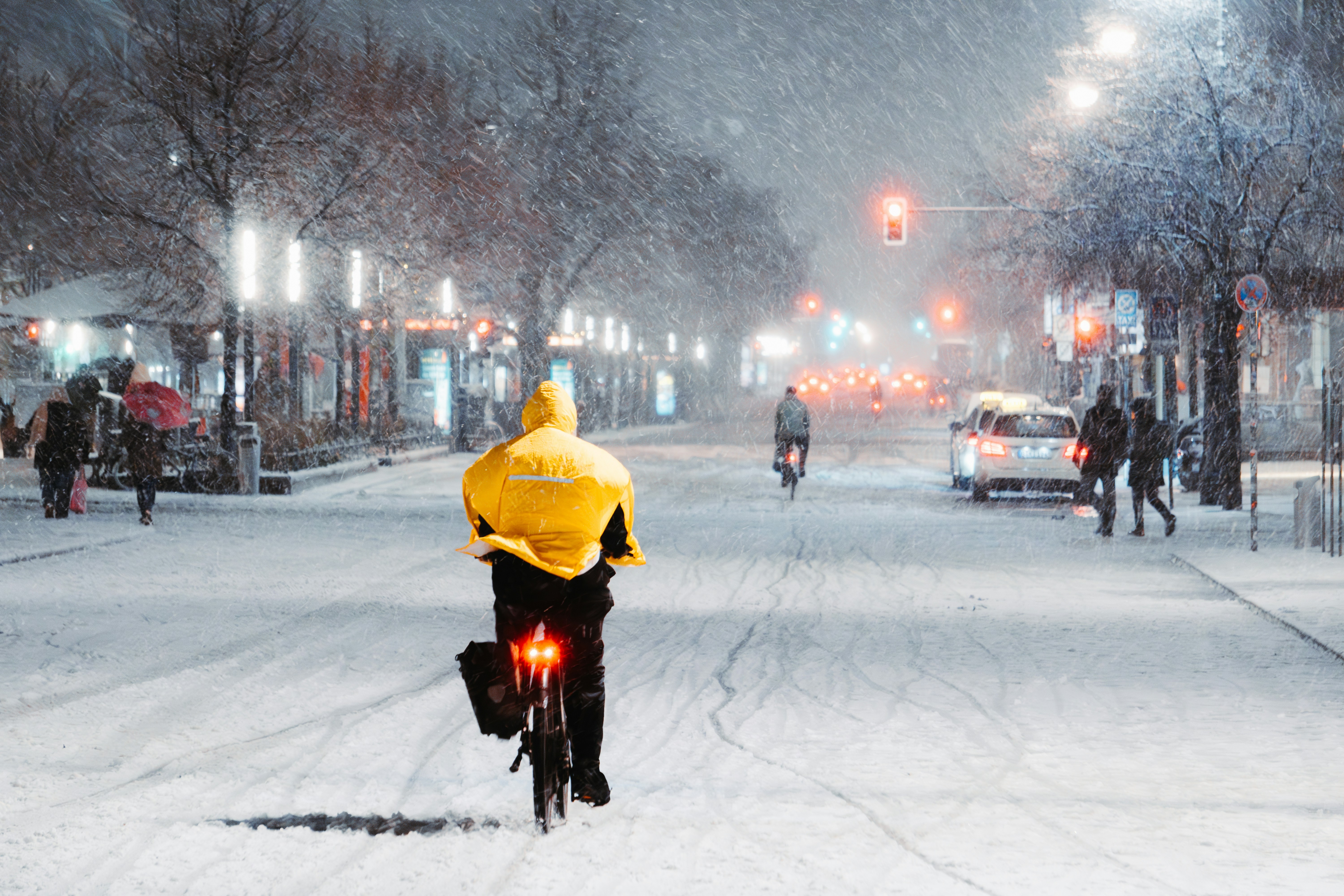
Imagine your ideal trip for work or errands. Perhaps you're cruising silently in an electric vehicle, feeling good about the zero emissions. Maybe you're on a bike, enjoying exercise and fresh air, while your neighbors sit frustrated in traffic. Or you might be working productively at home, reclaiming hours of your life previously spent commuting. How we move through our world shapes everything from our daily stress levels to our neighborhood's air quality to our planet's future. Your personal transportation choices make a profound difference. The best part? Smart transportation planning not only prevents pollution but also saves money, improves health, and can actually make your daily journeys more enjoyable. As winter winds howl and spring approaches, February offers the perfect opportunity to reimagine how you move through the world.
Why February Is the Perfect Time to Plan
February might seem like an unusual month to focus on transportation planning, but it offers unique advantages. Auto dealers are eager to clear their lots before spring models arrive, making it an excellent time to negotiate for an electric vehicle. Installation services for home charging stations have shorter wait times, and bike shops can provide faster maintenance before the spring rush. You'll have time to establish new habits before warmer weather arrives, and most importantly, many companies are finalizing their hybrid work policies for the year. This timing allows you to align your transportation choices with your evolving needs.
Beginner Steps: Start Where You Are
The journey to sustainable transportation begins with simple changes that require minimal time and money. Start by becoming more aware of your current travel patterns. Download a few transit apps and explore the options already available in your area. Take a few minutes to map the walking time to places you visit frequently—you might be surprised to find some destinations are closer than you think.
Minor schedule adjustments can make a big difference. To reduce travel, consider combining multiple errands into single trips or scheduling in-person meetings on the same days. If you have the option to work remotely, even one or two days a week can significantly reduce your transportation footprint.
These simple habits cost nothing but can have an immediate impact:
Turn off your car instead of idling while waiting
Park and walk into shops instead of using drive-throughs
Walk instead of drive for short trips
Plan errands for the whole week so you can combine trips
Share rides with neighbors heading to similar destinations
Intermediate Steps: Building Momentum
Once you're comfortable with basic changes, consider investing in tools and equipment that make sustainable transportation easier. A transit pass is an expense but often pays for itself within weeks. Basic bike maintenance tools and weather-appropriate walking gear enable you to choose active transportation more often. Consider setting up a simple home office space if you have remote work options. A dedicated desk with good lighting and an ergonomic chair can make working from home more pleasant.
Advanced Steps: Committing to Change
When you're ready for bigger changes, consider exploring electric vehicles as your next car choice. Start by researching models that match your needs and understanding their real-world range in your climate. Assess your home's electrical system for charging capability. Look into charging networks in your area and calculate the total cost of ownership—an EV may cost less over time than a gas-powered vehicle.
Creating infrastructure at home can make sustainable choices easier. This might mean:
Building secure bike storage
Installing a home EV charger
Establishing a backup power system
Installing a solar carport to use free sunshine to charge your EV
Expert Level: Leading Community Change
For those ready to embrace comprehensive change, the expert level involves creating systems that benefit you and your entire community. Consider establishing a local car-share program, building community charging infrastructure, or developing a multi-family charging solution. You could also create a neighborhood work hub that reduces commuting for multiple families.
Making It Happen
Changing habits takes time. Begin with a week of observation and planning—tracking your current patterns and researching available options. In your second week, start testing new routes and trying out basic equipment. Use the third week to establish regular routines and connect with others making similar changes. By the fourth week, you'll be ready to refine your approach and plan your next steps.
Success isn't just about preventing pollution. Track changes in:
Transportation costs
Time spent commuting
Physical activity levels
Stress reduction
Community connections
Energy usage
Car-free days
As seasons change, your transportation needs will too. In winter, you might rely more on enclosed options or remote work. Spring and fall offer perfect conditions for active transportation, while summer might require early morning scheduling to beat the heat. The key is building flexibility into your system while maintaining your commitment to sustainable choices.
Remember that every journey begins with a single step. Start with changes that match your current resources and comfort level. Success comes from sustainable changes that you can maintain long-term, not from drastic changes that prove impractical. Whether you're taking your first steps toward greener transportation or ready to lead your community in creating new solutions, your choices help create cleaner air and healthier communities for everyone.
References and Further Reading
Electric Car Buying Guide: How to Buy the Right EV, Kelley Blue Book
Electric Vehicles: Every EV on the Market Today, Car and Driver
EV Chargers: Everything you need to know about plugging in at home, energysage
Practical Tips for Working at Home, Baylor University