Creating a Sustainable Home Wellness Station
Preventing illness at home to eliminate trips to the pharmacy or doctor is a great way to reduce medical waste
As winter tightens its grip and flu season reaches its peak, many of us find ourselves making trips to the pharmacy or doctor, accumulating plastic bottles, blister packs, and disposable medical supplies that end up in landfills. Creating a sustainable home wellness station—your household's mission control center for well-being—not only can maintain good health but also reduce medical waste through decreased pharmaceutical consumption, less packaging disposal, and fewer hospital visits. In this guide, we'll walk you through exactly how to set up your wellness station to help prevent minor health issues from escalating into conditions requiring extensive and expensive medical intervention.
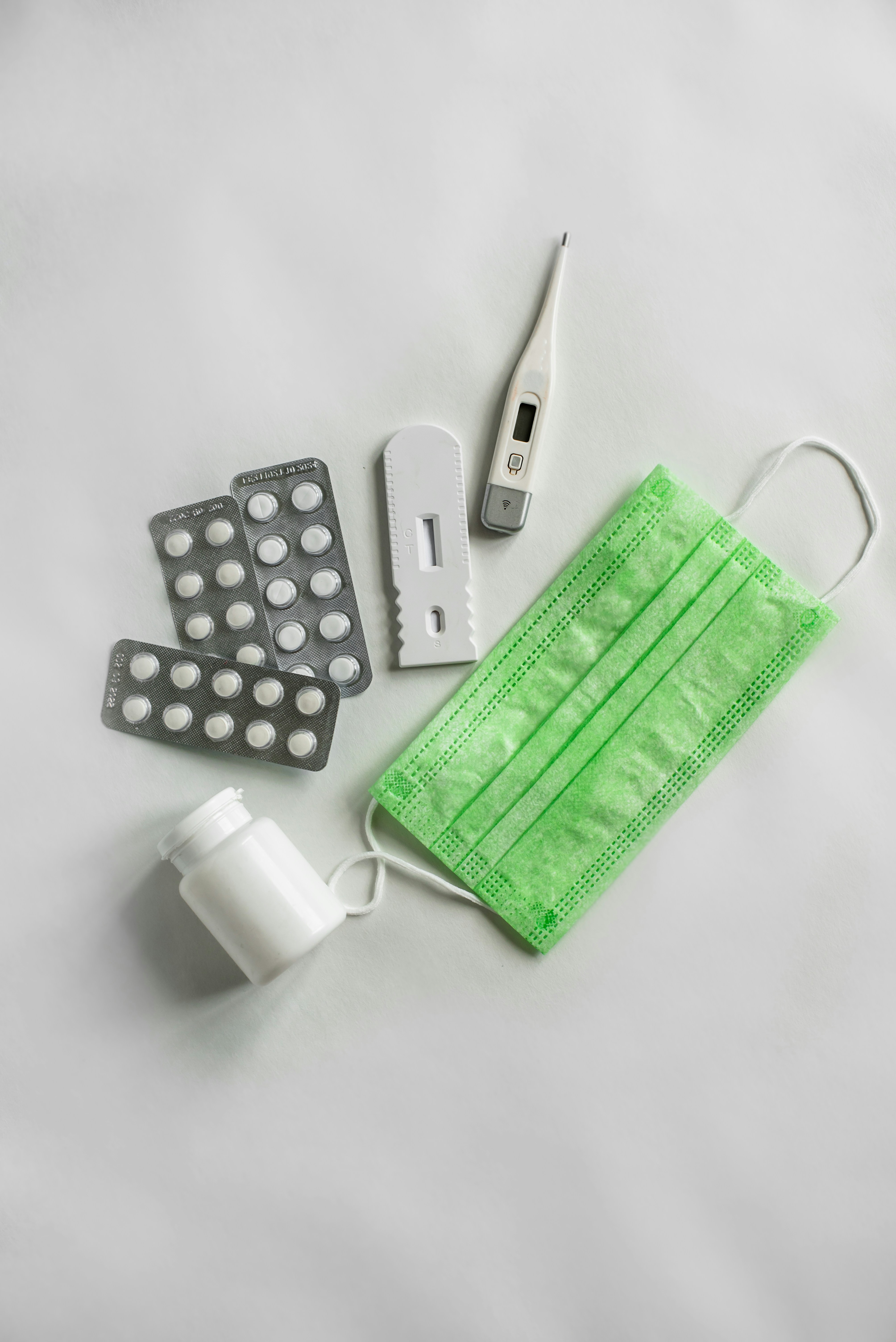
Winter illnesses often start with mild symptoms that can escalate to conditions requiring expensive medical intervention. A well-organized home wellness station serves as your command center for managing these illnesses early while minimizing environmental impact.
Setting Up Your Space
Choose a cool, dry location away from direct sunlight, such as a linen closet or dedicated cabinet. The ideal spot should be easily accessible to adults but secure from young children. Install adjustable shelving to maximize vertical space and ensure all items remain visible and within reach. Have an indoor compost pail available for collecting used tissues, swabs, and bandages that can be composted. Label a container for expired medication and other waste that should go to a dedicated medical waste facility, not composted or landfilled.
Disinfection Systems
Instead of relying on harsh chemicals like bleach and ammonia, which can irritate respiratory systems, establish a three-part approach to household disinfection:
Hypochlorous acid can serve as a primary disinfectant when you need to control the spread of germs. You can produce this effective substance at home using a countertop electrolyzer from Force of Nature, Eco One, or another manufacturer. These appliances send electric current through a solution of water, salt, and vinegar to create an acidic disinfectant that matches the effectiveness of bleach with less respiratory irritation. The solution lasts about two weeks in a spray bottle before the dissociated ions recombine into salt.
Hydrogen peroxide (3% solution) provides a backup disinfectant. Store it in its original dark bottle to maintain its effectiveness. It is best used on healthy skin or other surfaces, not directly on wounds. Wounds should be rinsed out with lots of clean tap water and a mild soap or detergent to remove dirt and oils that can harbor microbes. Using any disinfectant directly on a wound can do more harm than good to your body tissues.
Isopropyl alcohol (70% solution) rounds out your disinfection arsenal. It is especially useful for cleaning thermometers and other monitoring equipment between uses.
Detection and Diagnosis Tools
Early detection prevents minor illnesses from becoming serious. Monitoring health signs can help you decide when to call a doctor. Maintain these tools:
Thermometer: This device shows whether you are running a fever, which indicates that your body is mounting an immune response to an infection. Choose a thermometer that provides quick readings and can be easily sanitized by wiping it with isopropyl alcohol between uses. Check which type of battery a digital thermometer requires; be prepared to replace a disposable battery every two or three years. Thermometers with a built-in, non-removable rechargeable lithium-ion battery may last up to ten years, but then the entire thermometer will need to be replaced.
Pulse oximeter: provides data about blood oxygen levels, which can help detect serious respiratory infections or other breathing problems. While healthy individuals typically maintain oxygen saturation between 95-100%, knowing your baseline when healthy helps identify concerning changes during illness. As with a digital thermometer, check on the battery type and be prepared to replace it if it is removable.
Blood pressure monitor: measures the pressure of your blood in your arteries and veins, and also measures your heart rate. This can help detect cardiac problems. Units that plug in avoid the need to replace batteries.
Remedies and Treatments
Stock your wellness station with items that help manage common illness symptoms:
Reusable hot packs for soothing/cold packs for reducing swelling
Rice in a sock can be heated up in the microwave
Silicone cold packs can be stored in the freezer and cleaned between uses
Honey for cough suppression (ask your doctor before giving to infants)
Glass containers of dried elderberry, ginger, and chamomile for therapeutic teas
Digital kettle for preparing therapeutic teas
Facial tissues made from recycled post-consumer waste paper or bamboo (easy to buy in bulk and store in a dry place in a rodent-proof container)
First Aid Supplies
Be prepared to treat injuries and prevent the spread of germs:
Stainless steel scissors and tweezers
Face masks to prevent the spread of germs
Compostable bandages
Organic cotton gauze
Compostable medical tape
Bamboo cotton swabs
Antibiotic ointment
Prevention Protocols
Create clear written protocols for your household that outline when and how to use your wellness station effectively.
At first signs of illness
Increase disinfection of high-touch surfaces using your disinfectant of choice
Have the ill person begin wearing a face mask in common areas
Begin monitoring body temperature every four hours while awake
During active illness
Maintain a symptom log and record temperature measurements
Continue to use disinfectant on high-touch surfaces
Increase the frequency of hand washing for all family members
For high-risk communicable diseases, have other family members wear masks to reduce the chance of transmission
Seek medical advice if symptoms become severe
After recovery
Replace any supplies running low
Wash all reusable masks, bandages, etc., used during illness
Maintenance Schedule
Implement a regular maintenance routine to ensure your station remains ready.
Weekly Tasks
Empty compost pail
Check stock levels of supplies
Update a shopping list for reordering supplies
Monthly Tasks
Check expiration dates on all supplies
Buy supplies (in minimal packaging)
Restock any depleted items
Clean storage areas
Update symptom logs
Check the battery health of electronic devices
Annual Tasks
Take medical waste to disposal sites
Replace batteries if necessary
Clean storage areas thoroughly
Update prevention protocols as needed
Summary
This wellness station setup prioritizes environmental sustainability through:
Less dangerous disinfectants
Minimal packaging waste
Planning for effective prevention to reduce visits to the pharmacy and hospital
By maintaining this sustainable wellness station, you'll be well-equipped to manage winter illnesses while minimizing both environmental impact and the need for emergency medical interventions. Remember, the goal is practical prevention with sustainability in mind, not replacing professional care when it's truly needed.
References and Further Reading
Pills and the planet: Environmentally-friendly steps for your medicine cabinet, Harvard Medical School
What Is Hypochlorous Acid? And Why Should You Use It?, Cleveland Clinic
3 Non-Toxic Bandaids You Can Use For Eco-Friendly First-Aid, Sustainable Jungle
The Best and Worst Toilet Paper, Paper Towel, and Facial Tissue Brands, NRDC
Why is temperature tracking important?, The Jackson Laboratory
What Every Family Needs to Know About Thermometers and Fevers, The Iowa Clinic
Should You Really Have a Pulse Oximeter at Home?, Yale Medicine
Get the most out of home blood pressure monitoring, Mayo Clinic