Chill Smarter: Using Energy-Efficient Appliances
A 15-year-old refrigerator wastes 30% of every dollar used to keep it running, compared to a new one.
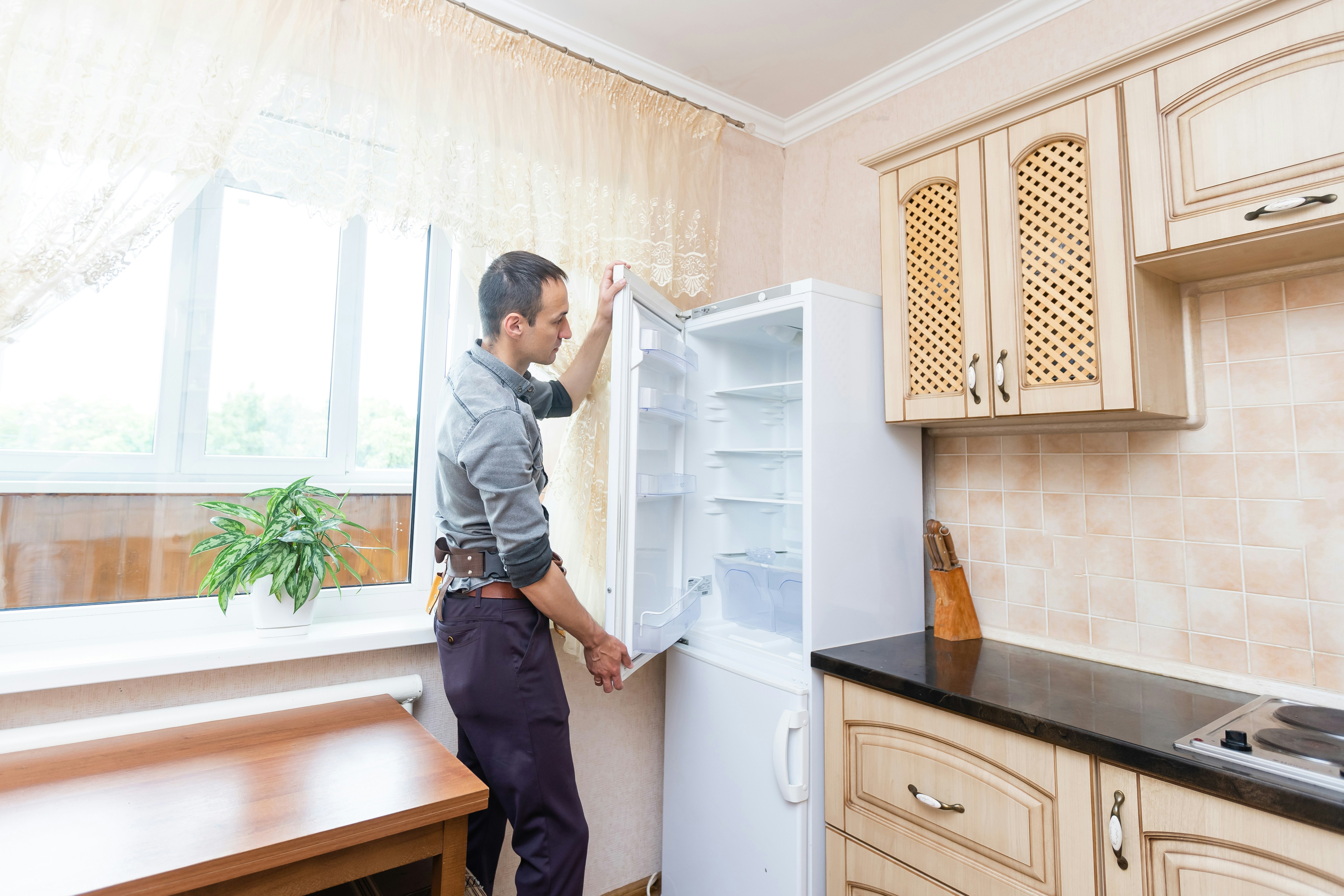
One of the easiest ways to save a lot of energy and protect our environment is to upgrade an old refrigerator. If your fridge is 15 years or older, give serious consideration to surprising your family with a brand new one this year. Check with your local retailers—you can usually arrange to have them remove and recycle your old fridge when they deliver the new one.
Two That Matter Most
To know how well you are meeting your need for refrigeration without wasting energy or risking serious environmental damage, these two indicators matter most:
How much energy you use.
Whether your refrigerator uses a refrigerant that has been banned for its negative environmental impacts.
Refrigerating 101
Using Energy-Efficient Appliances
Keep food cold in energy-efficient refrigerators and freezers. Remove or replace older appliances to save energy and prevent refrigerant leaks.
Equipment and Materials
Refrigerator that meets ENERGY STAR standards.
Freezer that meets ENERGY STAR standards.
Steps
Evaluate your current refrigerators and freezers.
Consolidate so that you can unplug and remove older appliances that waste energy and pose environmental risks.
Create a schedule for replacing energy-wasting refrigeration appliances that contain refrigerants with high ozone depletion and global warming risk.
On schedule, replace older appliances with new energy-efficient ones.
Responsibly dispose of older refrigeration appliances, using the EPA’s Responsible Appliance Disposal (RAD) program.
Discussion
Modern refrigerators use electricity to run motors to pressurize and circulate refrigerant in a vapor-compression heat pump cycle. This is the same technology used in air conditioning units, mini-split heat pumps for space heating, and hot water heat pumps. Efficient cooling appliances have excellent seals and insulation to prevent unwanted energy flow, high-performance motors and refrigerants to pump heat efficiently, and superior thermostats and defrost mechanisms to save energy.
The ENERGY STAR program certifies refrigerators and freezers for energy efficiency, and offers this buying guidance:
Volume: Purchase the unit with the smallest volume you need. As a rule, the larger the volume, the greater the energy consumption.
Freezer Location: Consider a refrigerator with a top freezer. In recent model years, this configuration (as opposed to bottom freezers or side-by-sides) tends to use less energy.
Doors: Consider a unit with fewer doors to reduce air leakage.
Refrigerant: Select a refrigerator that uses a refrigerant with a lower Global Warming Potential.
Age: Consider replacing and recycling all refrigerators older than 15 years, which use on average 30% more energy than new models that meet ENERGY STAR standards.
Recycle: Many retailers will pick up and recycle an old refrigerator when you buy a new one. [Older refrigerators used refrigerants that destroy our ozone layer, so be sure your appliance is recycled properly!]
If you are unable to upgrade to a new, more efficient refrigerator, here are some operating tips to keep your existing one operating to the best of its ability:
Keep all refrigerators out of direct sun. A refrigerator that is always shaded from direct sunlight has less work to do keeping your food cold.
Periodically vacuum the grill where air enters and leaves the unit. All refrigerators use ambient air for heat exchange; keeping the pathway clear for this air to flow helps your refrigerator keep its cool.
Check seals around doors. You should not feel any cold air flowing when the doors of your refrigerator or freezer are closed. Replace any seals that are allowing cold air to leak out.
Keep your freezer full. Freeze water and keep ice in your freezer if you don’t have a lot of food items to freeze. Keeping ice in your freezer will help your refrigerator stay cooler longer in case of a power outage, and will also keep the freezer from warming up as much when you open the door.
Definitions
ENERGY STAR: the United States government-backed label for energy efficiency, administered by the Environmental Protection Agency
Global Warming Potential: a standard used by the Intergovernmental Panel on Climate Change to compare the global warming impacts of different gasses in Earth’s atmosphere
Heat Pump: a device that uses mechanical energy (a pump) to transfer heat from place to place
Refrigeration: applying energy to move heat against its normal gradient, keeping an enclosed space cooler than ambient conditions
Vapor Compression: a heat pump technology in which a refrigerant is pressurized and then undergoes phase change from a gas to a liquid, giving up heat in the process, and depressurized and then undergoes phase change from a liquid to a gas, absorbing heat in the process
Troubleshooting
Your refrigerator seems to be running more than usual.
Make sure your refrigerator is in a shady spot, not next to any heat sources.
Vacuum around it to make sure there is clear airflow.
Keep more ice in your freezer to help moderate temperature swings when you open the door.
Check seals around the door to make sure the seal is tight and complete with no air leaking out.
If your refrigerator is more than 15 years old, consider buying a new refrigerator.
Food is getting frozen in your refrigerator.
Read the operating manual and set the temperature a little higher. It should be holding a temperature of 38 F.
Check the thermostat to make sure it isn’t failing.
If your refrigerator is more than 15 years old, consider buying a new refrigerator.
Food is spoiling quickly in your refrigerator.
Read the operating manual and set the temperature a little lower. It should be holding a temperature of 38 F.
Thoroughly clean your refrigerator and keep an open dish of baking soda in it to help absorb odors.
Your refrigerator is making unusual noises.
Consider calling a repair service to check the refrigerant line and compressor motor. A refrigerant leak may cause the motor to work harder and may result in refrigerant not performing within tolerances.
If your refrigerator is more than 15 years old, consider buying a new refrigerator.
Strategies and Goals
Community
Demonstrate Best Practices
Inspire people in your community to use energy efficiently
Inspire people in your community to dispose of appliances responsibly
Energy
Increase Energy Efficiency
Save the environmental and financial costs of producing power
Milestones
Decrease electricity consumption
Measure: Electricity consumed
Method: Utility bills or meter readings
Time Period: Year
Limitations
People on a limited budget may never plan ahead to replace their refrigerator or freezer. They may simply wait for the appliance to break and then have to buy whatever appliance they can afford at that time.
Some people like to have a spare refrigerator running for guests.
Opportunities
Refrigerating 102: Store bread in the freezer
Reduce food waste
Fill your freezer so it operates more efficiently
References
Apps and Websites
Key Words
Refrigeration, refrigerants, ozone depletion, energy efficiency, appliance disposal