Dunedin Gasworks: Sustainable Lesson from NZ
From 1863 to 1987, they made gas from coal in Dunedin, New Zealand.
On Sunday afternoons in South Dunedin, New Zealand, you can see stationary steam engines in working order. The engine house, boiler room, boiler house, chimney stack, and the fitting and blacksmith’s shops where the Dunedin Gasworks made gas from coal are now a museum where volunteers run the old steam pumps once a week. Starting operation in 1863, by 1987 the gasworks facility shut down, being no longer economically sustainable, leaving behind an industrial legacy and an important lesson: it may take more than a century, but eventually, we’ll have to abandon unsustainable practices.
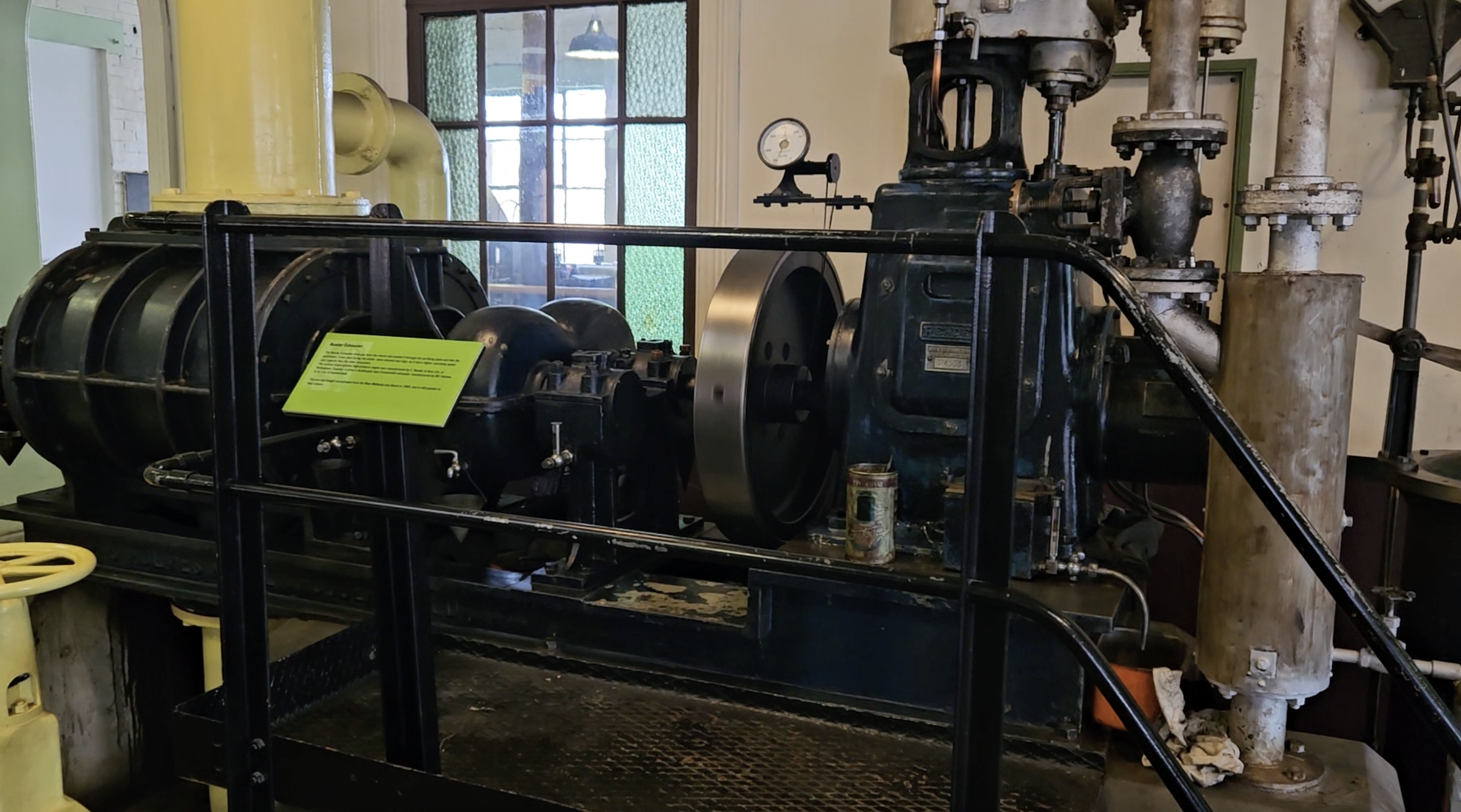
We can apply this lesson to our own lives: what legacy will we leave behind due to the choices we make to meet our own needs for energy? During the era of the Dunedin Gasworks, the proprietors and customers who chose coal also had the choice of using wind or hydropower—and electricity starting in 1907. In fact, just as electricity was being considered for the first automobiles, electricity was a contender for lighting, heating, and cooking. There was a fierce battle for customers throughout the late 1800s and early 1900s: electricity won for lighting but lost (temporarily) for transportation and heating. Imagine how history might have turned out if more people had made an earlier transition to clean, renewable electricity instead of choosing to burn coal and gas.
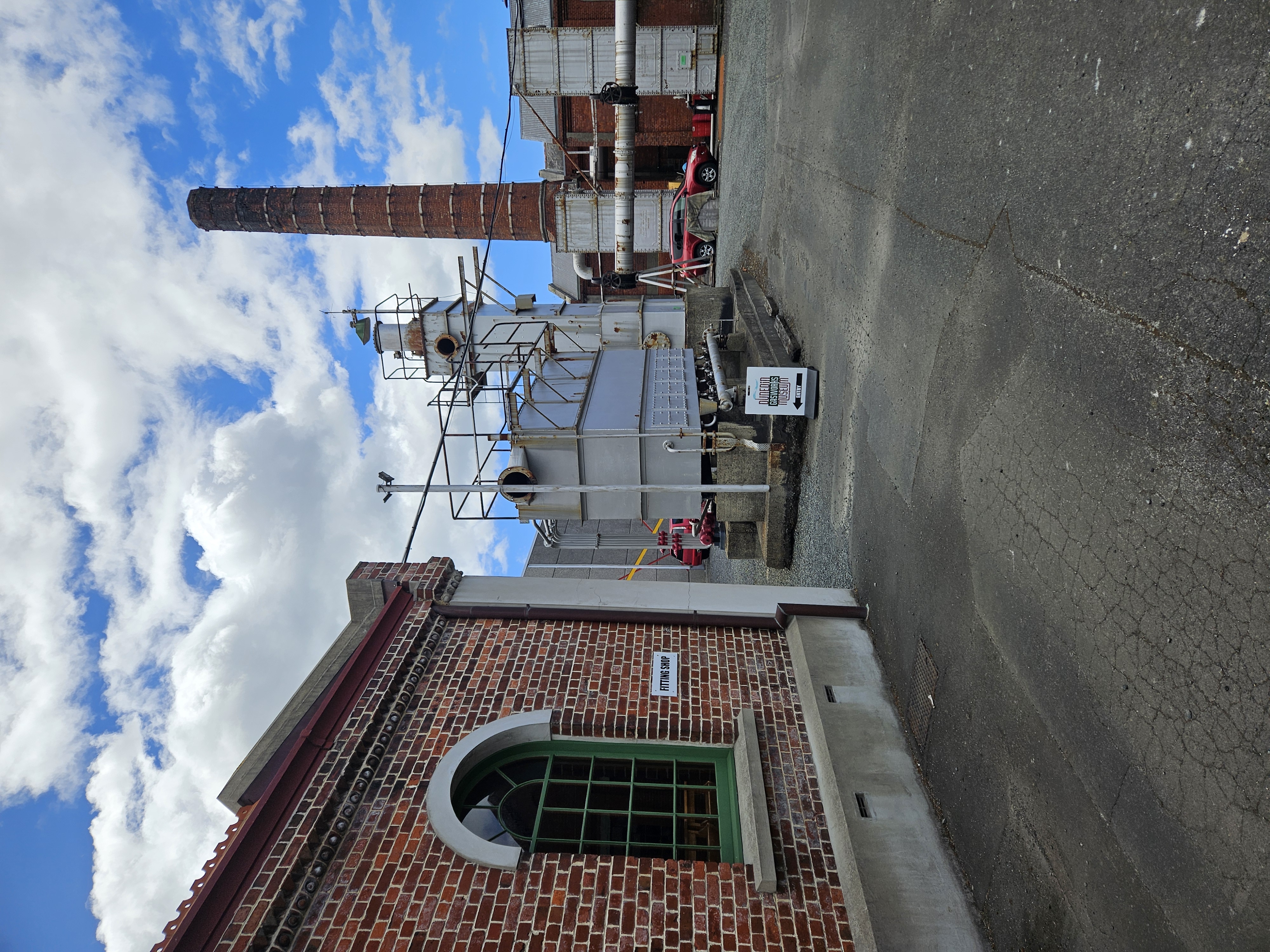
Coal was discovered in the South Island of New Zealand in the 1840s; the first coal mine was opened near Dunedin in 1849. A gold rush in the 1860s drew prospectors from all over the world, making Dunedin the largest and most prosperous city in New Zealand for a time. As in England, coal became the primary energy source once most of the local trees had been cut down, making it difficult and expensive to obtain wood for heating and cooking. The hills around Dunedin soon became riddled with coal mines, now abandoned but occasionally still making their presence known through sinkholes.
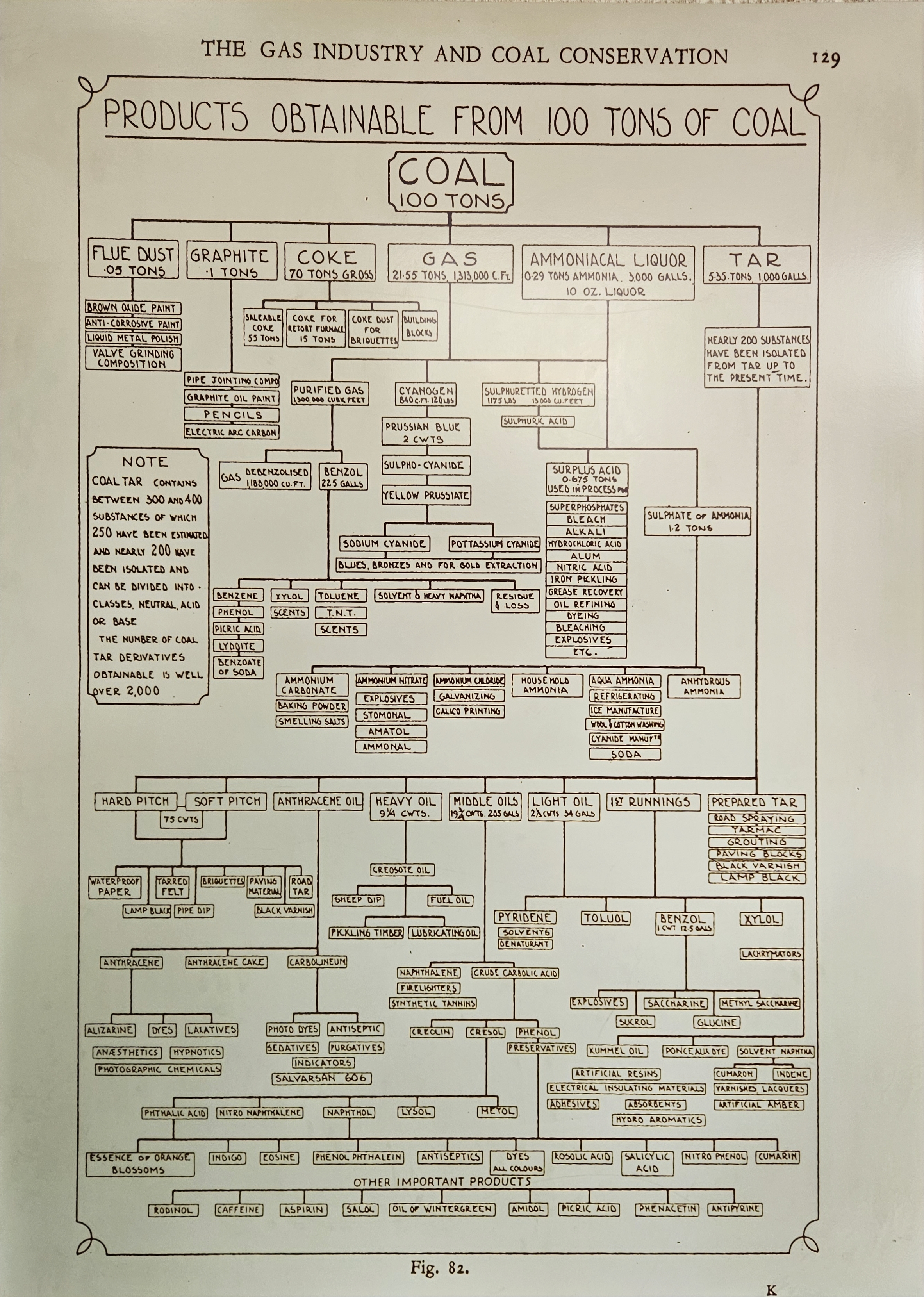
Turning coal into gas was a complicated and dangerous process, but it was deemed worthwhile to fuel economic growth in the 19th century. The basic idea (leaving out many important details) is to heat coal in the absence of oxygen, producing gas and leaving behind “coke.” The coke can then be burned to heat water into steam, and the steam can be used to pump the gas to industrial and residential customers.
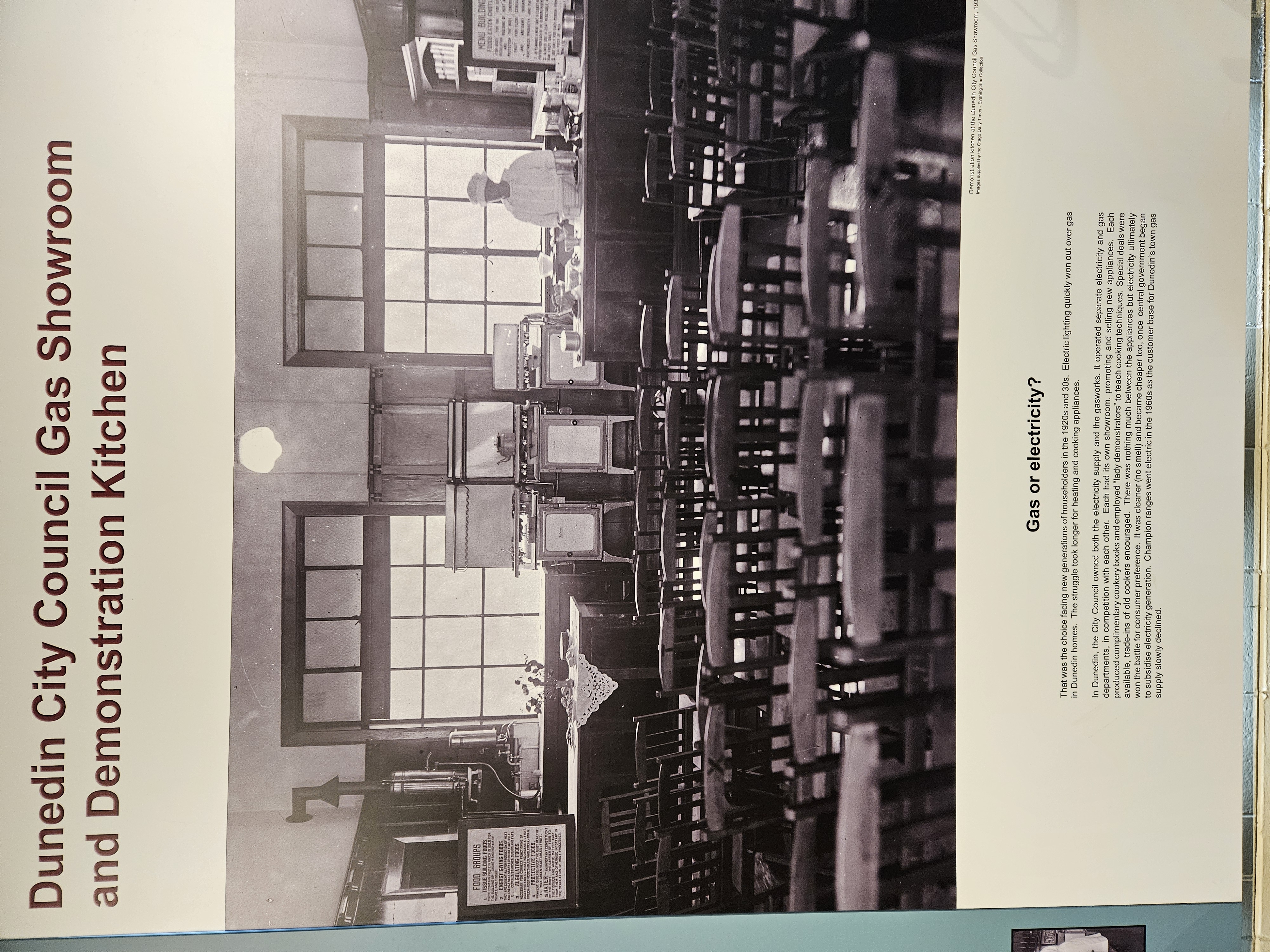
After hydropower was developed in 1907 in the Dunedin region, many residential gas customers were tempted by a new energy option: electricity. The Dunedin City Council ran a competition between its electricity and gas departments: each built a demonstration kitchen and hired a spokeswoman to convince householders to promote and sell appliances that used electricity or gas. Then, as now, the gas industry felt that the government put an unfair thumb on the scale by subsidizing electricity generation to undermine the economic viability of gas.
Besides the miles of underground coal mine tunnels causing problems for civil engineers and builders in the Dunedin region who must test and plan for abrupt subsidence if those tunnels collapse, the legacy of coal use also includes acres of soil contaminated by coal ash. Today, we know that coal ash contains mercury, cadmium, arsenic, and other hazardous contaminants. As a result, soil tests and expensive mitigation measures are required to build in Dunedin; furthermore, as sea levels rise and erosion occurs, officials are monitoring the risk that poses to expose landfills containing coal waste.
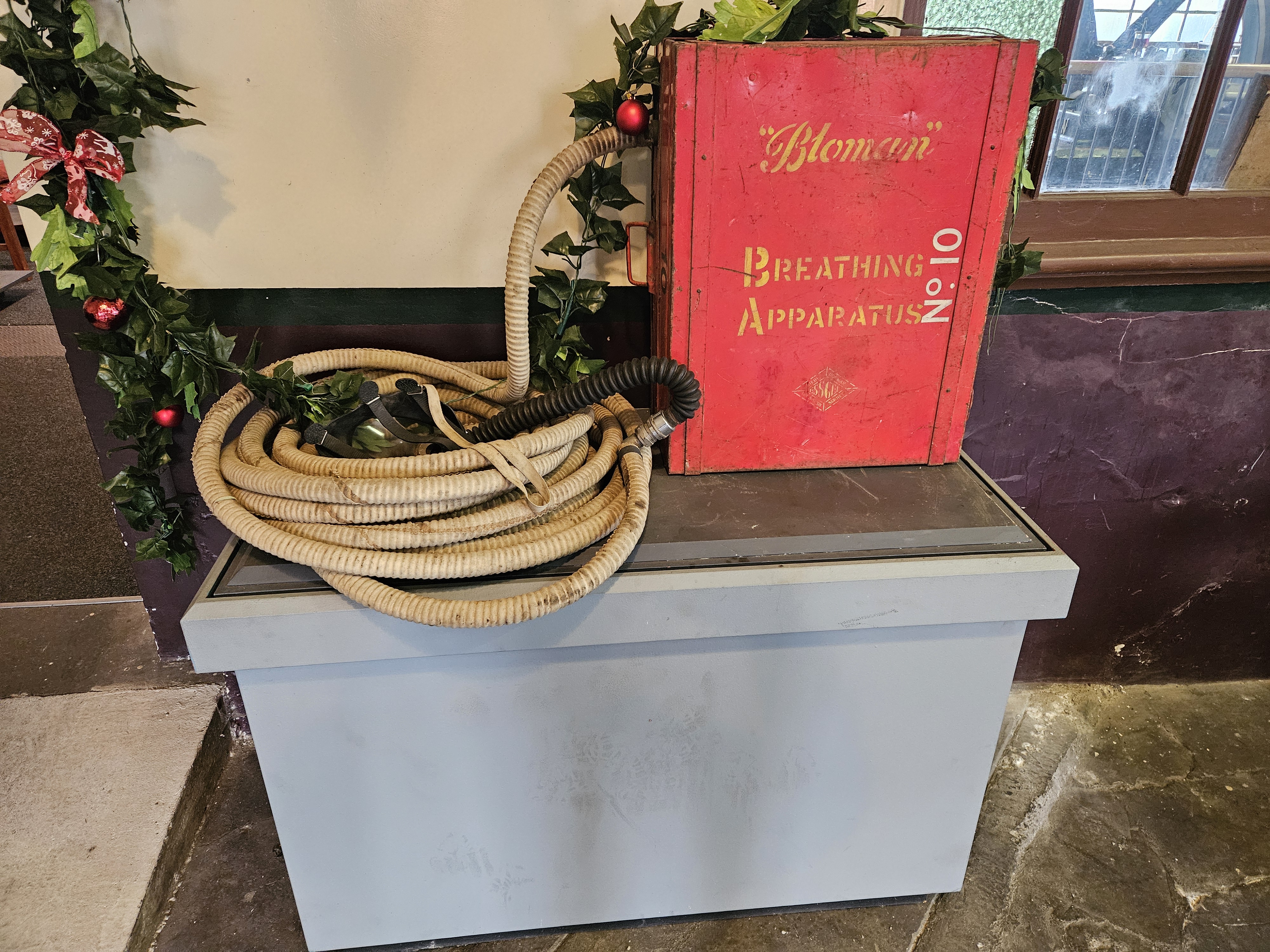
Visiting the Dunedin Gasworks Museum, you can’t help but be impressed by the hard work, courage, and ingenuity that generations of people invested in the endeavor. At the same time, seeing the steam machines in operation and smelling the fumes from the boiler, you get a visceral feel for the environmental and health impacts of the decision to burn coal for energy.
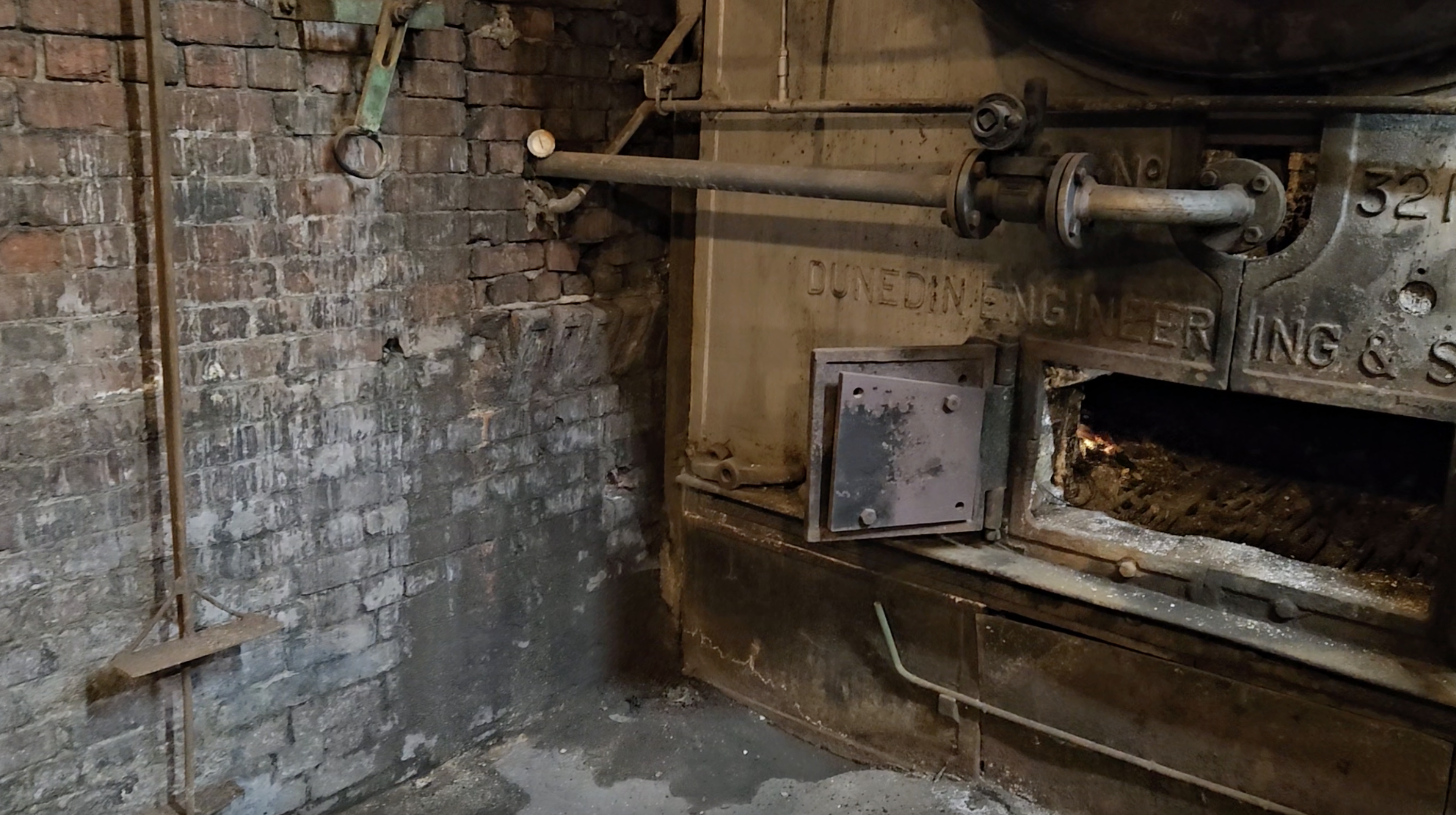
Most of all, the experience made me appreciate how rapidly our technology has advanced in just a few generations of human life. To the Gasworks Museum, I carried with me a fusion-powered pocket supercomputer to record the experience—my cell phone. Solar works here in Dunedin just as well as everywhere on the planet, so I’ve been using solar-powered battery packs to recharge my phone. The source of energy radiating from the sun, of course, is a massive fusion reaction that will continue for billions of years. My Samsung cell phone has eight processing cores that can do billions of calculations per second, connected to a memory chip that can store 8 billion bytes of short-term data and another chip that can store 128 billion bytes of long-term data, using less than a watt of power.
All of us now have incredible power within our grasp. Are we choosing sustainable technologies that leave the world a better place for all future generations?
References and Further Reading
Aurora Energy (New Zealand), Wikipedia
New Zealand Mining History, Australasian Mining History Association
About Dunedin, Dunedin City Council
What lies beneath?, Otago Daily Times
Coal gas, Wikipedia
Coal Ash Basics, U.S. EPA
No risk from coastal erosion near old Dunedin landfill, council says, Stuff