Predator-Free Islands: Sustainable Ideas from NZ
A "predator-free Aotearoa" could help native wildlife survive on the fringes of the sheep farms and tree plantations that cover almost half of New Zealand today.
Before we delve into how we can learn from the challenges of the island nation of New Zealand and even apply that habitat information to our own yards, I want to remind paid subscribers that I’m looking forward to seeing you on Zoom Wednesday evening, December 6 for a discussion in our ‘Sustainability Office Half Hour.’ We’ll send the Zoom link in a post later today.
In the month we’ve been exploring the area around Ōtepoti (Dunedin), New Zealand, we’ve watched albatross flying (and landing!), seen penguins nesting, observed sea lions arguing, and heard kiwi calling—animals all native to this remote island in the Pacific. We’ve also seen many animals that people have brought with them, including rabbits, cats, dogs, horses, cows, and sheep—lots and lots of sheep. But it was our trip to Te Wharawhara (Ulva Island), a predator-free small island bird sanctuary near Rakiura (Stewart Island) off the southern tip of New Zealand, that really brought home the importance of natural habitat to sustain the beauty, biodiversity, and abundance of our planet.
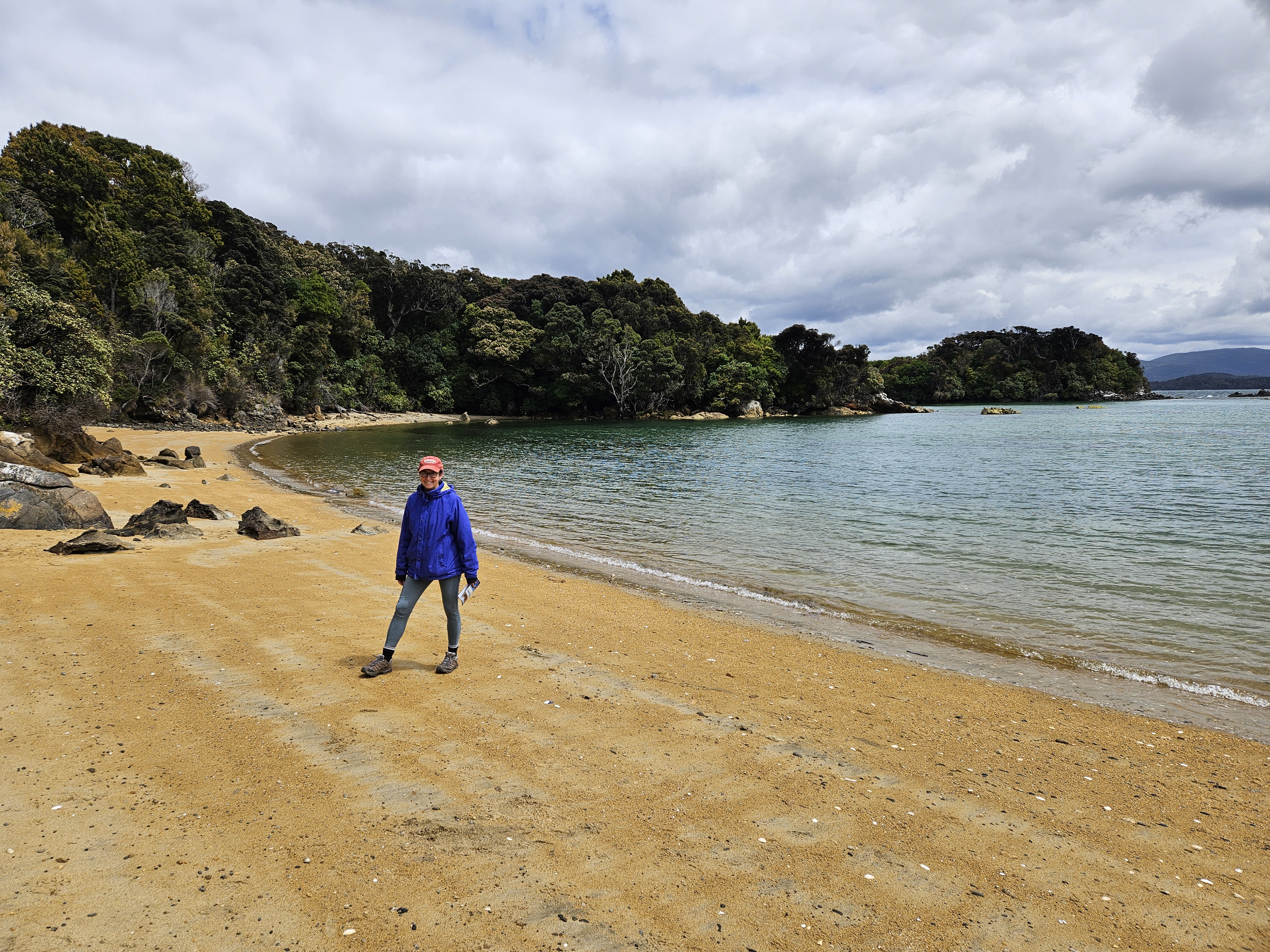
Birds are noticeably more abundant on Te Wharawhara compared to Rakiura (Stewart Island), thanks to a concerted effort to keep the smaller island free of predators, especially rats. Over our three-day Great Walk from Oban to the Port William / Potirepo Hut, the North Arm Hut, and back, we saw and heard many fewer birds than in our two-hour stroll around Te Wharawhara. Fellow hikers on Rakiura saw cats and deer; we saw what looked like opossum scat. All these mammals compete for resources with the native fauna and devastate some native flora, reducing the diversity and productivity of the entire ecosystem.
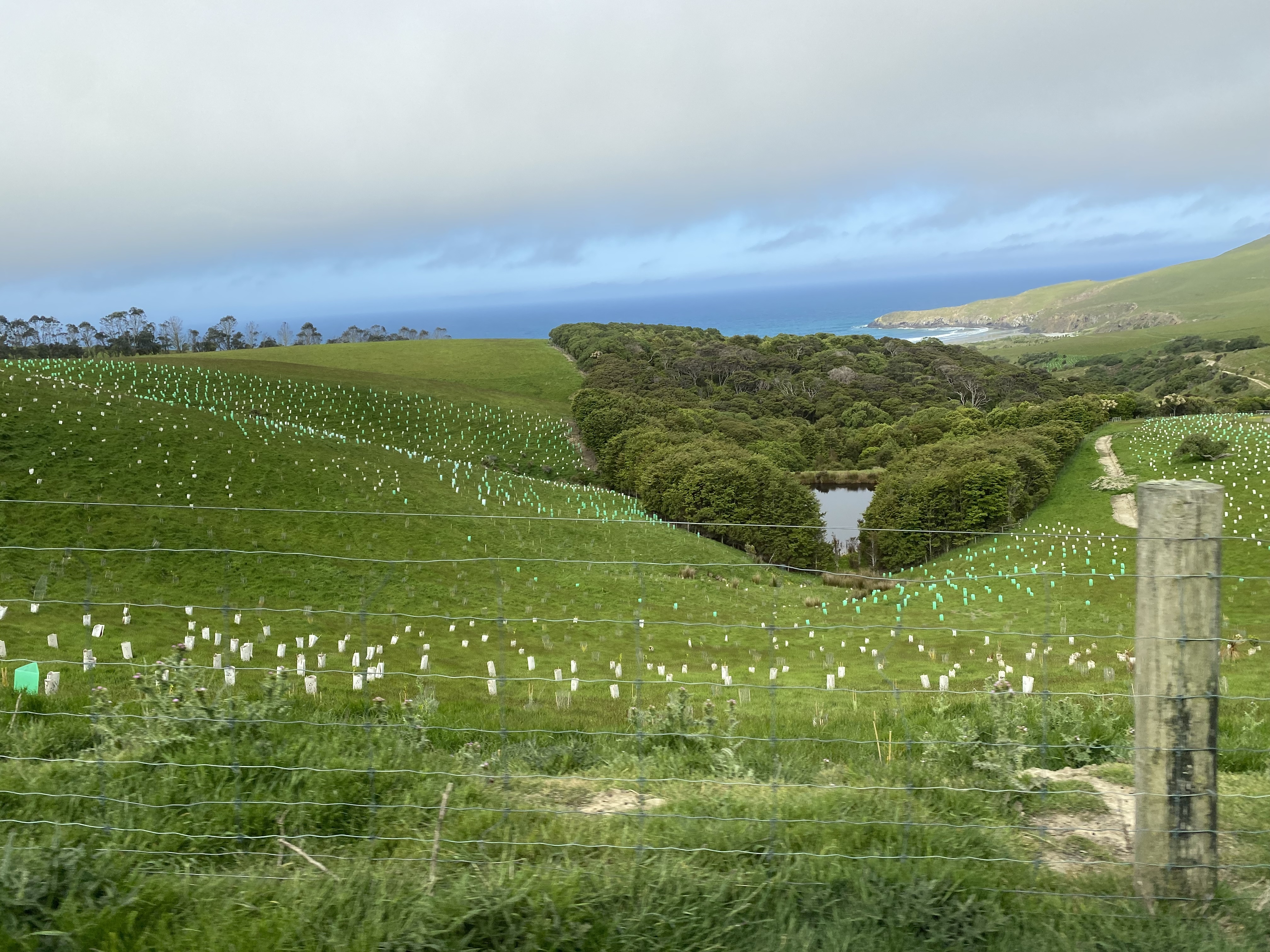
We observed a similar phenomenon on the Otago Peninsula—where the difference between disturbed and preserved habitat is starker. There, the Otago Peninsula Eco Restoration Alliance (OPERA) is working to replant native vegetation that had been cleared for a sheep farm. Allowing native vegetation to return can help many species recover, including the rare yellow-eyed penguins that nest on the beaches here.
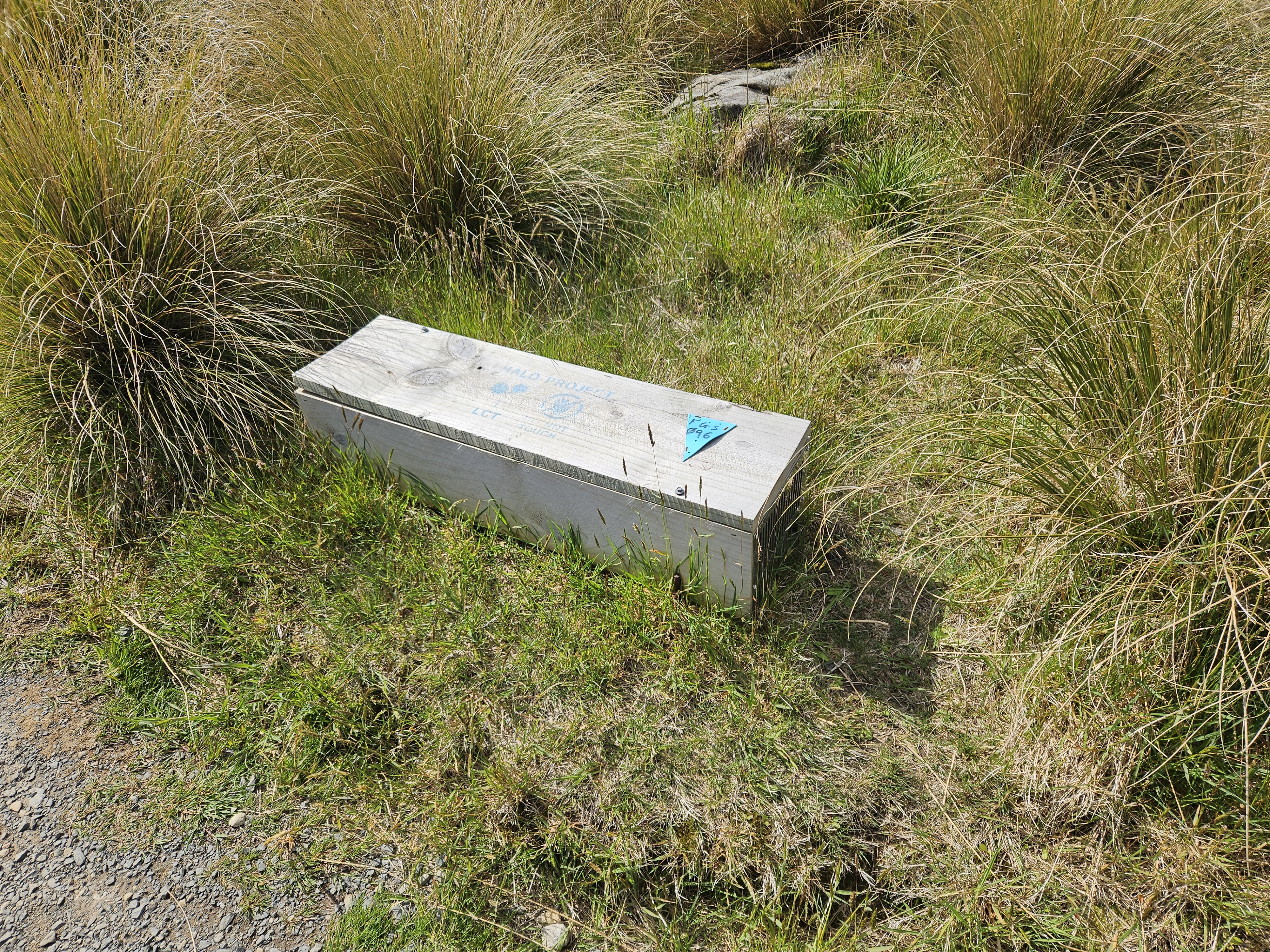
Thanks to the success of places like Te Wharawhara in extirpating rats—and the setbacks when more rats swim the 800 meters from Rakiura to re-invade the tiny sanctuary—the New Zealand government has launched a bold plan to help native species thrive by eradicating rats, stoats, and possum from the entire country. Along every hiking trail in the Southland, we’ve noticed bait traps, many of them with poison inside, part of the Predator Free 2050 plan of attack.
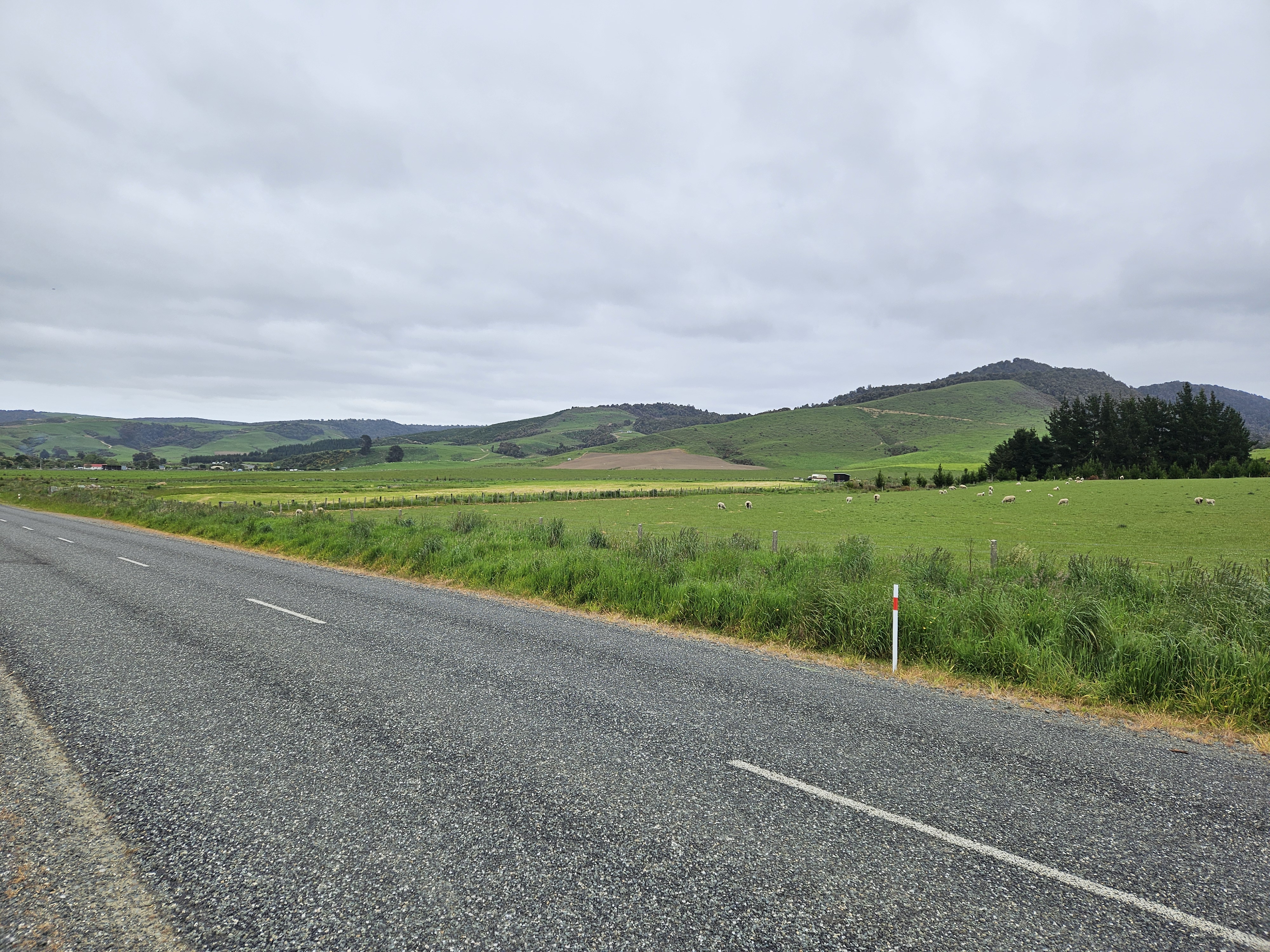
Taking a bigger-picture view of how New Zealand can protect native species and help natural systems return to higher levels of productivity that sustain a wider diversity of plant and animal species, farming and forestry practices will play a critical role. I wasn’t surprised to see vast fields of sheep, an introduced species, but I was surprised to learn that New Zealand’s tree plantation “forests” are about 90% Monterey pine and 6% Douglas fir, two non-native species from North America. According to the Ministry for the Environment, of the total land area in New Zealand, about half is used for agriculture: 40% is “exotic grassland (land covered with non-native grasses used for pasture including dairy and sheep and beef farming),” 8% is “exotic forest (land covered by non-native forest including forestry),” and 2% is all other crops.
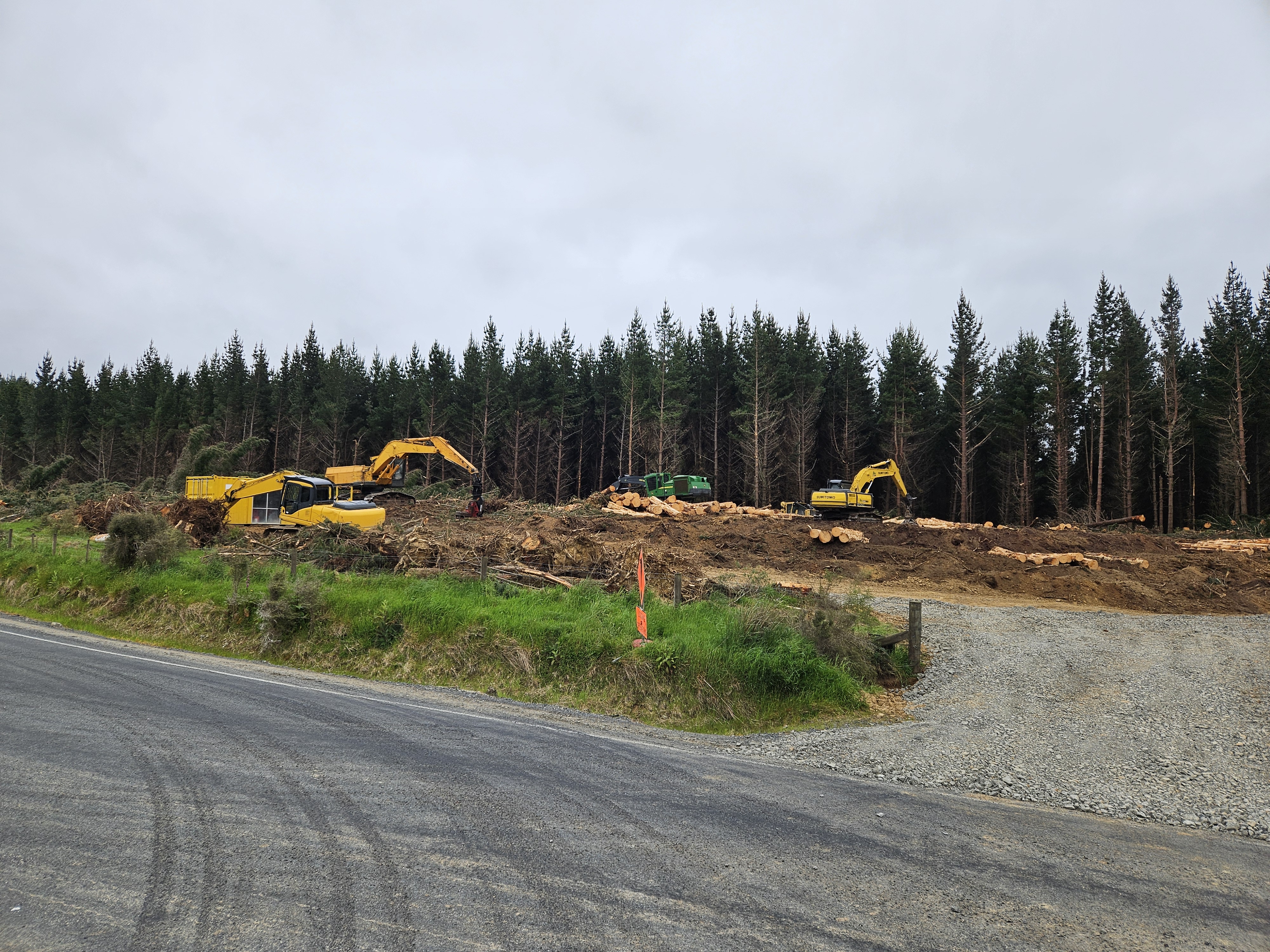
We can learn from the challenges the island nation of New Zealand faces in its effort to protect and improve the habitat for its native species. On a smaller scale, our own yards can be sanctuary islands surrounded by a sea of pavement and species-poor lawns. While Aotearoa may be eliminating rats, stoats, and possums to protect its birds, we may be vigilant against neighborhood cats to protect our native birds. While Southland sheep farmers may be destroying forests to provide pasture, we might be doing the same by mowing our lawns. We can choose a more sustainable path by planting native trees and bushes and practicing permaculture for our gardens.
If you’re interested in improving the habitat in your own little part of the world, here are a few resources:
Portland Audubon & Columbia Land Trust Backyard Habitat
Certification ProgramAudubon Society of Northern Virginia Wildlife Sanctuary Program
Georgia Native Plant Society Native Plant Habitat Certification
References and Additional Reading
Ōtepoti (Dunedin), New Zealand
Ulva Island / Te Wharawhara, Department of Conservation
Stewart Island / Rakiura, Department of Conservation
DOC consults on plans to deal with Ulva Island rat invasion, Department of Conservation
Great Walks of New Zealand, 100% Pure New Zealand
Otago Peninsula area, Department of Conservation
Predator Free 2050, Department of Conservation
About New Zealand's forests, Ministry for Primary Industries
Our Land 2021 | Chapter 3: Our activities and their effects, Ministry for the Environment
How Permaculture Works and Where to Start, Mossy Earth