Can we sustain our trains?
45% of Americans have no access to public transportation.
Bicycles are best for sustainability, but when pedaling is a problem, a good option is public transit—where it exists. Unfortunately, almost half of the North American population cannot take a public bus, trolley, or train. What can we do about that?
Here’s a “sustainable seven” list of practical steps we can take for public transit:
Learn why the United States and Canada don’t (and won’t) have the high-speed trains that Europe and East Asia have.
Understand ride-hailing networks—and how they affect public transit.
Study the transit systems of cities before you go.
Ride electric trains or subways whenever possible.
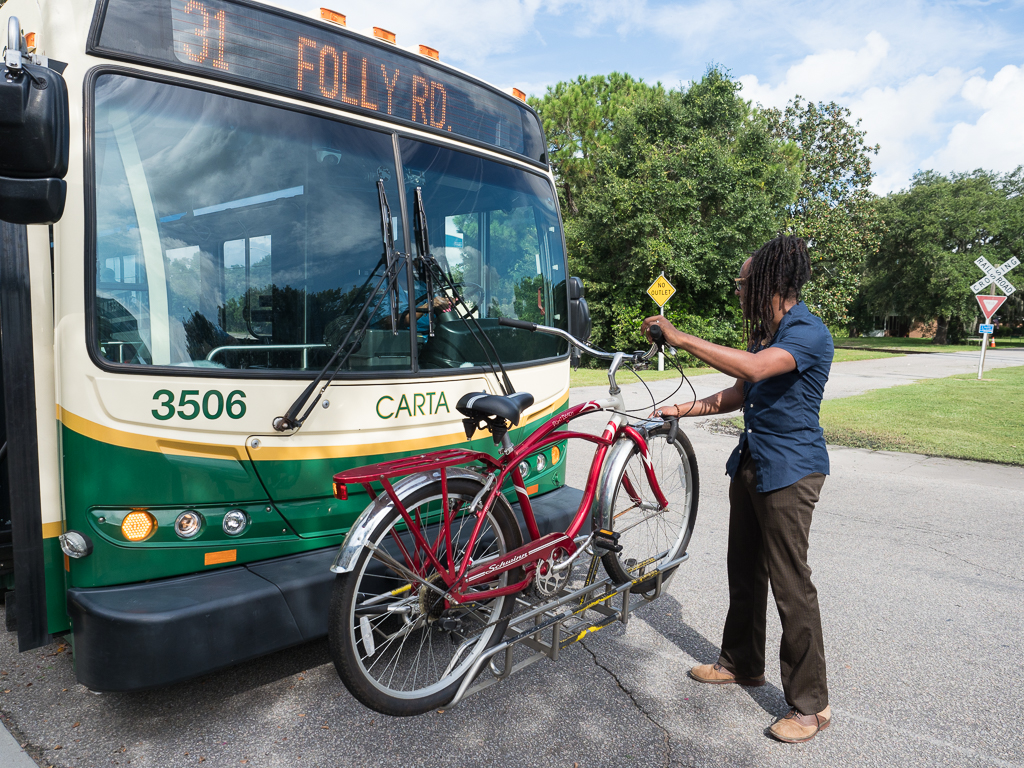
Bring along a bicycle if you can, to make public transit work better for you.
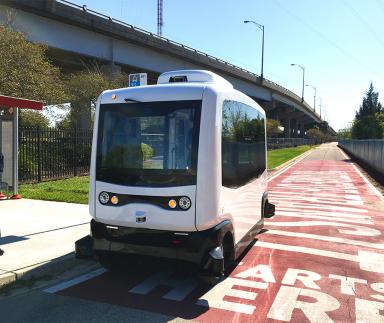
Plan for autonomous electric vehicles to replace buses.
Support public transit by voting for bond issues and buying bonds.
Weekly Poll: Public Transit Taker?
You Can’t Get There From Here
Ironically, while I was researching, the US Department of Transportation website kept reporting: “This site can’t be reached.” That sums up passenger train service in the United States. We built highways instead of high-speed rail, but what if we could do things differently?
First, trains could save energy. Using one gallon of fuel, trains can move 2,000 pounds of freight 520 miles, way more than trucks. Shell’s super-efficient Starship truck got to 178 miles—“a spectacular 2.48 times improvement” over a typical diesel truck. Why are trains more efficient?
Modern trains are electric (some burn diesel to generate their electricity).
Steel wheels on steel rails have less rolling resistance than rubber tires on asphalt.
Train cars closely follow the lead car, reducing overall wind resistance.
Railways avoid steep inclines and declines, so less energy is wasted climbing hills.
Second, trains could save time. Downtown Los Angeles to San Francisco takes seven hours to drive or five hours to fly but might only take three hours by train.
Why aren’t we building a high-speed passenger train system for North America (except the $128 billion line from Los Angeles to San Francisco)? The short answer: we spent our money on interstate highways. Each state owns the highways within its borders, but not the train tracks, which mostly remain privately owned and used for freight. Public infrastructure budgets are stretched thin paying for roads and bridges that cars and trucks can use.
Hop In. Where To?
Uber and Lyft have changed the way people move around. We can hail a ride in 10,000 cities across 71 countries—and pay the fare without cash. A 2022 study found that 19% of adults reported using ride-hailing in the last month, compared to 16% who had ridden a bus and 10% who had ridden a subway or commuter train.
More than a third of 18- to 29-year-olds had used ride-hailing services, while only 4 percent of those 65 and older had. … Recent research on New York City finds that travel has shifted away from public transit towards ride-hailing. [There] is mounting evidence that ride-hailing is pulling more people away from public transit than towards it.
—Disruptive Transportation: The Adoption, Utilization, and Impacts of Ride-Hailing in the United States
Ride-hailing could be price competitive with public transit in the 2030s. With careful planning, ride-hailing could become a privately-owned way to provide public transit.
How Do We Get To…?
Today, buses and subways are more sustainable than an Uber, especially if we are
traveling alone or with one other person,
in a core urban area, and
during rush hours.
With a public transit app like Moovit, Transit, Citymapper, or Whiz and online maps like Google Maps, we can check our public options before summoning a private car. Planning a trip before we start makes it more likely we’ll take public transit.
Ride Electric (Where Available)
Although in America we can’t ride high-speed passenger rail, we can ride low-speed electric commuter rail, including:
San Francisco BART (third rail, 1,000 V DC)
Atlanta’s MARTA (third rail and overhead, 750 V DC)
“Third rail” in the specifications mean that a third rail in the the tracks supplies power, rather than an overhead catenary electric line like electric trolleys use. Our electric rail systems have not standardized on one voltage of direct current (DC) power; each one is engineered separately. The lack of a national standard for electric rail system raises costs, since train cars built for one system can’t be used by another.
Bike On, Bike Off
With a bike, we can use public transit even if we don’t live on a bus line.
Better Buses
We can encourage public transit systems to buy electric buses, support autonomous electric bus pilot projects, and start planning for the day smaller autonomous vehicles powered by clean energy can pick us up and take us exactly when and where we want to go. One company, Tesla, has sold almost two million electric vehicles, many of which may become part of a fleet of robotaxis. If electric robotaxis arrive, what are the sustainability benefits of operating an aging fleet of big buses burning fossil fuel?
Public Taxes for Public Benefit
Although in technical economic terms, public transit is not a public good, it does provide public benefits so public funding is appropriate. Most public transit systems can’t cover their costs with fare revenue. Taxes make up the difference.
We can think critically about which transportation options we want to have, then vote for bond issues and buy issued bonds to provide the capital that beneficial public transit systems need to survive and grow.
What’s Still Ahead on the Pathway…
Now that we’ve explored the full pathway to sustainable movement, we’ll start on the related pathway to sustainable energy. As we stop burning fossil fuel to move, what energy sources are we using instead? Stay with us on the journey to sustainability as we take action to have a positive impact on the world.
References and Further Reading
Public Transportation Facts, American Public Transportation Association
Why Doesn’t The US Have High Speed Rail?, Sustainable America
The High‐Speed Rail Money Sink: Why the United States Should Not Spend Trillions on Obsolete Technology, Cato Institute
High-Speed Trains, Eurail
Fact Sheet | High Speed Rail Development Worldwide, Environmental and Energy Study Institute
The Interstate Highway System, History (A&E Television Networks)
What Is High Speed Rail?, High Speed Rail Alliance
How railroads design grades and curves, trains.com
Rolling resistance, Wikipedia
Why Trains?, BayRail Alliance
Electrical Equipment for Railcars, Fuji Electric
How Diesel Locomotives Work, HowStuffWorks
Fuel Efficiency, CSX
Time Savings With High Speed Rail, US High Speed Rail Association
New cost estimate for high-speed rail puts California bullet train $100 billion in the red, Cal Matters
National Interstate and Defense Highways Act (1956), National Archives
Interstate Frequently Asked Questions, US Department of Transportation Federal Highway Administration
Uber Statistics 2023: How Many People Ride with Uber?, Backlinko
Ride-Hailing Usage Dips as Costs Impact Personal Mobility, Morning Consult
Disruptive Transportation: The Adoption, Utilization, and Impacts of Ride-Hailing in the United States, Transfers Magazine
The road to affordable autonomous mobility, McKinsey & Company
Electric Bus Market Size to Reach $439.7 Billion by 2031, Allied Market Research
Autonomous buses in public transport, a driverless future ahead? Pilots are multiplying, Sustainable Bus
Electric robotaxis may not be the climate solution we were led to believe, The Verge
Transit Fares Only Partially Cover Public Transportation Costs, Government Technology